The Art Of Deco Perfumery, From Chanel No 5 To Clive Christian

Art Deco Perfumery - Guerlain Shalimar

With all that’s going on in our world, no doubt 2025 will be one for the history books. We live in turbulent and nasty times, so it’s with a measure of relief that I’m able to focus on something that almost seems frivolous: the centenary of Art Deco and, more specifically, Art Deco perfumery.

Art Deco Perfumery - Guerlain Shalimar

I’ve also included some visual examples of Art Deco architecture in Johannesburg. South Africa adopted the style enthusiastically and although many buildings have been lost over the years due to the pressures of progress and urban decline, there’s still plenty to admire.

Art Deco JHB - London House
London House (1936) in the Johannesburg CBD.
CHARACTERISTICS OF ART DECO

Although it had already been gathering momentum for several years, the Exposition Internationale des Arts Décoratifs et Industriels Modernes in Paris in 1925 is officially regarded as the global launch of the style.

So what is Art Deco? Let’s use these definitions from Britannica and Sotheby’s, respectively, as starting points:

Art Deco JHB - Aegis
Aegis building (1934) in the Johannesburg CBD.

“Art Deco was a design style of the 1920s and ’30s characterised especially by sleek geometric or stylised forms and by the use of manufactured materials.”

“The visual embodiment of modernist principles, Art Deco celebrated the triumph of technology and the sleek, liberating forms of the machine age, its emphasis on structure responding to a widespread desire for order in the wake of chaos.”

Art Deco JHB - Aegis Blue Plaque

It is most often associated with architecture and Miami, but Art Deco was expressed in numerous ways, from fashion and design to jewellery and art, with many countries having their own variations on the theme. It’s for this reason that it’s often called “the first international style”.

Art Deco JHB - High Court Building
High Court Building (1932) in the Johannesburg CBD.

More than a style, though, Art Deco encompassed a state of mind. With its love of modernity and progress, it’s synonymous with the optimism, glamour and Flapper liberation of the Roaring Twenties. A time of faith in change and all that technology would bring. How different things feel today…

For all its modernity, however, Art Deco was the ultimate cultural appropriater and drew on numerous and diverse influences, including Ancient Egypt and African art.

Art Deco JHB - His Majesty's Building
His Majesty’s Building (1945) in the Johannesburg CBD.
ART DECO AND PERFUMERY

You can’t talk about Art Deco and perfumery without mentioning Lalique and Baccarat bottles. The examples I’ve included below are more easily accessible and won’t entail selling your granny.

CHANEL NO 5 (ERNEST BEAUX)

Launched in 1921,  Chanel No 5 was “conspicuously absent” at the 1925 Expo, according to Tilar J Mazzeo in her book The Secret of No 5, whereas Guerlain Shalimar (see below) made the most of it.

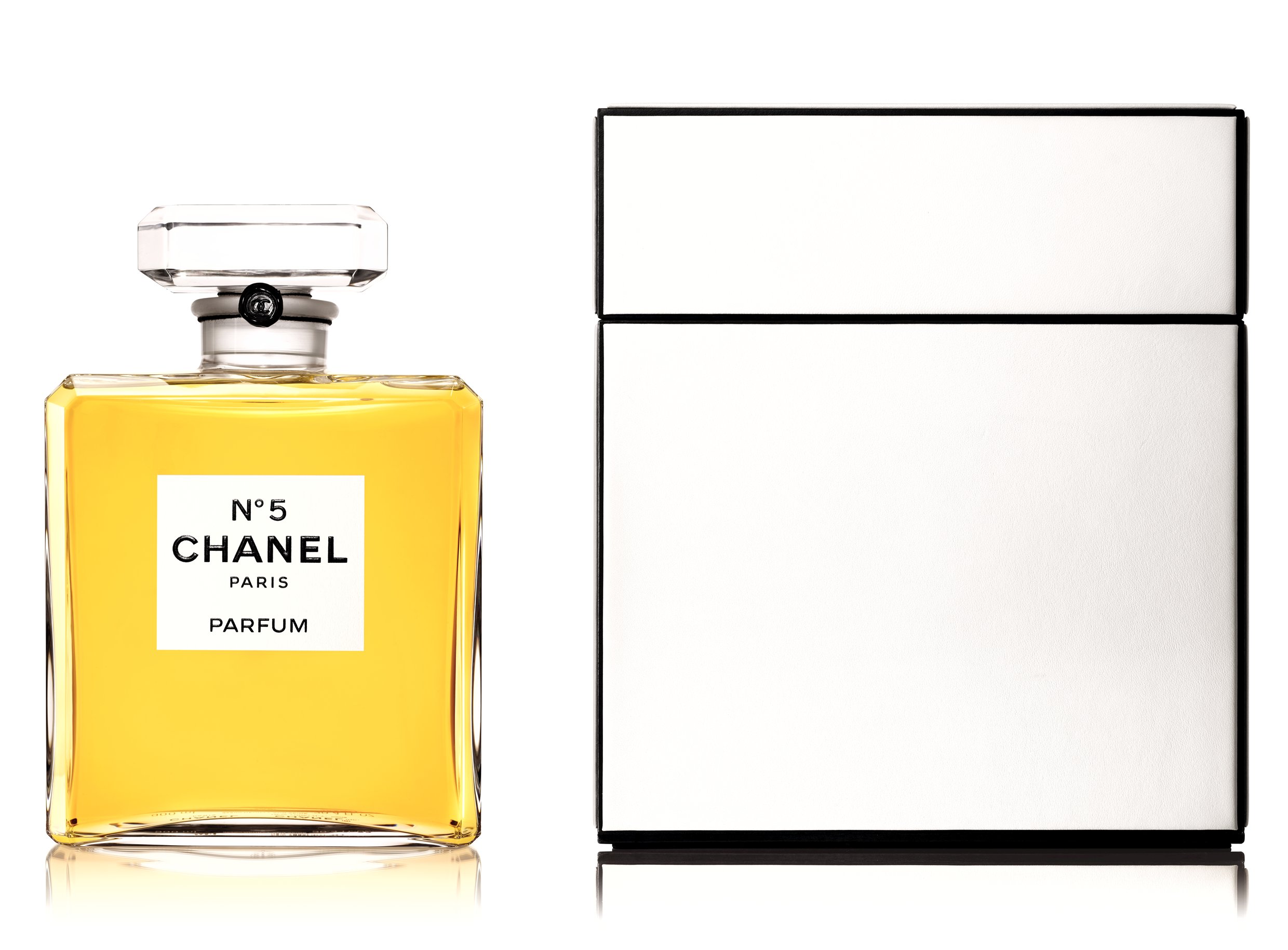
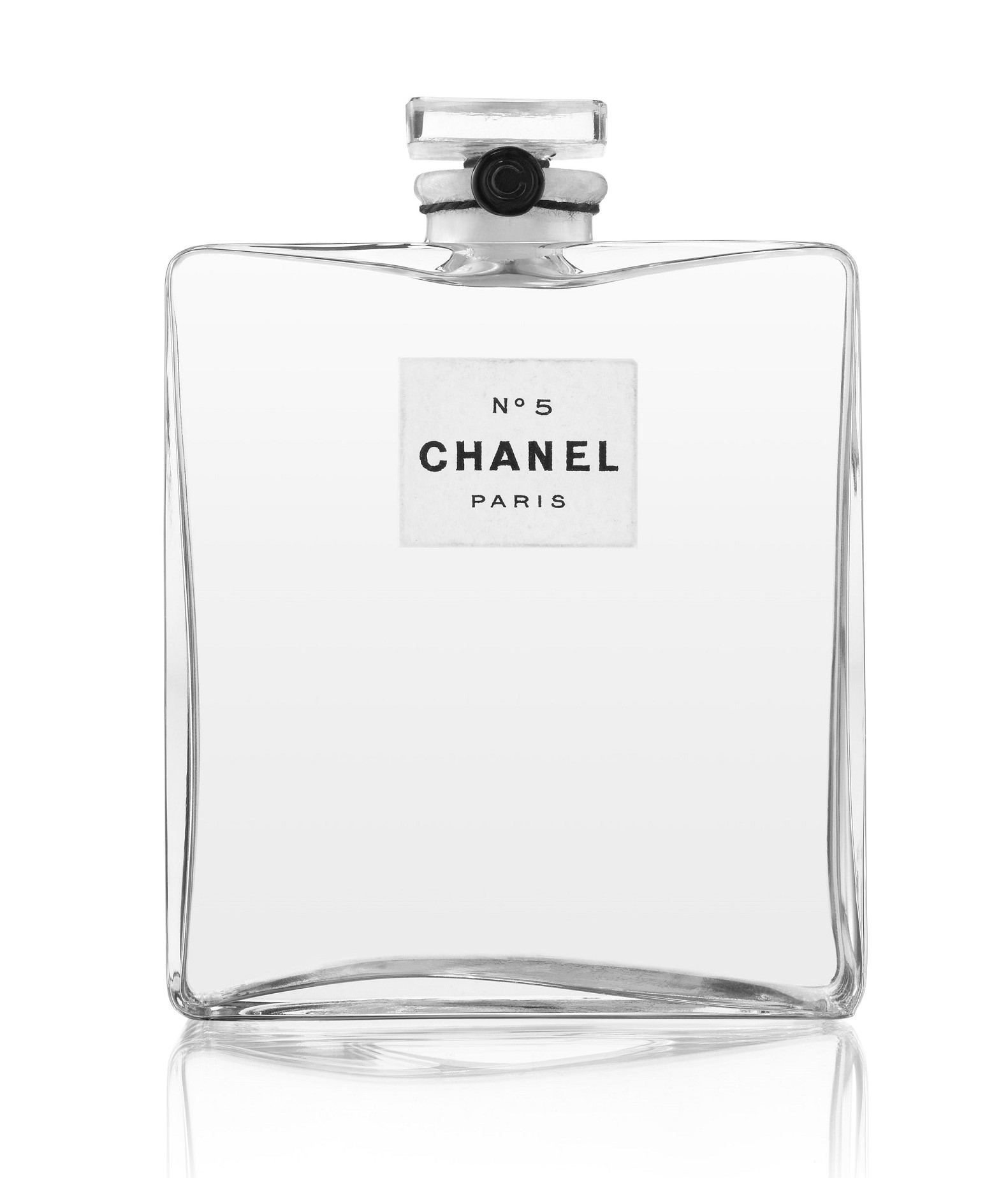
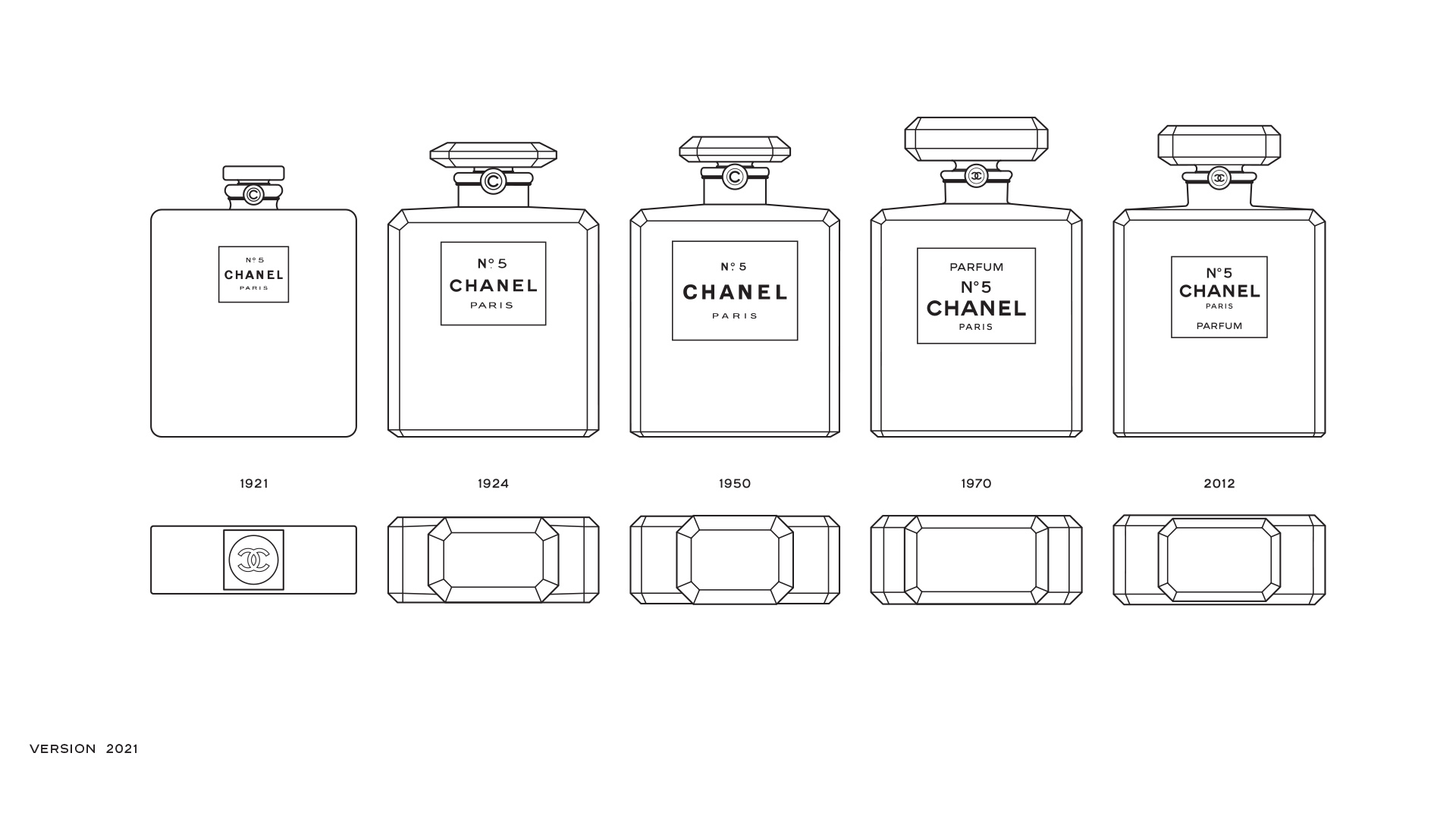
Nevertheless, the bottle (modified over the decades) displays the clean, geometric lines of Art Deco. And perfumer Ernest Beaux’s use of aldehydes was perfectly in tune with the innovative spirit of the age.

Art Deco Perfumery - Chanel No 5

GUERLAIN SHALIMAR (JACQUES GUERLAIN)

It’s not news that the icon celebrates its century in production in 2025. What’s perhaps less known is that perfumer Jacques Guerlain’s brother Raymond Guerlain’s design for the Shalimar bottle bagged a first prize at the Paris Exhibition. (FYI: Raymond Guerlain’s design for the equally iconic 1912 L’Heure Bleue bottle has the curves of Art Nouveau.)

To celebrate the centenary of the OG, the recently released Guerlain Shalimar L’Essence has been given Art Deco-influenced typography.

Guerlain Shalimar L'Essence EDP
IMAGE: Guerlain.
ACQUA DI PARMA COLONIA

What we now recognise as the ADP bottle has Art Deco written all over it. From what I can glean off the Net (AI not much use, ha!), it seems the bottle took on the style in the 1930s (the fragrance was originally launched in 1916) and is now used across the Colonia, Blu Mediterraneo and Signatures of the Sun collections.

Its design remains as timeless and elegant as the scents it houses.

Art Deco Perfumery - Acqua di Parma Osmanthus EDP

ELIZABETH TAYLOR PASSION EDP

An avid Art Deco collector whose love of jewellery contributed to her legendary status, the style is clearly visible in bottle for this 1988 release, Elizabeth Taylor Passion EDT.

Art Deco Perfumery - Elizabeth Taylor Passion EDT

Before you grown “Ugh, celebrity fragrances!”, let me interject: it’s complex stuff that makes a statement with its retro animalics.

The bottle for Elizabeth Taylor Black Pearls also has the style in abundance. And Ms Taylor was always about abundance.

Elizabeth Taylor Black Pearls
IMAGE: Makeup Alley.
CLIVE CHRISTIAN ART DECO COLLECTION*

In more recent years, some fragrance brands have taken inspiration from the style and its opulent and decadent streak. A fitting example is the British brand Clive Christian’s Art Deco Collection.

It’s eye-wateringly expensive (Clive Christian always is), so best get into Roaring Twenties mode and who cares about the upcoming financial crash of the Great Depression. At least, you’ll smell fabulous with Clive Christian Blonde Amber, Amberwood and the 2018 release Cypress (featured here).

Art Deco Perfumery - Clive Christian Noble XXI Cypress

GIVE ME NAMES

Without being a name-dropping bore, a quick list below of people and companies who were integral to Art Deco:

Art: Tamara de Lempicka, Erté.

Furniture:  Émile-Jacques Ruhlmann, Maurice Dufrêne.

Fashion: Paul Poiret, Jeanne Lanvin, Elsa Schiaparelli.

Jewellery: Fouquet, Cartier, Van Cleef & Arpels.

Architecture: Auguste Perret, Raymond Hood.

Radiator Building
American Gothic meets Art Deco in Raymond Hood’s Radiator Building (1924) in NYC. IMAGE: Architectuul.

*Available at Skins.

CHANEL NO 5 CENTENARY: THE JUICE ON AN ICON

Chanel No 5 Centenary

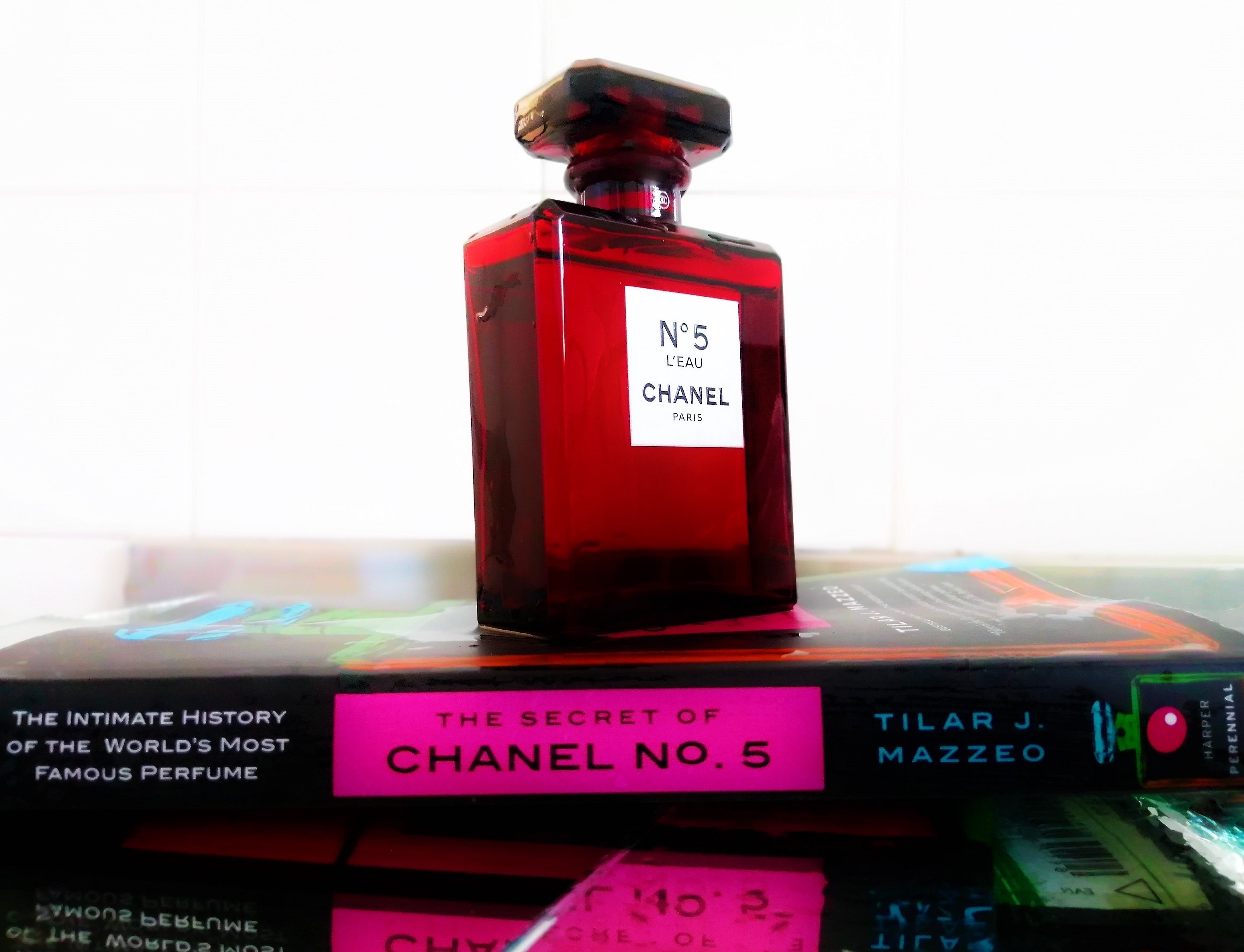
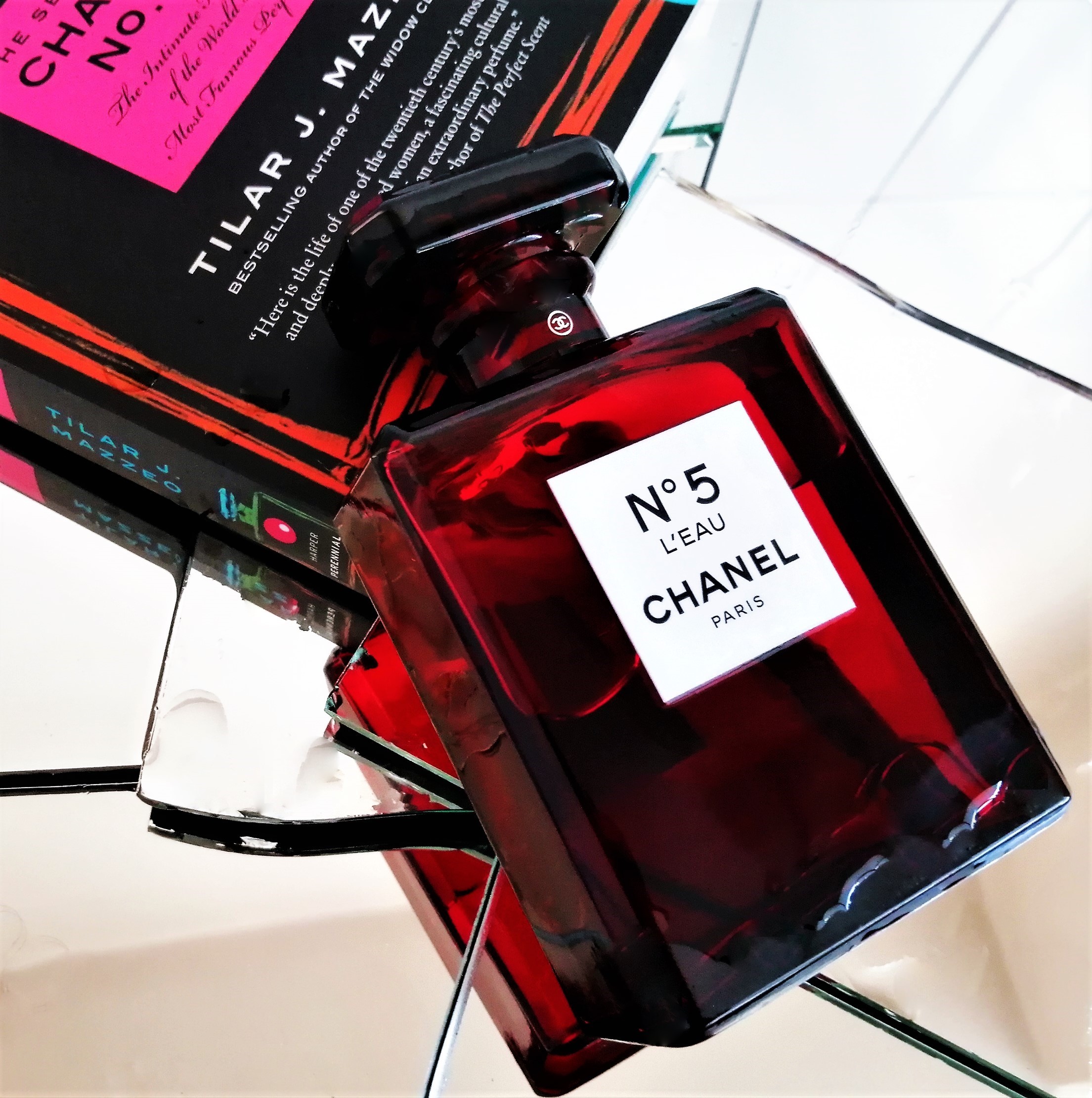
When a perfume turns 100 years old, you can bet it has a story to tell. And it doesn’t get more convoluted and juicier than Chanel No 5. While The Secret of Chanel No. 5: The Intimate History of the World’s Most Famous Perfume by Tilar J Mazzeo (Harper Perennial) was published in 2010, it contains many well-researched insights as we celebrate the Chanel No 5 centenary.

Chanel No 5 Centenary

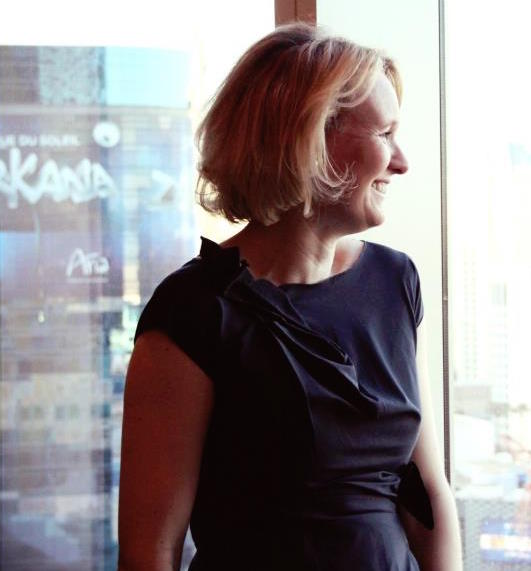
A cultural historian and wine writer, Mazzeo is the author of books such as The Widow Clicquot (HarperCollins) and Back Lane Wineries of Sonoma, Second Edition (Penguin Random House).

As Mazzeo states in the book’s preface, “Much of what is told and retold about its transformation into an international byword for luxury is the stuff of half-truths, confusion, collective fantasy and sheer invention. Sometimes, the truth that those legends obscure is more fantastic than any fiction.”

Starting with Gabrielle Chanel’s childhood in an orphanage, The Secret of Chanel No. 5 is a must-read for anyone wanting to know more about “le monstre” (the monster), as the perfume is known in the industry.

Chanel No 5 Centenary
Chanel No 5 Centenary image courtesy of Chanel.
AU CONTRAIRE

I don’t want to give away too many of the secrets revealed and the myths debunked by Mazzeo, but for those who want a teaser here goes…

Chanel No 5 was not the first fragrance to make use of aldehydes (that distinction belongs to L.T. Piver Rêve d’Or). But it is certainly the most well-known, with its liberal use of these synthetics by Russian-born perfumer Ernest Beaux when he created Chanel’s debut scent.

Neither was it the first designer fragrance. Parisian couturier Paul Poiret got there first with Parfums de Rosine Nuit Persane in 1911.

The formula for Chanel No 5 wasn’t stolen from the laboratory of a company owned by her friend and rival François Coty.

Although the designer had a thing for the number five and named her debut fragrance after it, Chanel No 5 wasn’t officially released on May 5, 1921, the fifth day of the fifth month. It appeared quietly on the shelves of her boutiques but was hugely popular from the outset.

Chanel No 5 Centenary
Chanel No 5 Centenary image courtesy of Chanel.

In fact, because of the demand, in 1924, in return for their manufacturing, distribution and marketing expertise, Coco Chanel signed away the majority control (70%) of the perfume side of her business to the Wertheim brothers, Pierre and Paul, who owned the perfume company Bourjois.

Chanel No 5 Centenary
ICONIC SHAPE: The evolution of the design of the bottle over the decades. Chanel No 5 Centenary image courtesy of Chanel.

The formation of Les Parfums Chanel meant she would receive 10% of the profits. With the perfume’s considerable profitability, however, she later came to regret this business decision, which helps explain the dubious legal action against her Jewish investors during the Second World War when the Nazis occupied Paris (see interview below).

Despite all the dirty dealings and numerous law cases, the contract was renegotiated in 1947, whereby in exchange for $350 000, 10% of the profits and 2% of the perfume sales worldwide, she would stop using the number five in any of her marketing.

“Pierre Wertheimer agreed to fund the reopening of her fashion house and pay all her bills (including her rent at the Ritz Hotel.”

Later, in the 1950s, Pierre Wertheimer agreed to fund the reopening of her fashion house and pay all her bills (including her rent at the Ritz Hotel in Paris). But the Wertheimer family would own the rights to the fragrance and fashion businesses. That agreement continues to this day, with Alain and Gérard Wertheimer, Pierre’s grandchildren, running the luxury empire.

Although her partners missed several marketing tricks in the 20s, they showed their business acumen during the war. From their new base in the United States, after escaping from France in 1940, they sent former Guerlain president H. Gregory Thomas on a covert mission to Grasse, France, to source the raw materials needed to produce Chanel No 5. He returned with hundreds of kilos of jasmine and rose concrete.

Chanel No 5 Centenary

INTERVIEW WITH TILAR J MAZZEO

What prompted you to write the book?

I came to the book from the perspective of a wine writer, wondering about the relationship between perfume and wine: both aromatic volatiles in alcohol. What made a great perfume and was it similar to a great wine?

Did you have any preconceptions before you started your research?

The other question of the book for me was: is Chanel No 5 really a great perfume or is it great marketing? I began assuming marketing would be a larger part of the equation.

What were you most surprised to find out in your research?

How disastrous the marketing was in the beginning for this fragrance. For example, they decided to launch Chanel No 5 along with a whole series of other numbered fragrances (Chanel No 2, Chanel No 3). And the ads had all of them in the same bottles. It would have sunk any other fragrance.

Chanel No 5 Centenary
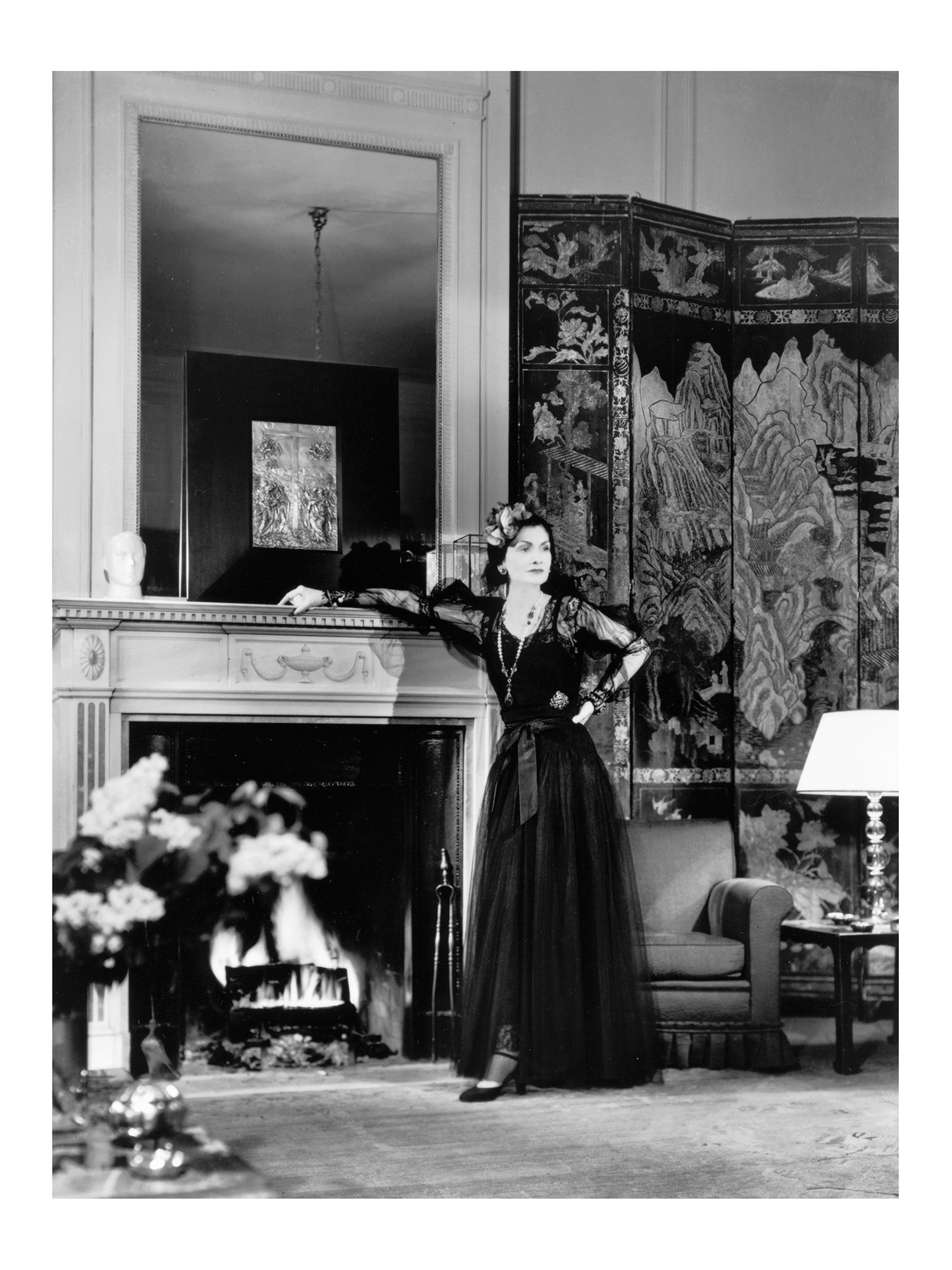
PERFUME POSE: Gabrielle Chanel in a campaign for Chanel No 5, photographed by François Kollar for Harper’s Bazaar, USA, in 1937, in her Ritz Hotel apartment. Chanel No 5 Centenary image courtesy of Chanel.
How much access did the company give you? And what was their response when the book was published?

I did have access to historical documents at Chanel and the jasmine and rose plantations in Grasse. The perfumers at Chanel were also amazingly generous with their time.

I’m not sure about the maison’s view. I think we agreed about the fragrance. In the beginning we probably saw differently Coco Chanel’s World War Two experience, but I suspect we are not really very far apart on that.

Chanel and her German boyfriend [officer Hans Günther von Dincklage] during the war both claimed they were working as double agents for the British with a man named Canaris, and the historical evidence suggests this is probably true.

“The ‘Aryanization’ lawsuit would not be her finest moment. However, there were a lot of not particularly fine moments during the German occupation of France.”

I don’t think Chanel was a Nazi spy. She did definitely have a German boyfriend. She did engage during World War Two in an “Aryanization” lawsuit [unsuccessfully suing for ownership of the company, as it had been abandoned], which would not be her finest moment. However, there were a lot of not particularly fine moments during the German occupation of France.

With Chanel No 5 celebrating its centenary this year, there’s no doubt, more than ever, it’s more than a perfume, it’s a cultural icon. Would you be able to highlight the most important factor that contributed to that status? 

Every perfumer I’ve ever spoken with, including many of Chanel’s competitors, all say one thing: as a work of modernist art expressed in fragrance, Chanel No 5 is a masterpiece. It does something amazing as a scent by balancing its aldehydes with deep florals. There is something of the tightrope act in the fragrance.

Chanel No 5 Centenary
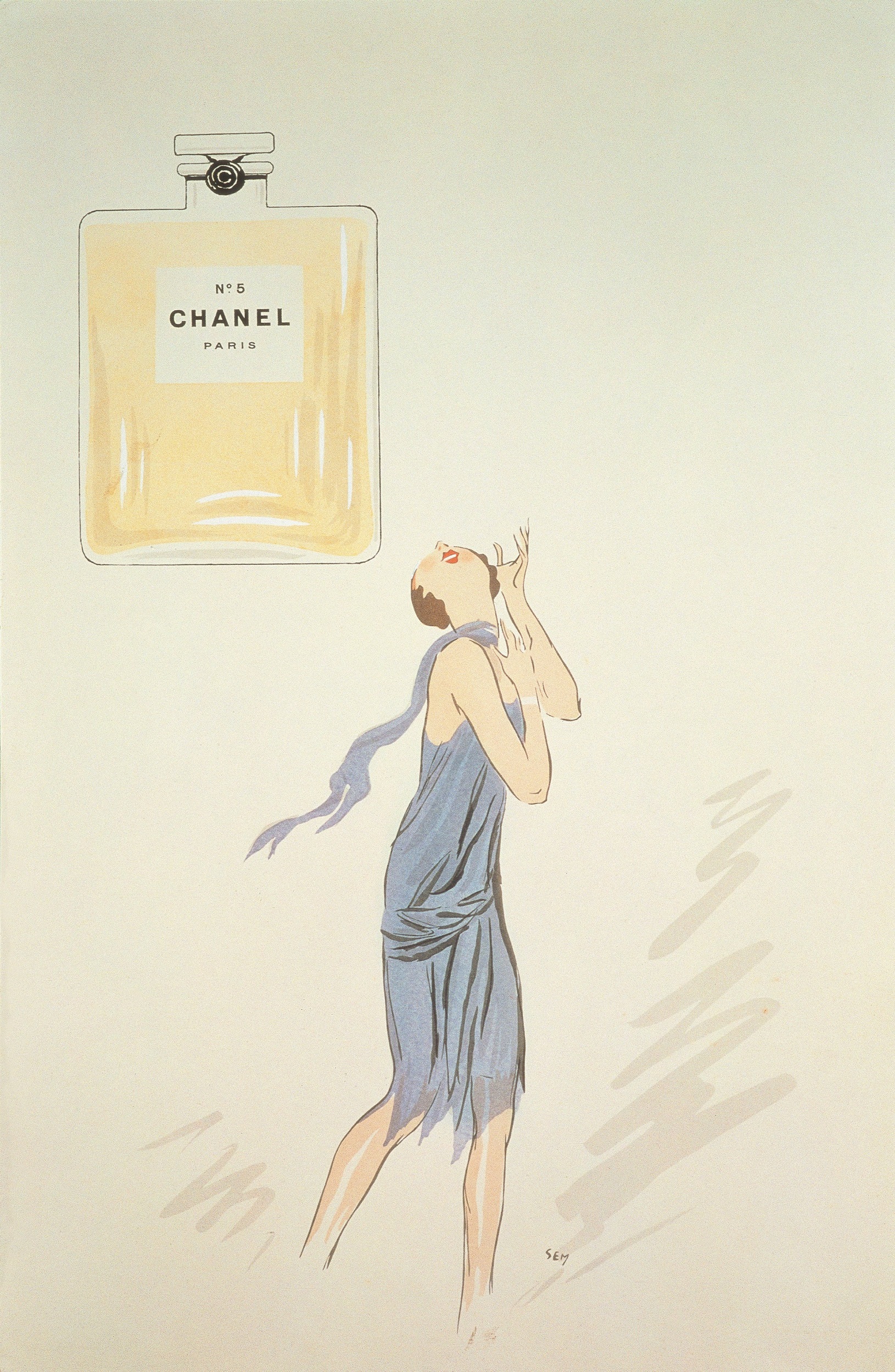
CHARACTER: Cartoonist Sem paid tribute to the success of Chanel No 5 in 1921.
The story of Chanel No 5 is also the story of Coco Chanel. To describe her as complex would be an understatement… 

Indeed. She starts out life as an orphan in a convent, then moves onto being a cabaret showgirl (from there the “Coco” nickname) and the mistress of a series of wealthy men, becomes a celebrated designer very quickly, launches a popular fragrance but almost immediately gives rights over to another company, and spends the next few decades suing her (Jewish) business partners and dating a German during the occupation of Paris.

Your book doesn’t gloss over the more controversial aspects of Coco Chanel’s attempts to regain control of the fragrance business especially during the Nazi occupation of France. Despite this, how has her mystique been maintained?

History is full of men who behaved badly and remained celebrated as artists and geniuses. Picasso, to take a contemporary of Chanel, was a complete cad. Chanel was both an artist and a genius in her metier and as with Picasso, one must divorce her personal character from her art. Her art, both in fashion and fragrance, is breath-taking.

Your book was published in 2010, 11 years before the centenary. What, if anything, would you add to it now?

The fragrance history in the book remains timely and current. The debate about Chanel and the Second World War has intensified since publication in 2010, and I would add to the book now a more expansive context. I am deeply critical of Chanel’s actions during the war in terms of her “Aryanization” legal actions.

However, I don’t think the facts support some of the arguments that were made after my book was published, which castigate her “horizontal collaboration.” I gave that expanded context in the book I wrote after the one on Chanel, which was about the Ritz Hotel in Paris during the occupation [The Hotel on Place Vendôme (HarperCollins)].

Your personal thoughts on Chanel No 5 as a perfume?

I am blind as a bat and cannot carry a tune, but I am blessed or cursed, depending on the circumstances, with an extremely fine nose. It is hard for anyone with that not to admire Chanel No 5 and to love scents. Chanel No 5 is like admiring or not admiring a 1953 Petrus (though with a very different aromatic profile). But some things are qualitatively brilliant. Chanel No 5 and Shalimar are my go-to classic fragrances. Once you appreciate the technical and artistic genius of those perfumes, it’s difficult not to want to spend time with them.

The Secret of Chanel No. 5: The Intimate History of the World’s Most Famous Perfume is available to buy here.