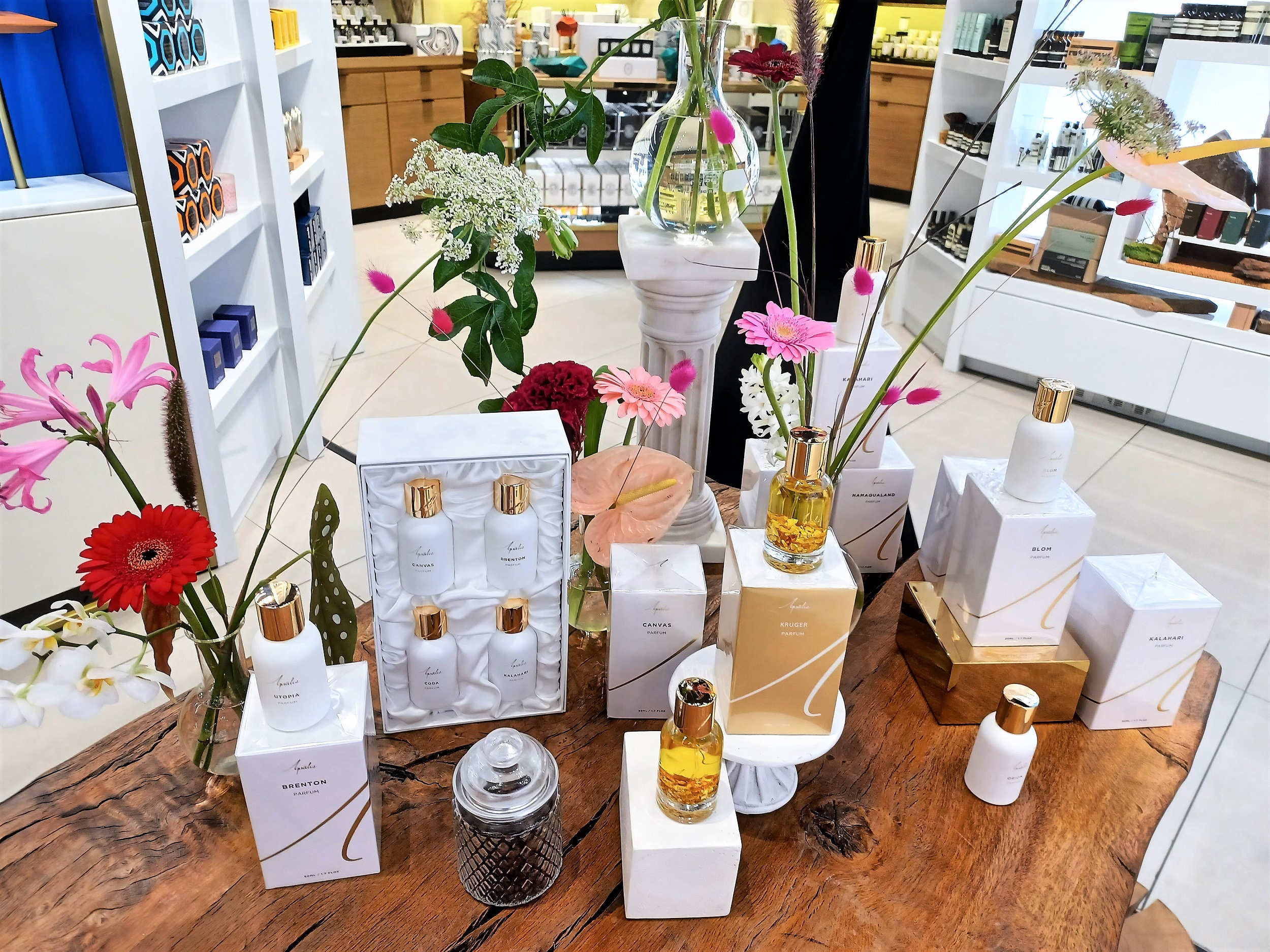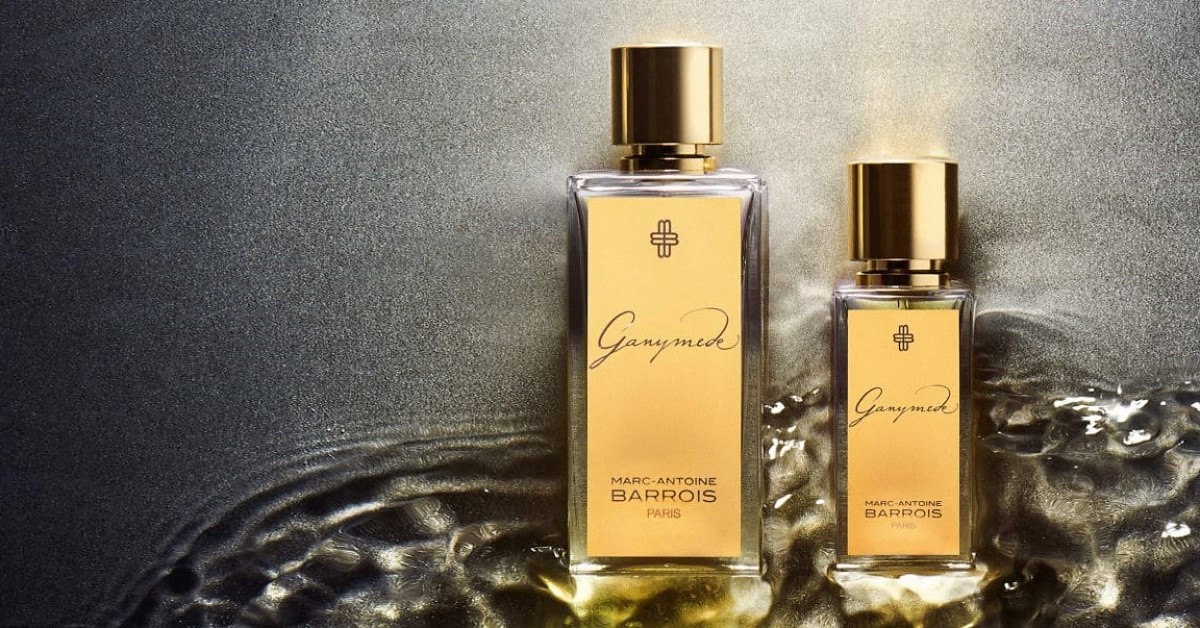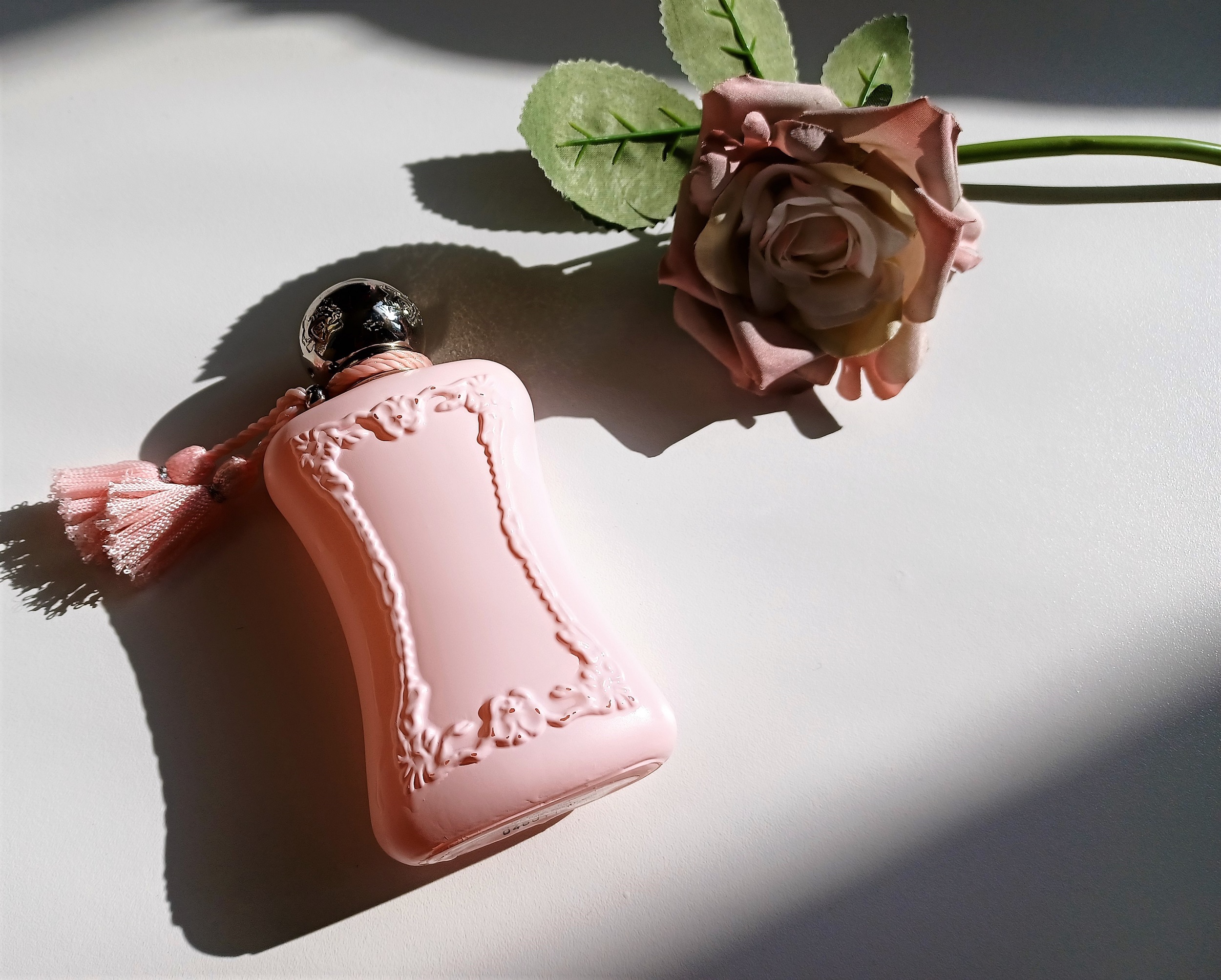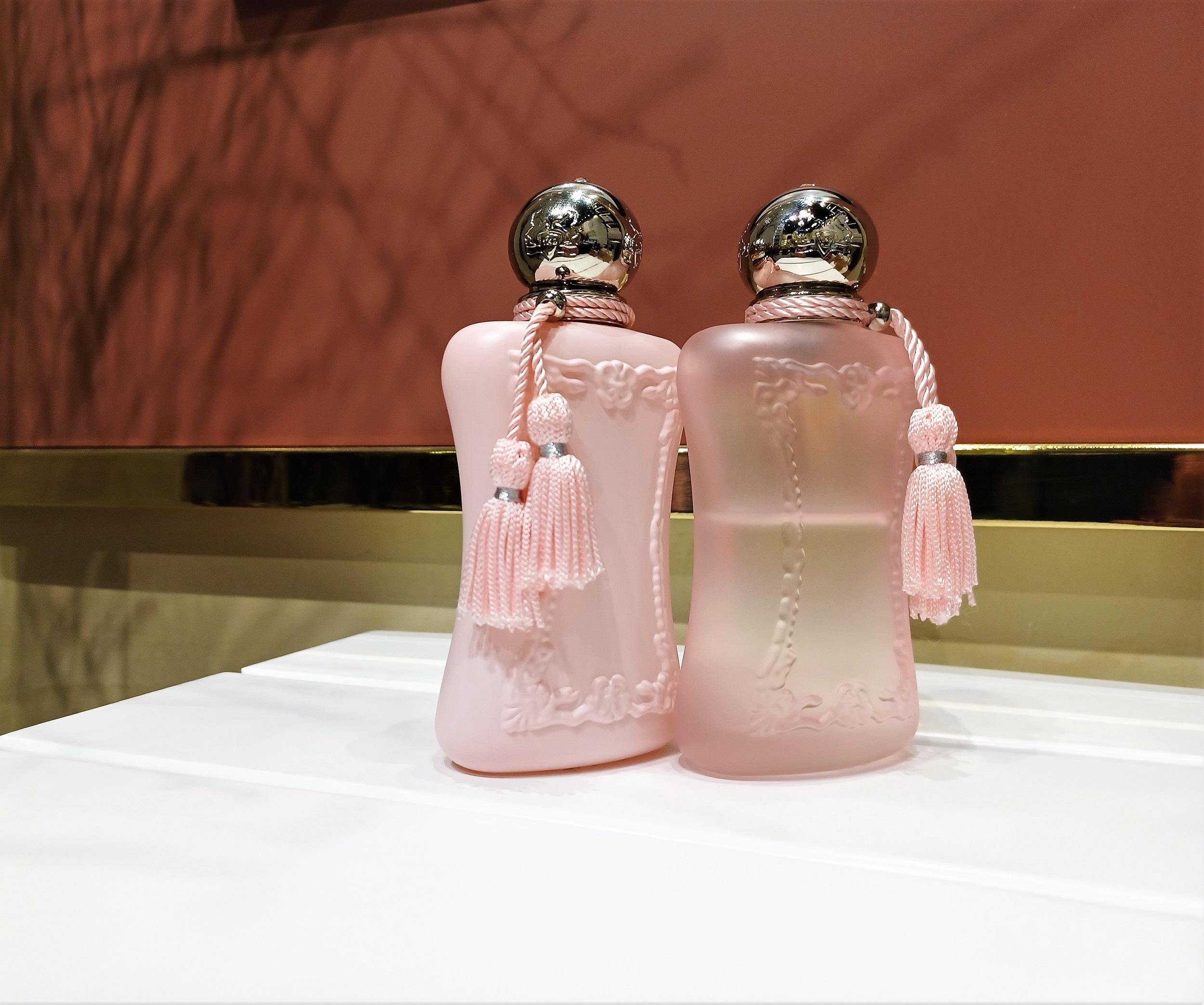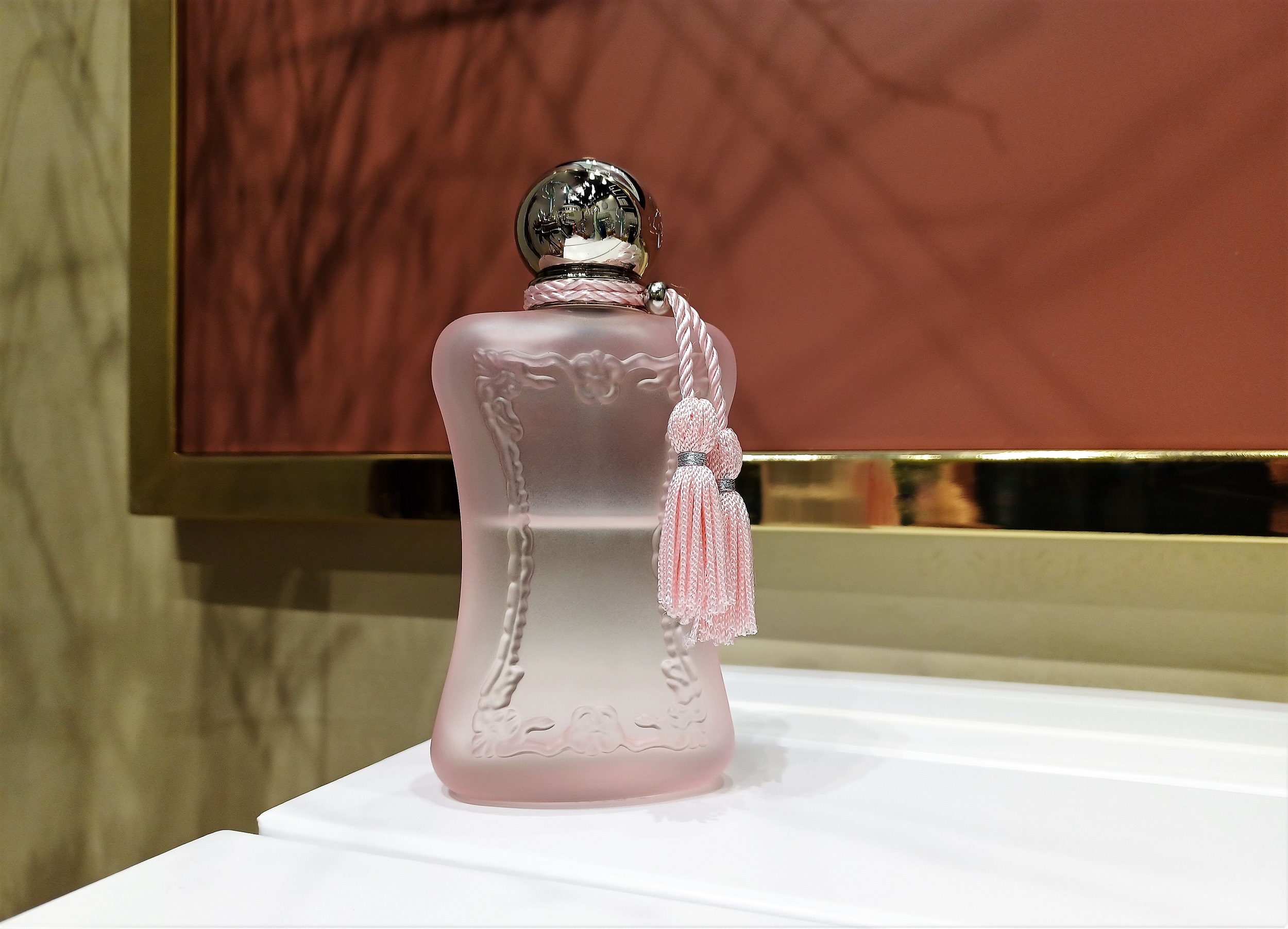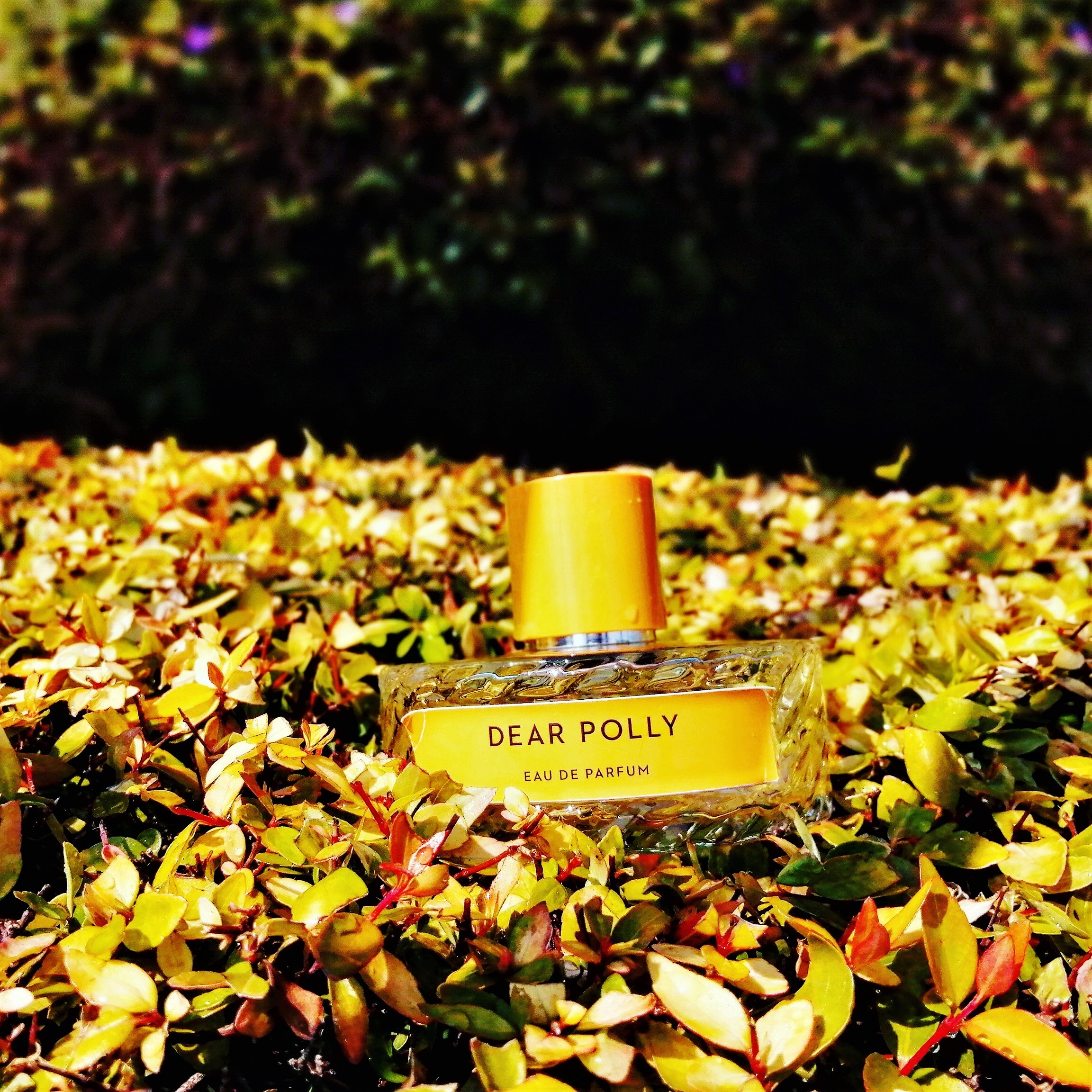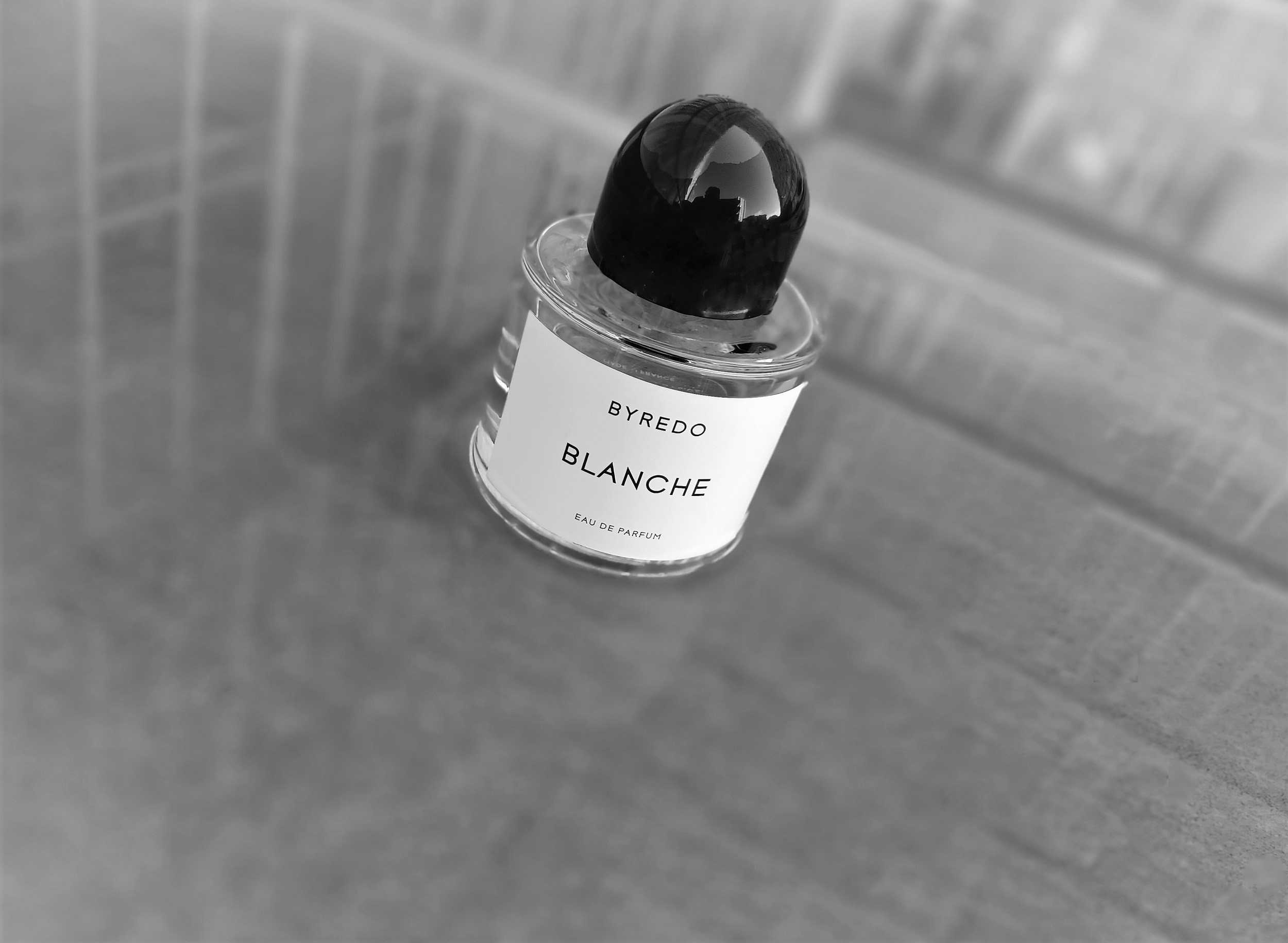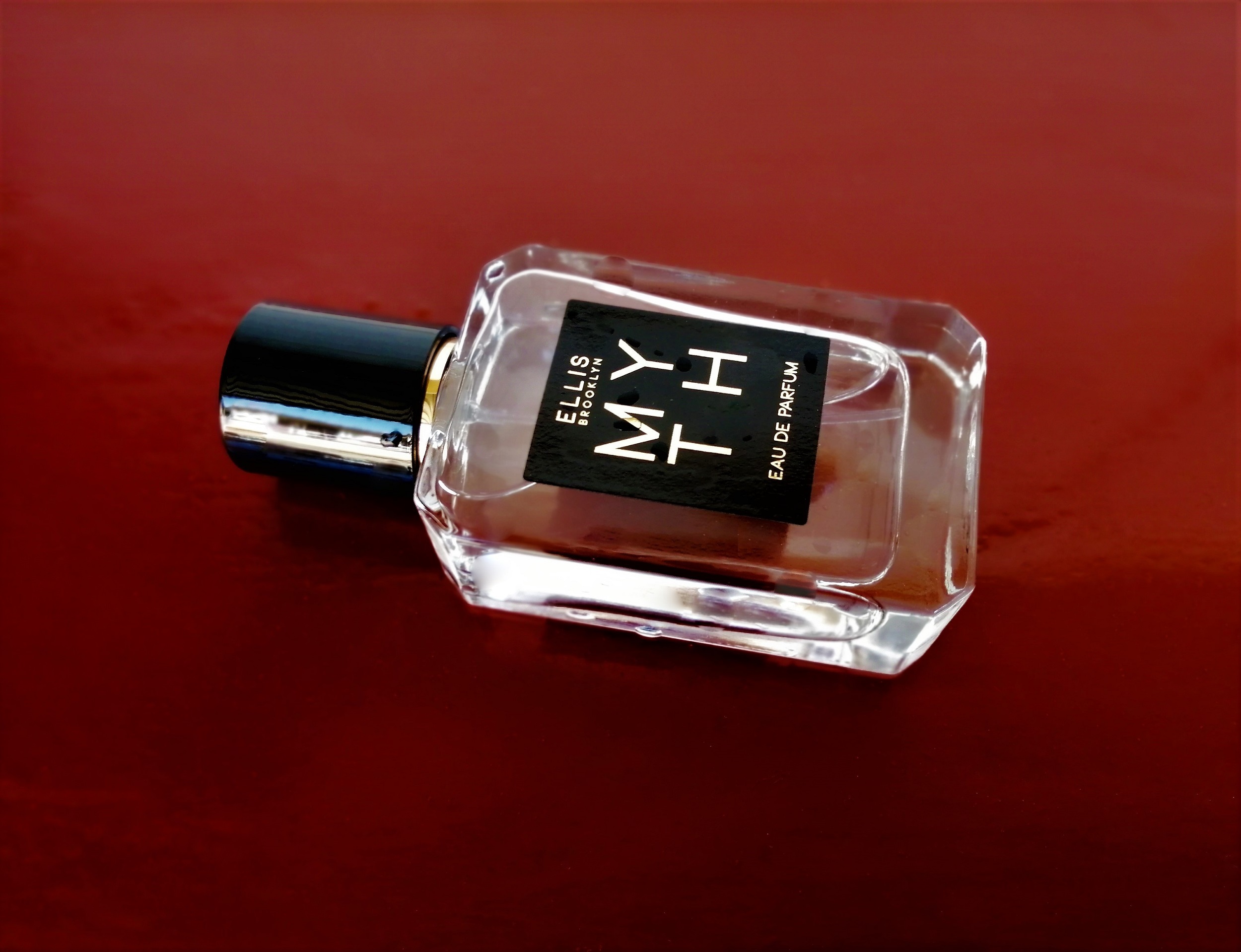
I love discovering brands that have something different to offer. Even better if they have a South African connection. Both of which Aqualis has in abundance. The London-based niche company was founded by Steyn Grobler in 2015 (he left the country at the age of 15).
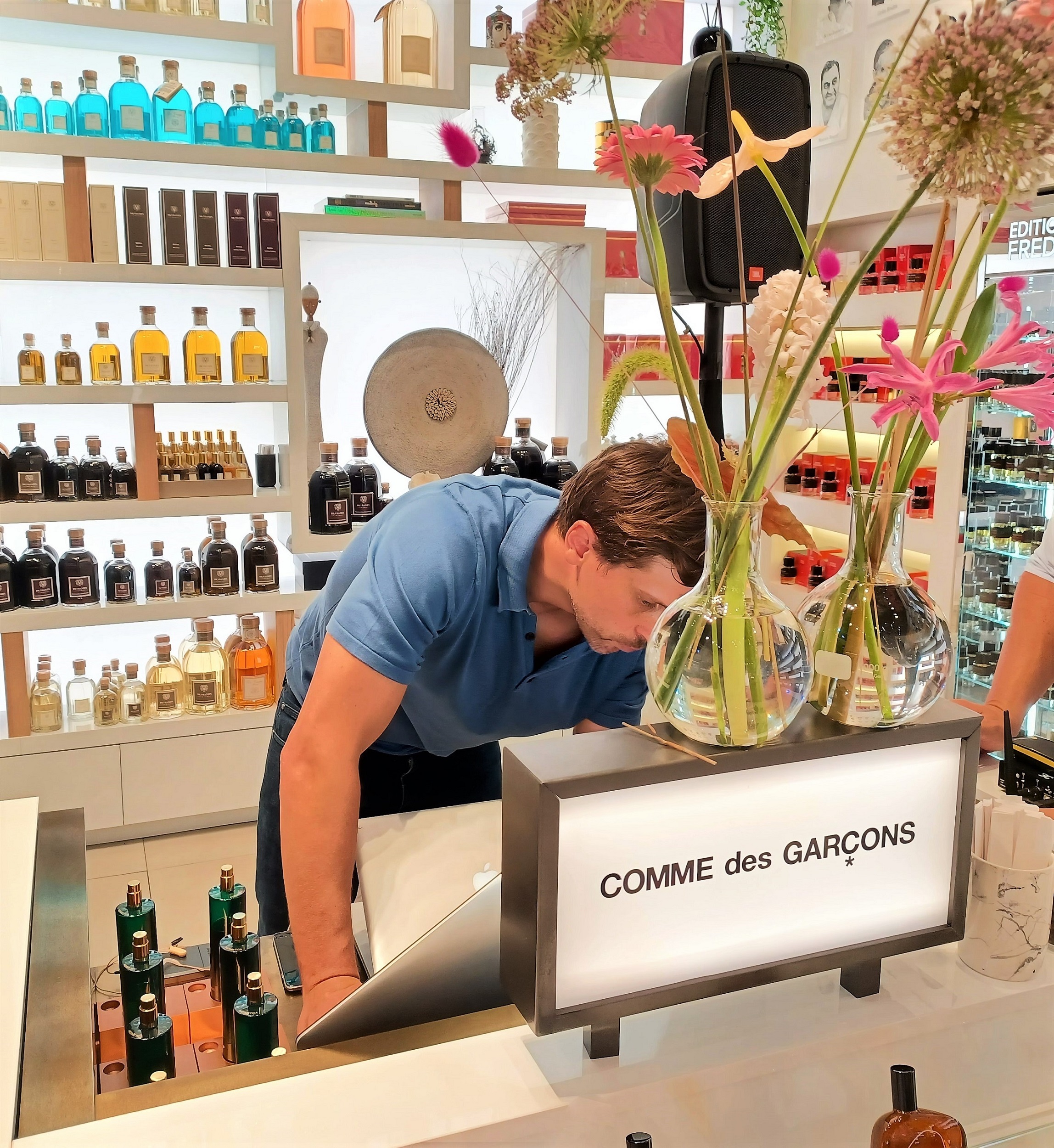
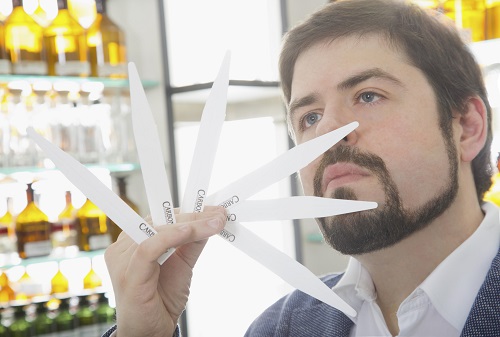
BEHIND THE SCREENS: Steyn Grobler getting ready for his presentation at the Skins Cosmetics store in Johannesburg.
The 36-year-old has put his master’s in business economics and luxury perfumes experience – including head of production and business development at Boadicea The Victorious and sales director for Ex Nihilo – to effective use.
Steyn Grobler was in South Africa in February to promote Aqualis at the various Skins Cosmetics stores. We didn’t get a chance to chat properly then, so did the Zoom thing a few months later in which we covered everything from niche inspiration to his DIY ethos.
What fragrance are you wearing today?
I’m wearing a fragrance that I’m testing. Generally, when I’m wearing a fragrance it’s something that’s been made for me.
It’s got this blackcurrant and bergamot top note, then this incredibly beautiful amber, patchouli base. It’s not quite ready yet. It hasn’t got the depth and character it needs in the base. So I’m going to be briefing the perfumer later today to give him my feedback.
If your question is what kind of perfumes I like to wear… I’m a big lover of gourmands, fresh fragrances and heavy ambers. Hate fougères. Just can’t gel with them. Floral fragrances are something to be appreciated but, yeah, not something I would wear.
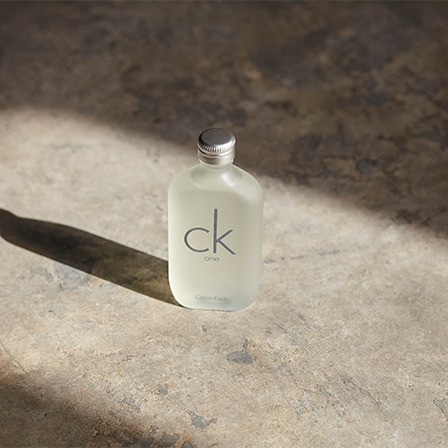
Over the course of my wearing life, I’ve worn everything from cK One and Boss in Motion, then upgraded to niche brands like Roja Dove and Byredo. So stuff across the spectrum.
IMAGE: Calvin Klein.
Are those tastes reflected in the perfumes for Aqualis?
Definitely! I must really love what I put forward. Particularly when it comes to the florals, which might not be something I wear personally. That’s the kind of thing I will give to other people to smell and to smell on them. If I love it on someone else, then I will move forward with it.
There’s nothing in my collection that I haven’t extensively tested and pondered over for an incredibly long time. It’s always very well measured and tested by the time it goes to market.
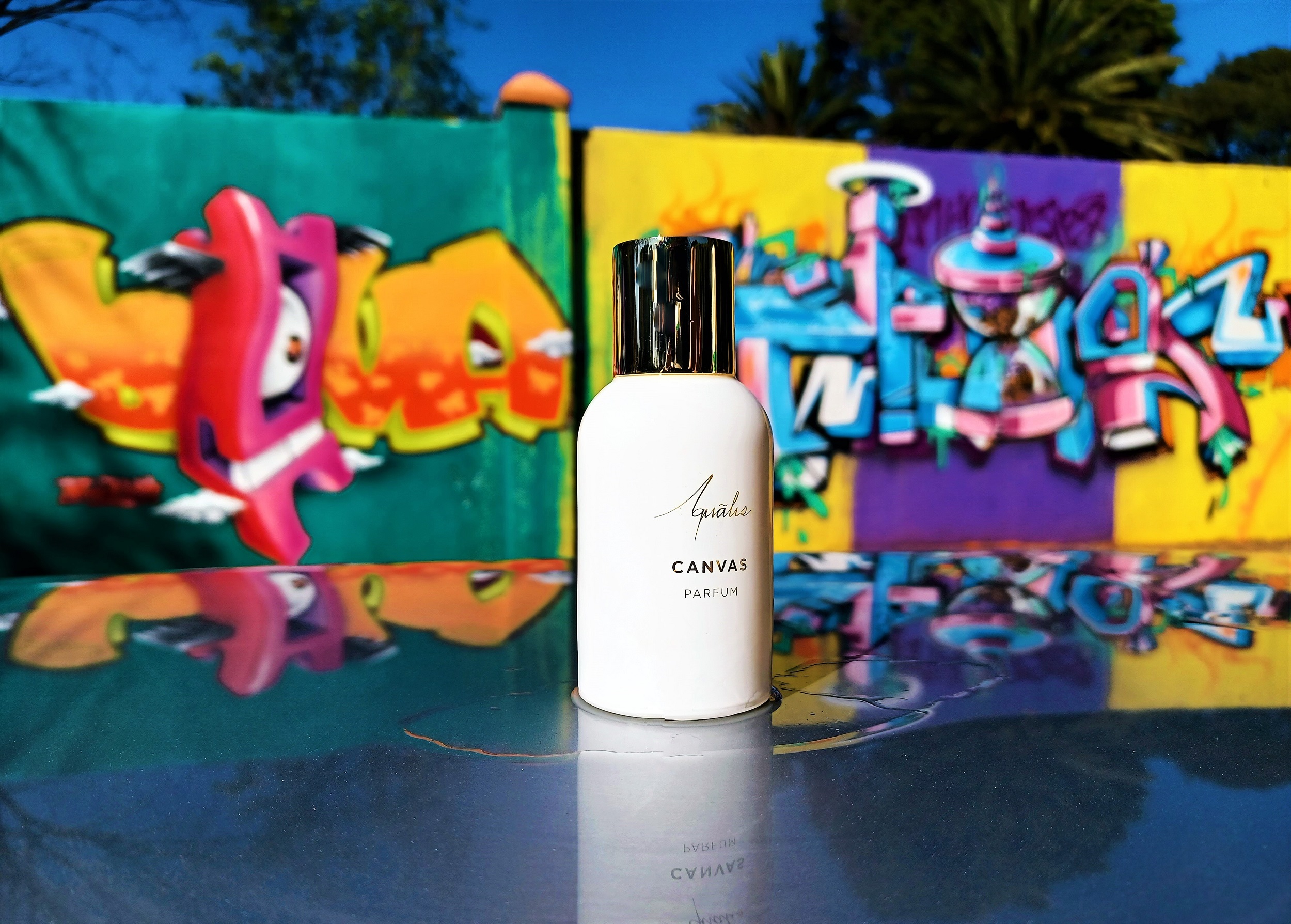
WORK OF ART: A shot of bergamot freshness in Aqualis Canvas Parfum leads the way to a bouquet of powdery prettiness (notes of freesia, iris, mimosa, rose), with wafts of white musk keeping it sensual and sophisticated. Created by Amandine Galliano.
How have you ensured Aqualis stands out in such a busy niche market?
There’s this super-luxury end where prices are over £400 pounds for a 50ml bottle. So I felt there was a gap for a premium product that’s not outrageously priced out of the market. The brand sits very neatly in its own little niche in the niche industry. Very few other people are doing 30% concentrations of the best quality ingredients at that price point.
Which niche brands inspire you?
I’m always looking at other brands. Thibaud Crivelli is doing a great job with Maison Crivelli. He’s got this great attention to detail from the blotters to creating a feeling around a fragrance. Which is what I try to do, as well, I just don’t have his budget [laughs].
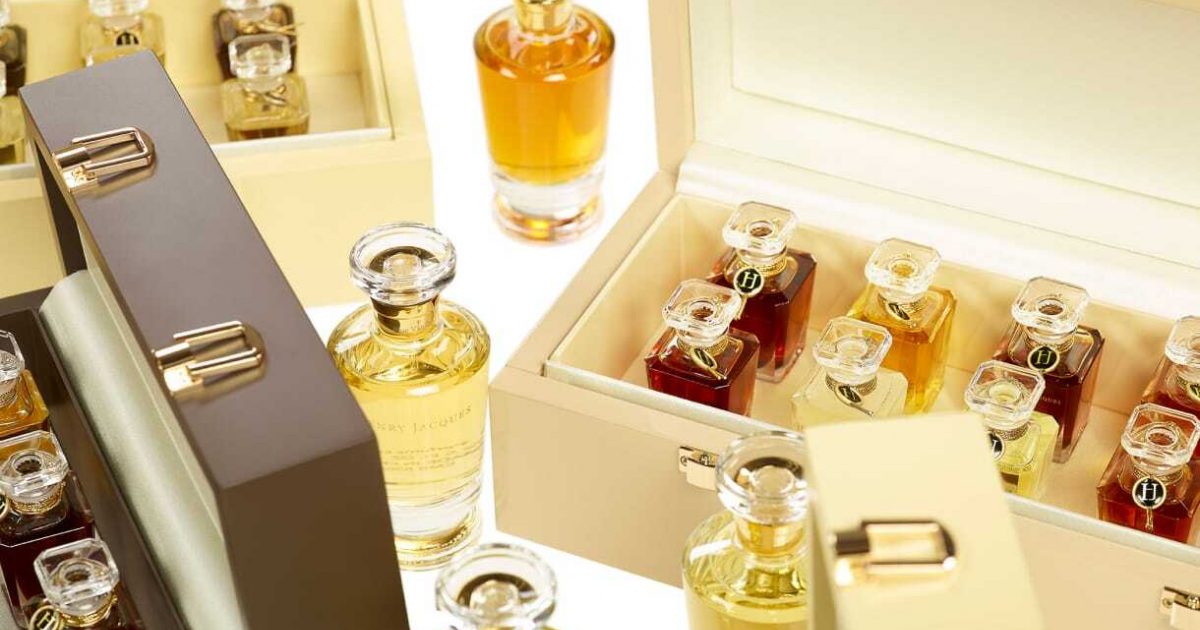
At the high end, Henry Jacques is an incredibly company. One which I had the pleasure of working for briefly. The quality is unmatched, their own perfumers, sourcing all their own ingredients…
IMAGE: Henry Jacques.
Sergio Momo of Xerjoff works with brilliant perfumers, such beautiful design. Those three companies I look at, not to copy, but you feel inspired naturally by them.
How many people are in your company?
Me. And my girlfriend Chloe. That’s it. I manage all the production, finance, international retailers, new product development… basically, manage all the company. Chloe manages the Harrods account and the social media and communications. But we’re really punching above our weight for what we are and do.
“We’re really punching above our weight for what we are and do.” – Steyn Grobler
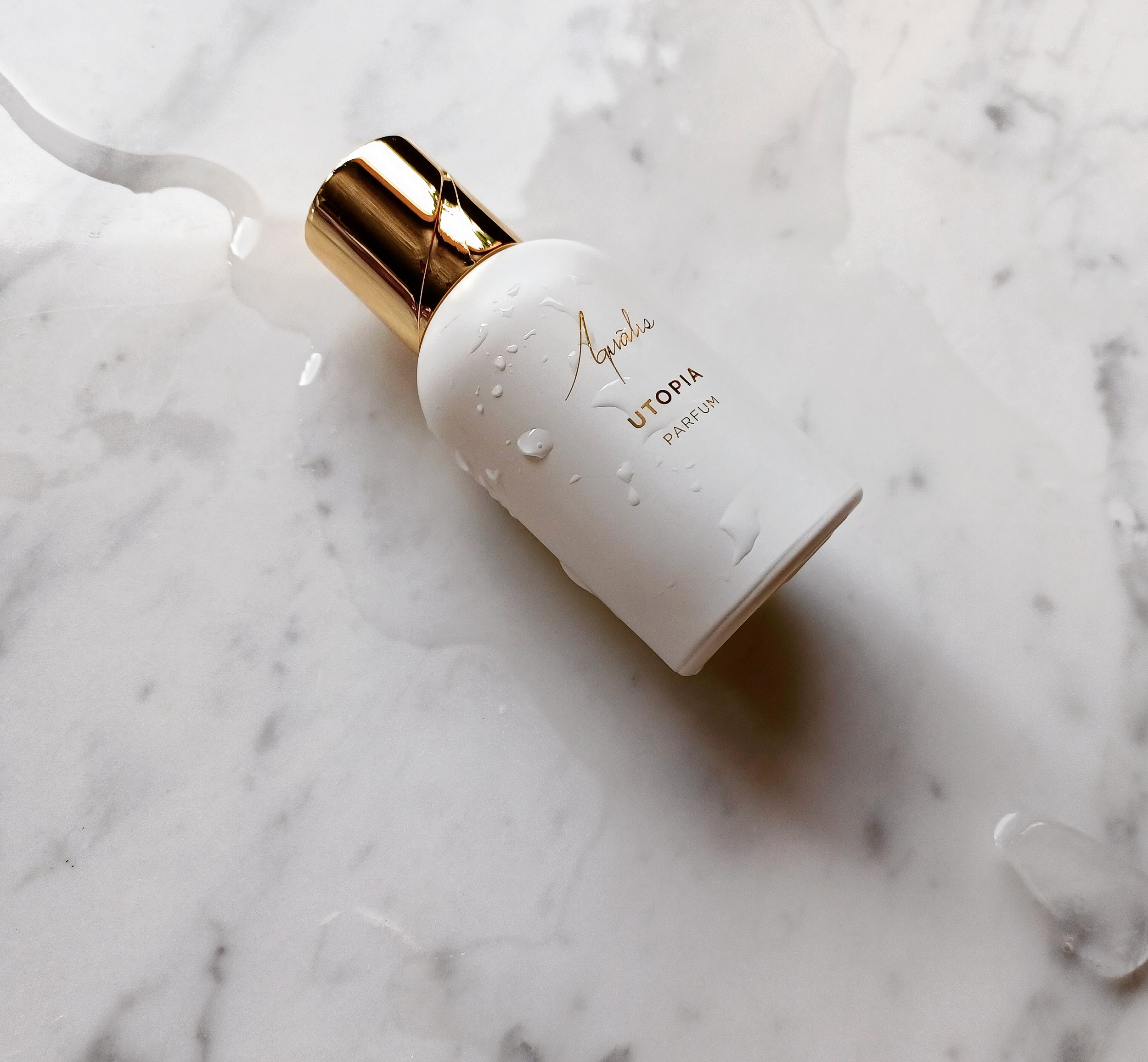
OLFACTORY IDEAL: A rush of fresh blood orange gives way to the fruity nuances of apricot, osmanthus, pink peppercorn and rose in Aqualis Utopia Parfum. Not your average screechingly sweet fruity-floral, hallelujah. Created by Jean-Charles Mignon.
The Harrods deal is a huge coup. How did that come about?
Working with Ex Nihilo, I built up a direct relationship with them over a long time. It took three years for Harrods to accept the brand.
When you show big results over your career – for example, with Ex Nihilo and Boadicea – it gives them the confidence to launch the product. Huge investment also went into the actual presentation to them, which looked stunning.
And then there’s what you do there to grow it. It almost becomes a HR exercise. What sales staff do you employ, how do you strategise, but that’s also the fun part.
IMAGE: Aqualis.
What’s been your hardest (and most valuable) business lesson so far?
[Laughs] There’s a whole graveyard of lessons. No, the biggest thing is don’t burn bridges and work with people in the long term. As a younger guy and being South African, I might have been too stern and forward with my words and thinking, so I’ve learned to be very collaborative with people.
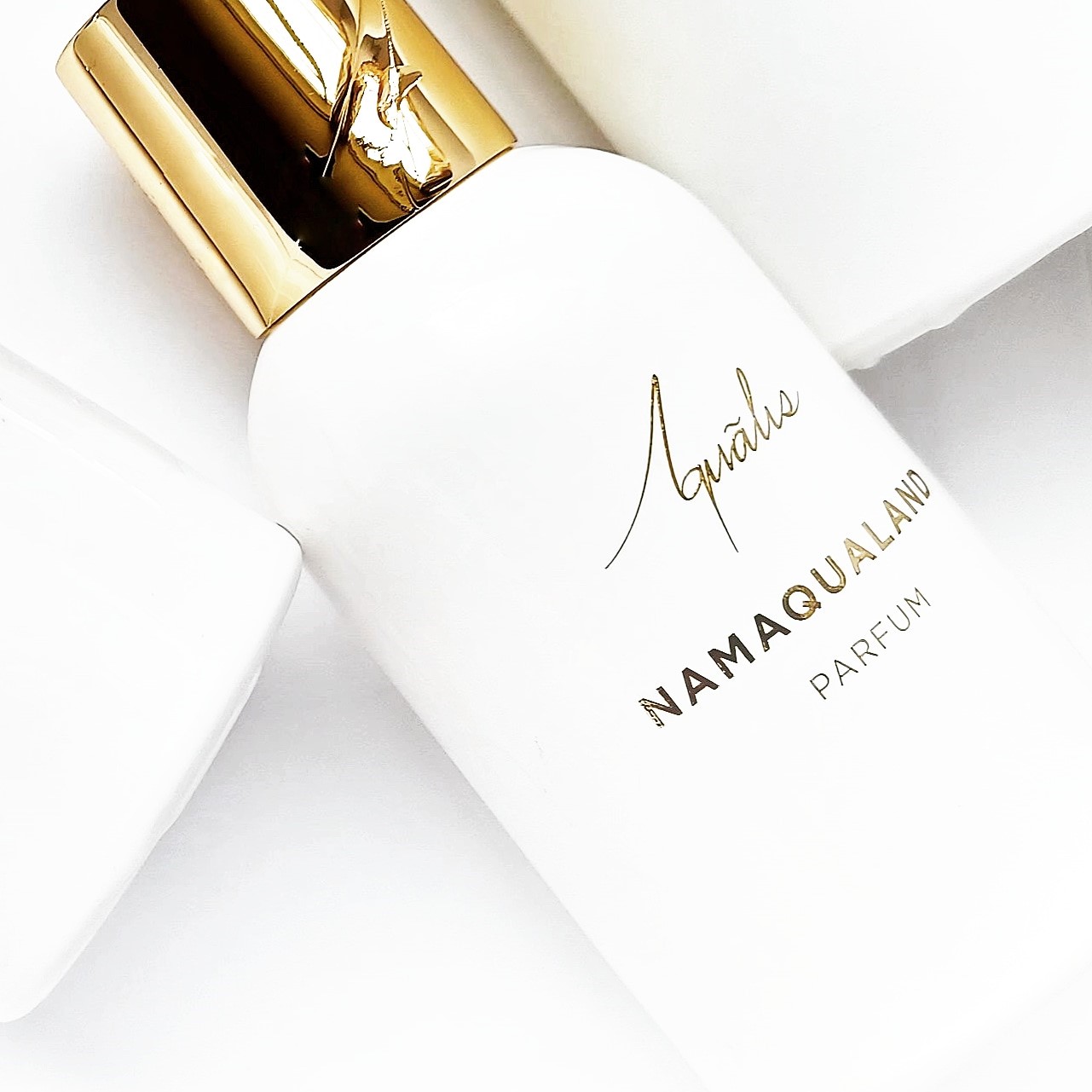
BIRTHDAY BLOOMS: Inspired by the semi-desert region in South Africa which explodes with blooming wild flowers in July and August, Aqualis Namaqualand Parfum is big on the florals in a rather lovely way. Jasmine sambac, tuberose and ylang-ylang are all given their place in the African sun. Created by Florian Gallo.
Talking about your South African background, your heritage is proving to be a rich source of material. Was that intentional, or did it kind of happen along the way?
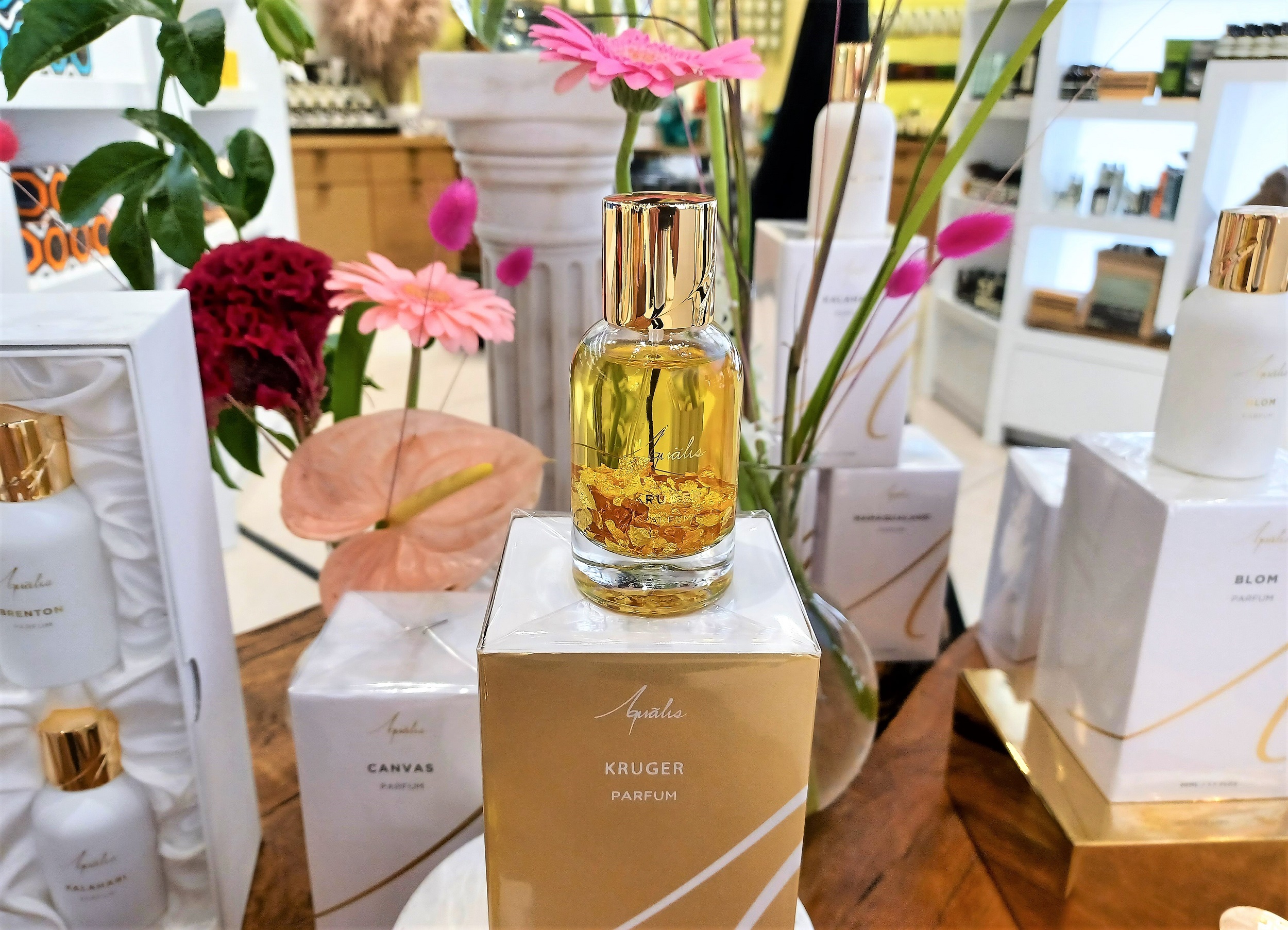
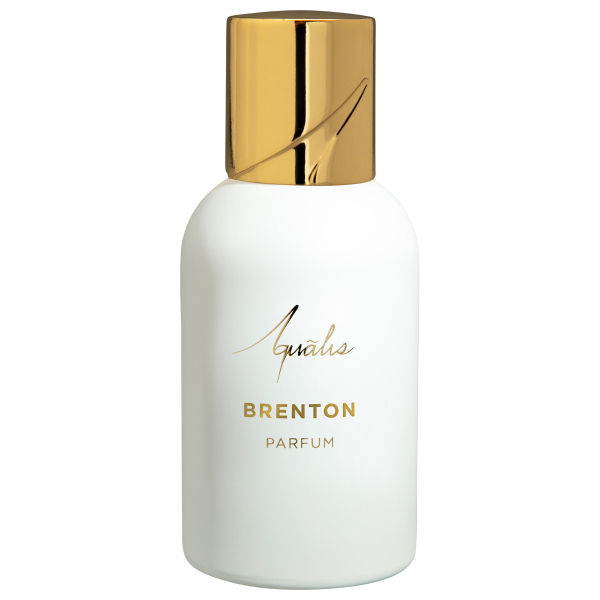
Each of them means something to me. Namaqualand blooms round about the time of my birthday. Kalahari is where my mum is from. Brenton is where my parents live now. Kruger [the president of the Transvaal in the 19th century] was my great, great grandfather. I didn’t set out wanting to make a South African brand, but these are such inspiring places.
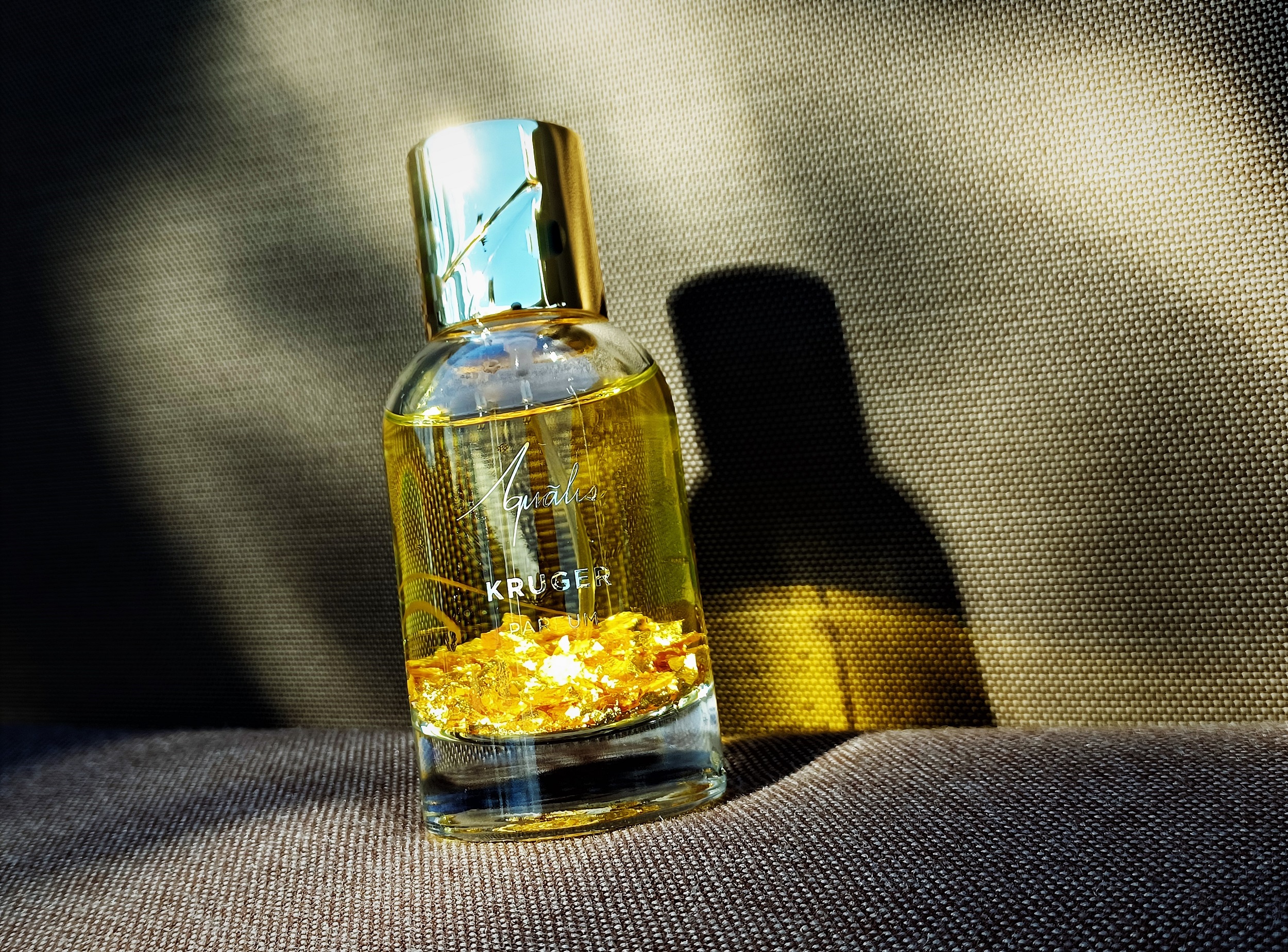
GOLD STANDARD: A double dose of the queen of florals in the form of rose oil and rose absolute (both from Turkey) is complemented by the soft leathery tones of saffron and papyrus in Aqualis Kruger Parfum. Cosy and chic. Created by Jean-Charles Mignon.
How do you brief your perfumers?
It’s quite different every time, but there are certain things that are consistent throughout my briefs: the highest concentration, no budgetary constraints on raw materials, which the perfumers love. It’s also important for them to have artistic freedom.
The briefs include what kind of person I envisage wearing it and what’s on the market already. They can’t be copies. I have this library [of references] in my head. You need a lot of knowledge about what’s going on in the industry.
IMAGE: Aqualis.
You mentioned Egoli when you were here in February. Tell us about that.
Egoli [the Zulu word for Johannesburg] is the place of gold and oud is liquid gold. I really wanted to use the notion of Johannesburg as a city built entirely on gold and now it’s a huge metropolis with Pretoria around it. And of course, I grew up around there.
It’s a unique take on oud in a parfum concentration, created by Chris Maurice who also did a lot of the Xerjoff fragrances. Unlike a lot of the big perfume conglomerates, he has a regular supply of the best oud in Laos.
IMAGE: Aqualis.
“I’m a bit of a purist in that way and wanted real oud, not accords or synthetic oud, to be used.” – Steyn Grobler
I’m a bit of a purist in that way and wanted real oud, not accords or synthetic oud, to be used. It’s stunning, with acidity, soft freshness from the bergamot note and this animalic musk-civet note.
REAL DEAL: Chris Maurice collaborated with Steyn Grobler to create Aqualis Egoli Parfum.
A brand is always a work in progress. What do you want to improve on Aqualis?
I started off with 50ml bottles, the concept that the strongest poisons come in the tiniest bottles, but there’s huge demand for 100ml bottles, so I’m working with an award-winning architect to create a shape for the 100ml. It will be sculptural.
IMAGE: Aqualis.
Now that I’m scaling the brand, we’re also working hard to come to solutions that are sustainable and luxurious and exclusive at the same time. For instance, the silk and foam inside the box are not sustainable and we can’t pump stuff out that gets thrown away.
IMAGE: Aqualis.
A lot of brands go through this journey. You look at Byredo and Roja Parfums, which have changed so much over the years, and you have this confidence, it’s fine to change it.
Running a perfume business takes a lot of cash. If I can ask the rude question, how have you done it?
Begged, borrowed and stolen [laughs]. I funded everything myself is the simple answer. I’ve been in high positions in companies. A lot of friends bought a house and I invested in a company. I love high risk [laughs again]. But then the company has grown organically in terms of its cash-flow, so whatever we’ve done, we’re not struggling to shift stock.
“Wherever there’s something that’s going to cost me a lot of money, I’ve ending up doing it myself.” – Steyn Grobler
Wherever there’s something that’s going to cost me a lot of money, I’ve ending up doing it myself. That’s also very much the South African way.
Aqualis fragrances are available in South Africa at Skins Cosmetics.
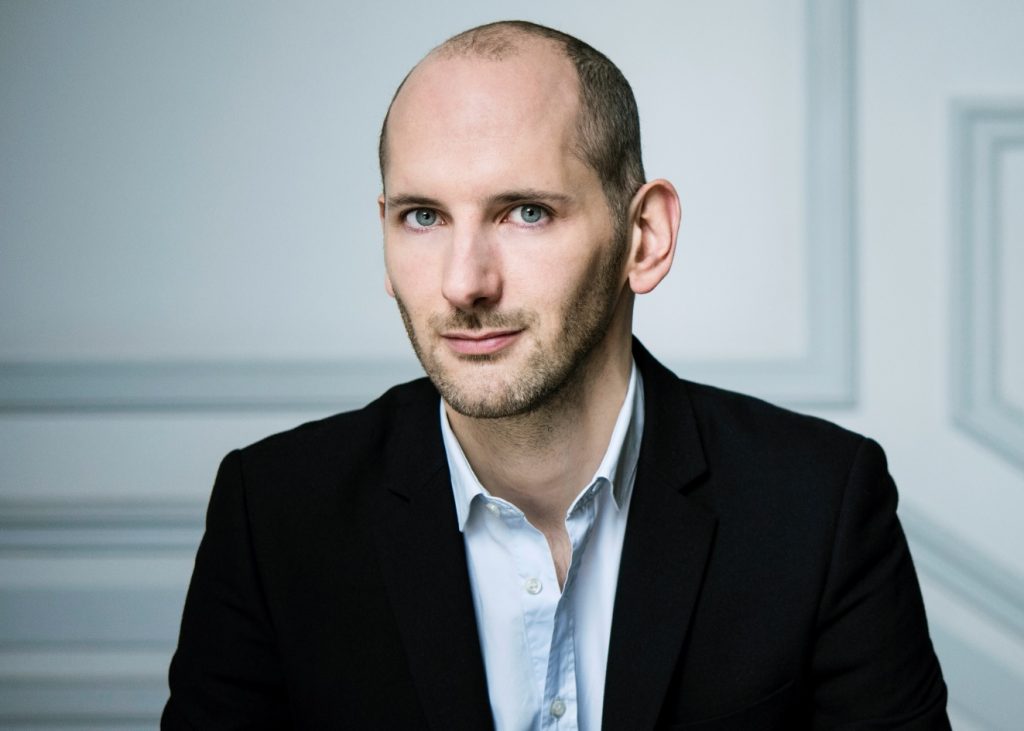
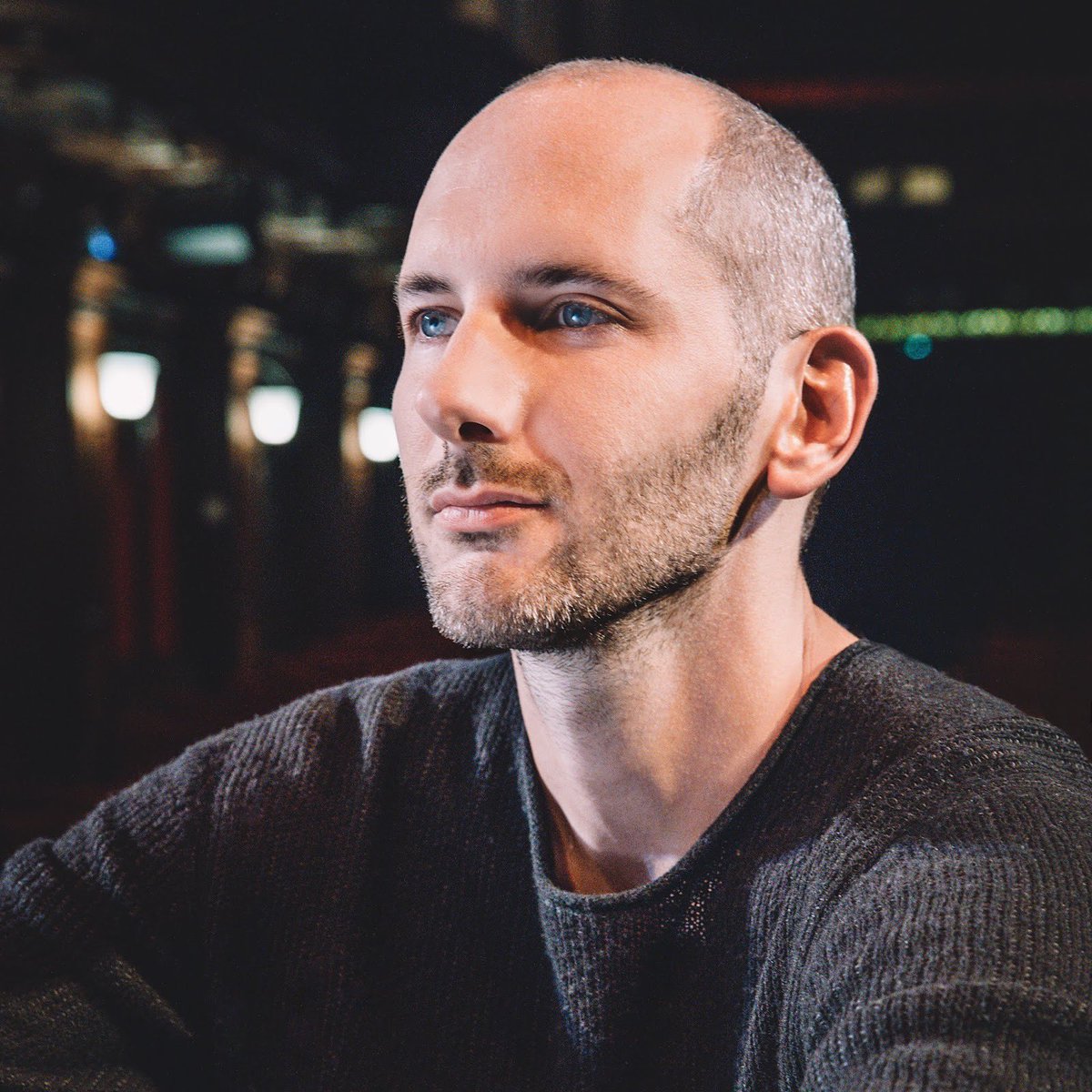
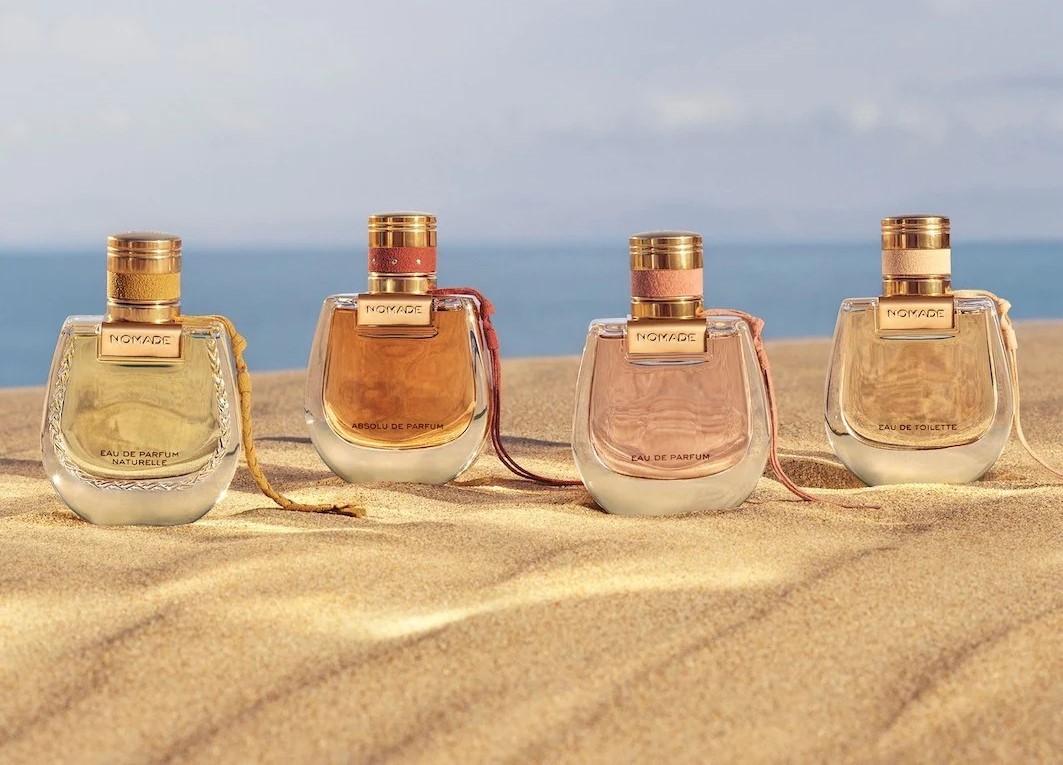
The last time I interviewed Quentin Bisch, in 2018, the Paris-based perfumer was already making an impression with his creations for brands such as Chloé, L’Artisan Parfumeur, Etat Libre d’Orange, Mugler, Ex Nihilo and Jean Paul Gaultier.
IMAGE: Givaudan.
Four years later, the Strasbourg-born Givaudan Perfumery School graduate has become highly sought after, so much so that this follow-up interview almost didn’t materialise due to his non-stop schedule.
IMAGE: Chloé.
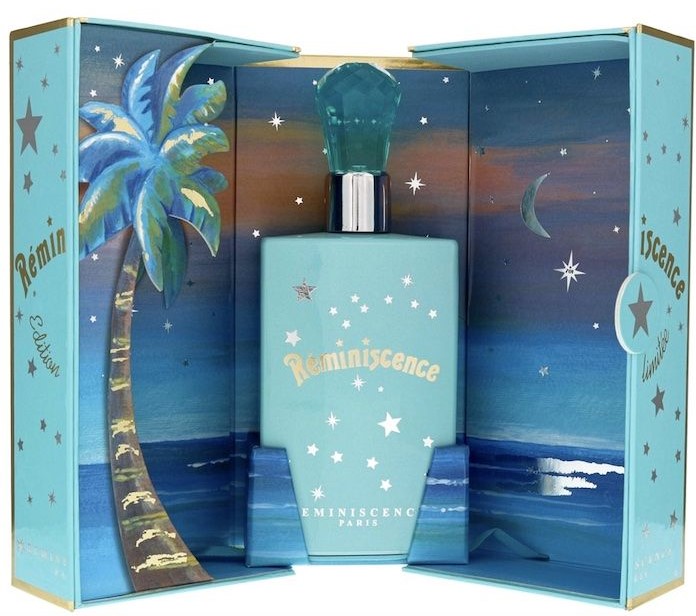
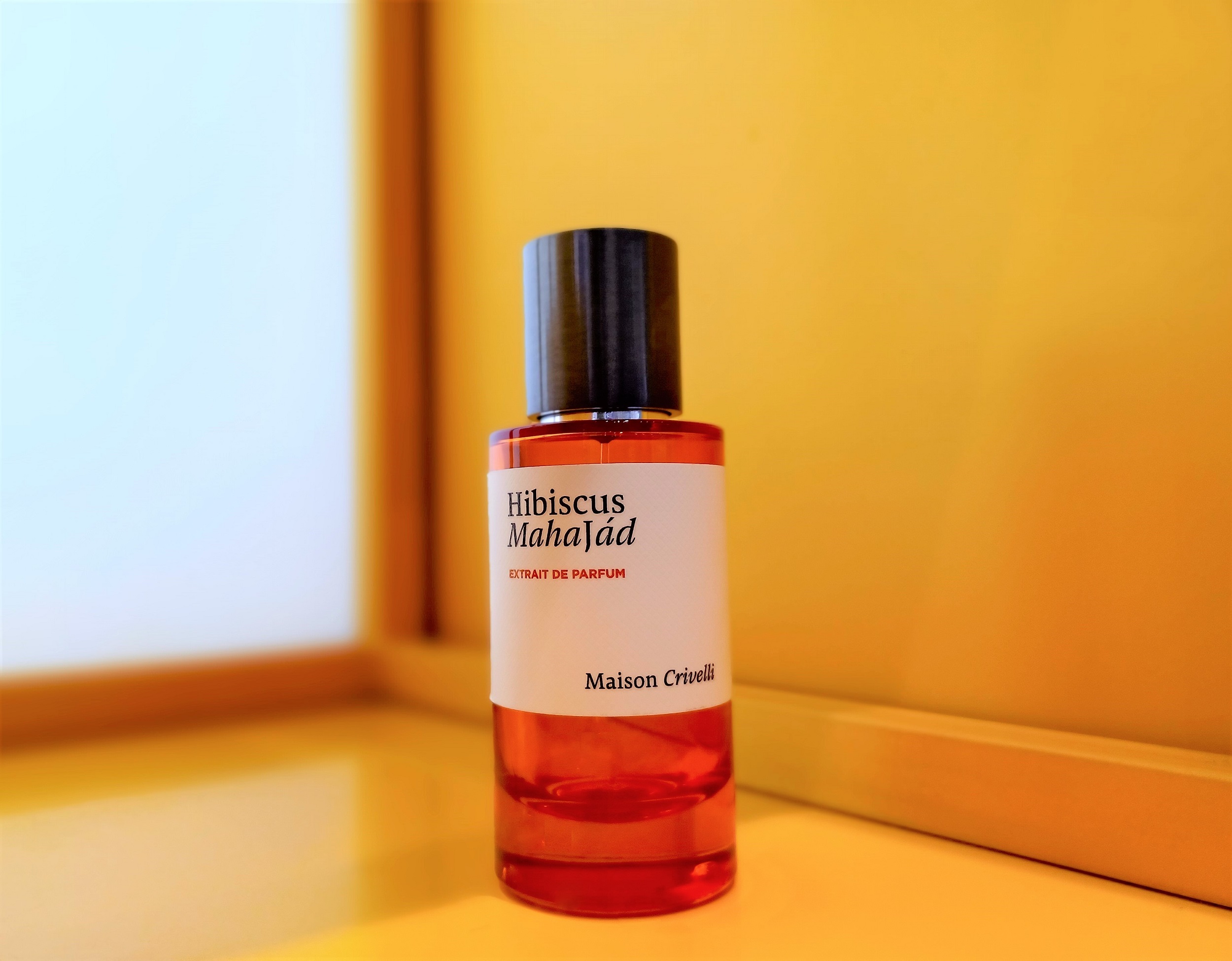
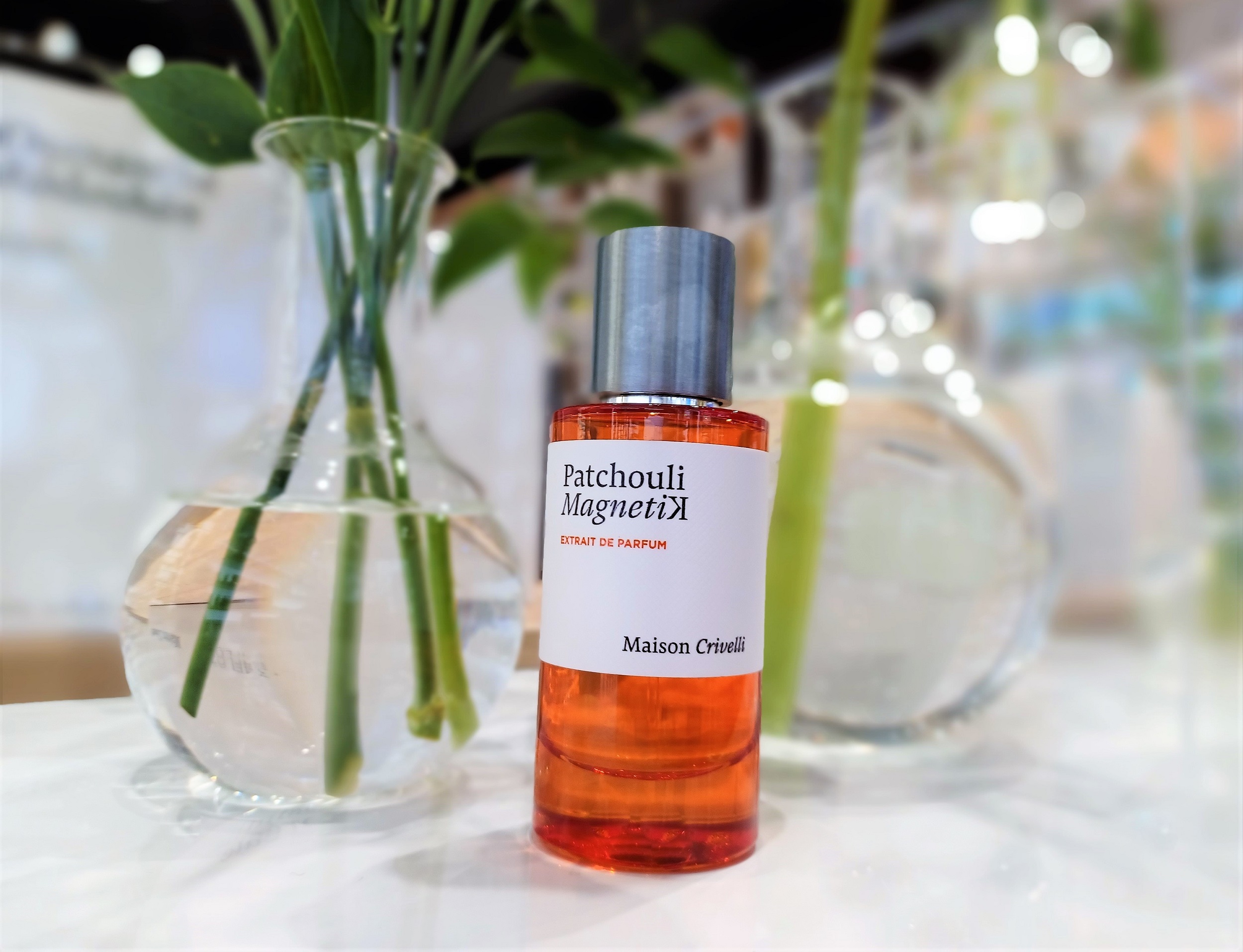
Quentin Bisch made his fine fragrance debut in 2010 with Reminiscence Essence EDP. Most recently, he has produced fan favourites Hibiscus Mahajád (2021) and Patchouli Magnetik (2022) for French niche brand Maison Crivelli.
IMAGE: Fragrantica.
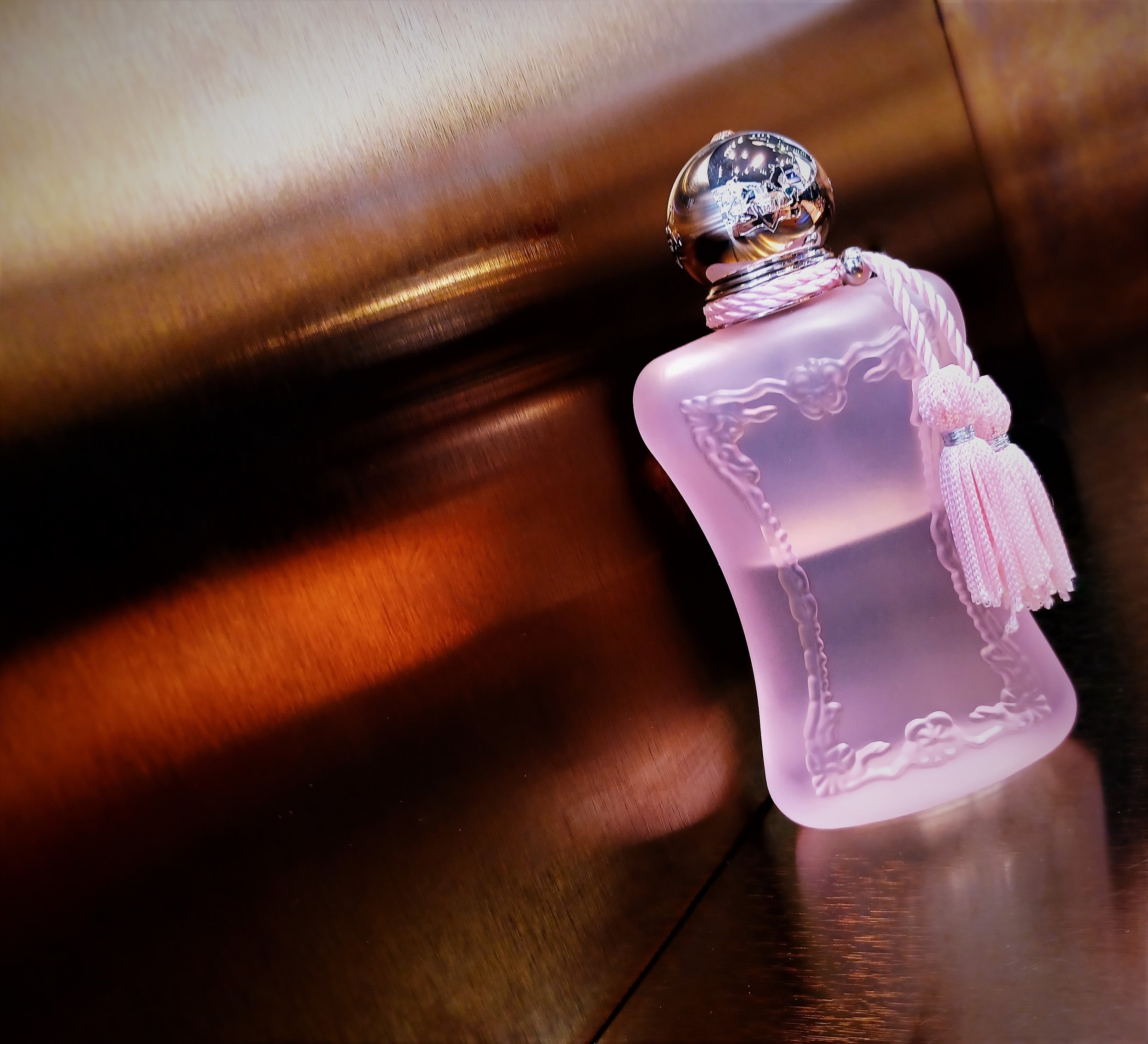
His creations for the Parfums de Marly Delina Range – Parfums de Marly Delina EDP (2017), Parfums de Marly Delina Exclusif EDP (2018) and Parfums de Marly Delina La Rosée EDP (2021) – are particularly popular.
When we got the opportunity to catch up over a half-hour phone call, we chat about the pressures of being in demand, the Parfums de Marly Delina line and the trickiness of working with roses. We also go into existential territory, which just adds to my admiration of his authenticity and sensitivity.
You are very in demand and are increasingly referred to as a “star perfumer”. How do you cope with the pressure and expectation?
Please don’t [sighs]. When I hear those kinds of things, I’m honoured and touched.
At the same time, it’s just not talking to me. Maybe because I’m strict with myself so I’m always seeking, doing research, looking at my next goals to achieve. So when I hear those compliments, it’s like people are nice, but that’s it.
“With the pressure, it’s only my pressure, which is quite huge. It’s sufficient and quite enough.”
With the pressure, it’s only my pressure, which is quite huge. It’s sufficient and quite enough [laughs].
I get the impression you’re a perfectionist.
Yes, maybe too much. But my self-engine that pushes me all the time is good like that too. Sometimes it’s a bit tricky. I can get into things in an obsessional way. It tends to take a lot in my life.
I still see myself as someone looking for something I haven’t accomplished yet. I feel young and new and having done nothing yet. There’s a huge gap between sometimes what I hear and what I feel in my head.
Apparently, you used to struggle with chemistry, an integral part of perfumery. How’s that part of the equation going now?
No. No [emphatic]. I have understood with experience you don’t need chemistry at all, in fine fragrances especially. Maybe if you’re working with household detergents and so forth, you do, but that’s not my domain.
You don’t need to foresee the chemical reactions in fine fragrances. You just need to perfume alcohol, which has no smell. I’m more of a chef mixing ingredients than a chemist.
IMAGE: Marc-Antoine Barrois.
You make it sound too easy, Quentin…
You’re right. Anybody can create, with a little training, something that smells good. There are some tricks. If you take vanilla, patchouli and labdanum, it smells amber, which is a beautiful accord. You can learn that trick.
To create beautiful perfumes that are modern, different and expansive is complicated because then you must adapt the art of mixing to the art of feeling what will be good, trendy and suits the brand. That is difficult.
Which would come from experience and intuition…
True. Intuition and lots of work. You need to try and try and fail and fail again to discover something nice and interesting. You need to be very patient. If you’re looking for something that’s rewarding quickly, perfumery is not for you.
“If you’re looking for something that’s rewarding quickly, perfumery is not for you.”
Let’s discuss the hugely successful Parfums de Marly Delina range. How much freedom were you given to create these fragrances?
Quite free, I must say. We presented to Julien [Sprecher], the olfactive director of the brand. At first, he didn’t like the note, but we insisted and he reconsidered. He asked me to do one single modification and that’s it.
Delina is powerful stuff. Was that part of the brief?
It’s very important to have that aspect in the whole package. It needed to be powerful and fluid – the way it’s distributed in the air – and transparent at the same time.
How did you ensure Delina Exclusif is different from the original while keeping certain elements?
Exactly. It needed to be a continuation of the first one, like season two. If Delina was roses blooming in the garden at noon, full sun, a beautiful day, then Exclusif would be the same thing, but by night. It’s the same idea but with a different atmosphere.
I see you used Evernyl in the creation of Delina Exclusif. Did you prefer to use this synthetic moss rather than real oak moss?
When a perfumer uses a material, it’s not a basic choice between a natural and synthetic. I used Evernyl for a certain reason. It’s a different material. It’s like if you asked why I used hedione or benzyl acetate in place of jasmine. They’re three completely different materials.
“Creating a perfume is not a battle of choosing between natural and synthetic, good and bad. They’re a range of different ingredients.”
Creating a perfume is not a battle of choosing between natural and synthetic, good and bad. They’re a range of different ingredients.
For example, using a high amount of rose essence oil sometimes is not good. It stinks because it’s too dark, too spicy. It’s a cocktail of molecules when you use the natural. The synthetic allows you to use just one part of the rose, so then you can create your own rose.
I’m enjoying the relative softness of La Rosée with its aquatic vibe. What was the idea there?
I thought it could be the prequel. The same rose, but in the morning and not fully bloomed at that moment. There’s a dewy, wet atmosphere. It’s transparent but still powerful.
Are you surprised by the success of the range?
Yes! And everywhere! In Brazil, the Middle East, America, Russia, France. It’s crazy. That’s very interesting.
You never know if something is going to be a success. I don’t create perfumes thinking of that. Sometimes a beautiful fragrance can be launched at the wrong time and it misses the audience.
All these Delina fragrances feature Turkish rose. Is this an easy ingredient to work with for you?
No, not at all. It’s beautiful but very powerful and can be a bit tricky. If you overdose it, it’s not modern.
For Parfums de Marly, it needed to be the legacy of this olfactory fantasy, tradition and modernity.
It’s really a duet of this rose, from Turkey and which is natural, and Petalia. This captive molecule from Givaudan [the company he works for] is a key ingredient of the modern rosiness of Delina. It keeps the litchi, fresh rose facet from top to bottom.
IMAGE: Givaudan.
Do you have a favourite ingredient to work with?
It changes all the time, like one’s mood. It depends on what you want to do. At the moment, it’s vanilla, because I’m working on something with it.
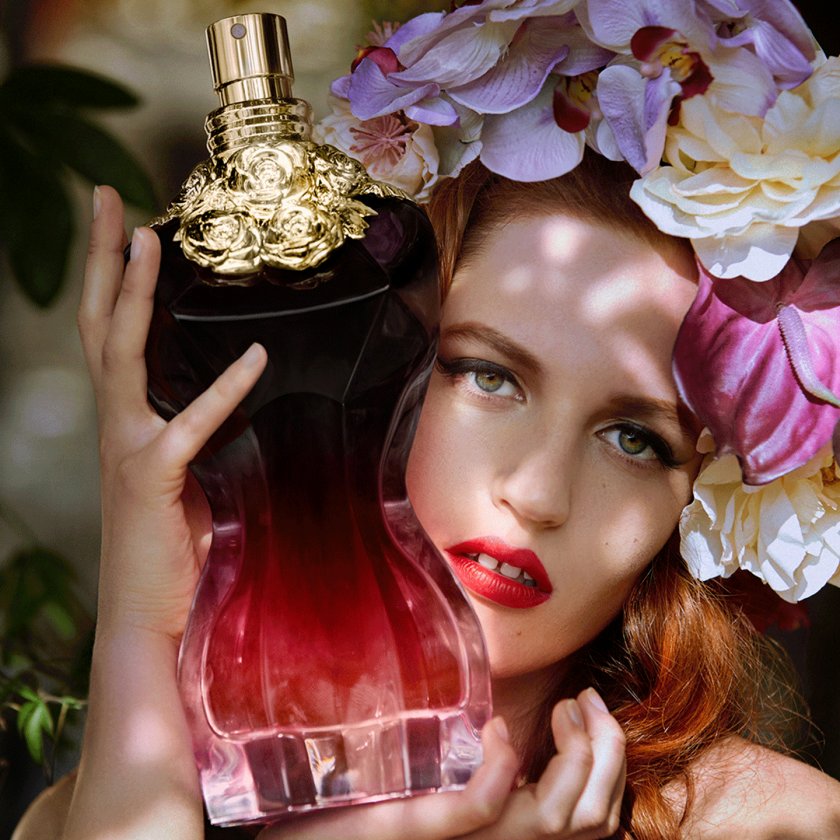
You know for Jean Paul Gaultier La Belle EDP, it started with le grand cru vanille, a delicious French cake with vanilla in all its states – powdery, dark, leathery. It was very interesting, the first time I was really trying to create an accord around vanilla and all its facets. From that day, I’m a vanilla-lover.
IMAGE: Jean Paul Gaultier.
Are you working on the next addition to the Delina range already? I know these things are confidential…
[Pause] Not for Delina. I can tell you I’m working on something else for Parfums de Marly.
If I read correctly, you turn 40 next year.
I turned 39 one week ago.
Hope it was a good celebration. Does it mean anything to you, as you approach that landmark year? Is this a time of reflection for you?
Definitely, but I’m always in that kind of state [laughs]. I’m always thinking about where I am, what I do, and asking myself: Are you doing the right thing? Are you doing it properly? And if not, change it.
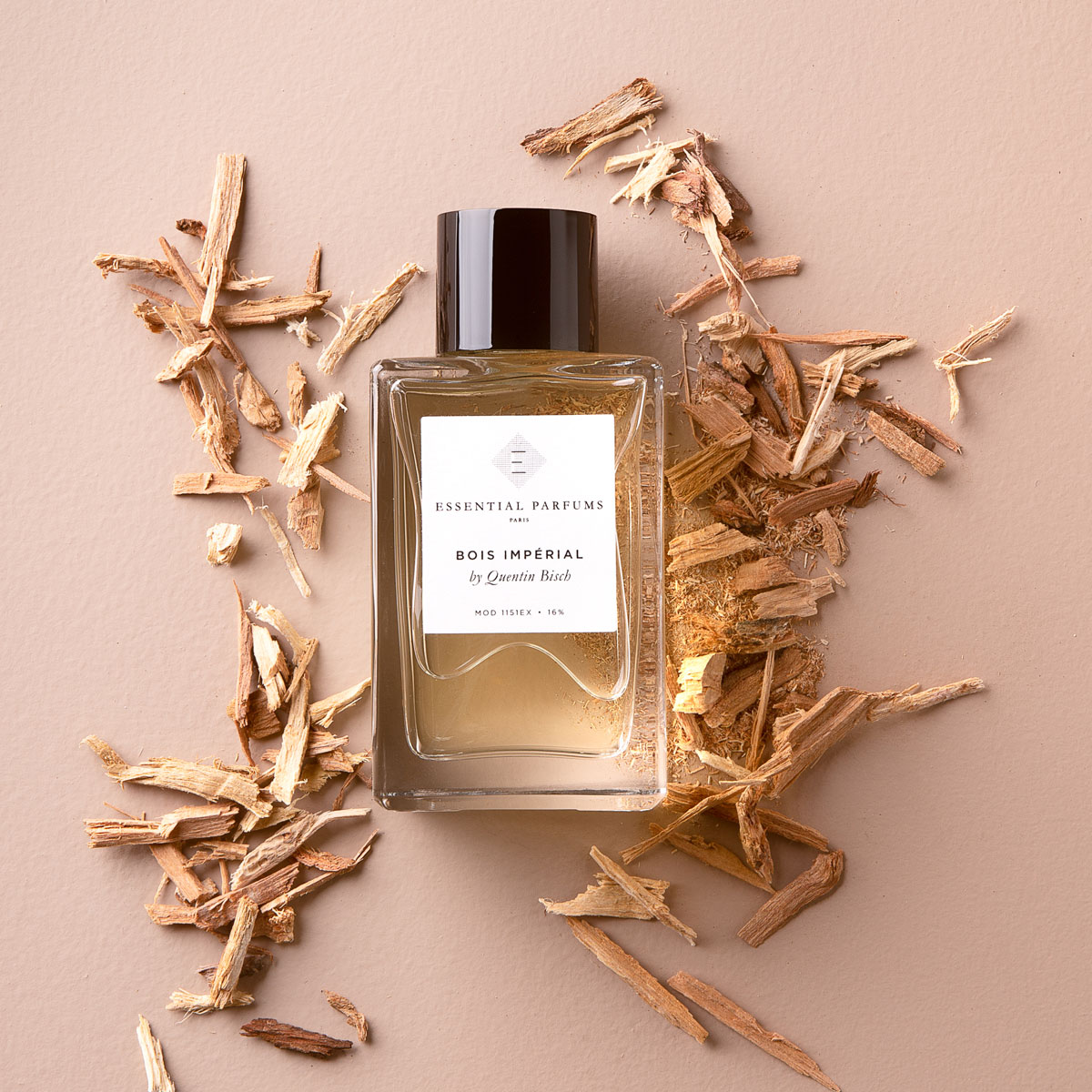
IMAGE: Essential Parfums.
It’s tiring but also good because you’re sure you’re at the right place at the right moment and you’re not lying to yourself and others. I hate, hate not being honest with myself and others.
I can relate. It can keep you up at night, all those questions, especially when there are no answers.
Yes, yes. You can question something without having the answers. And then it follows you in your everyday life and sometimes, suddenly, you will have that revelation: now, I know this is for me, this is not for me anymore. We evolve all the time and I definitely have the feeling I’m not the same as before.
The Parfums de Marly Delina range is available in South Africa at Skins Cosmetics.
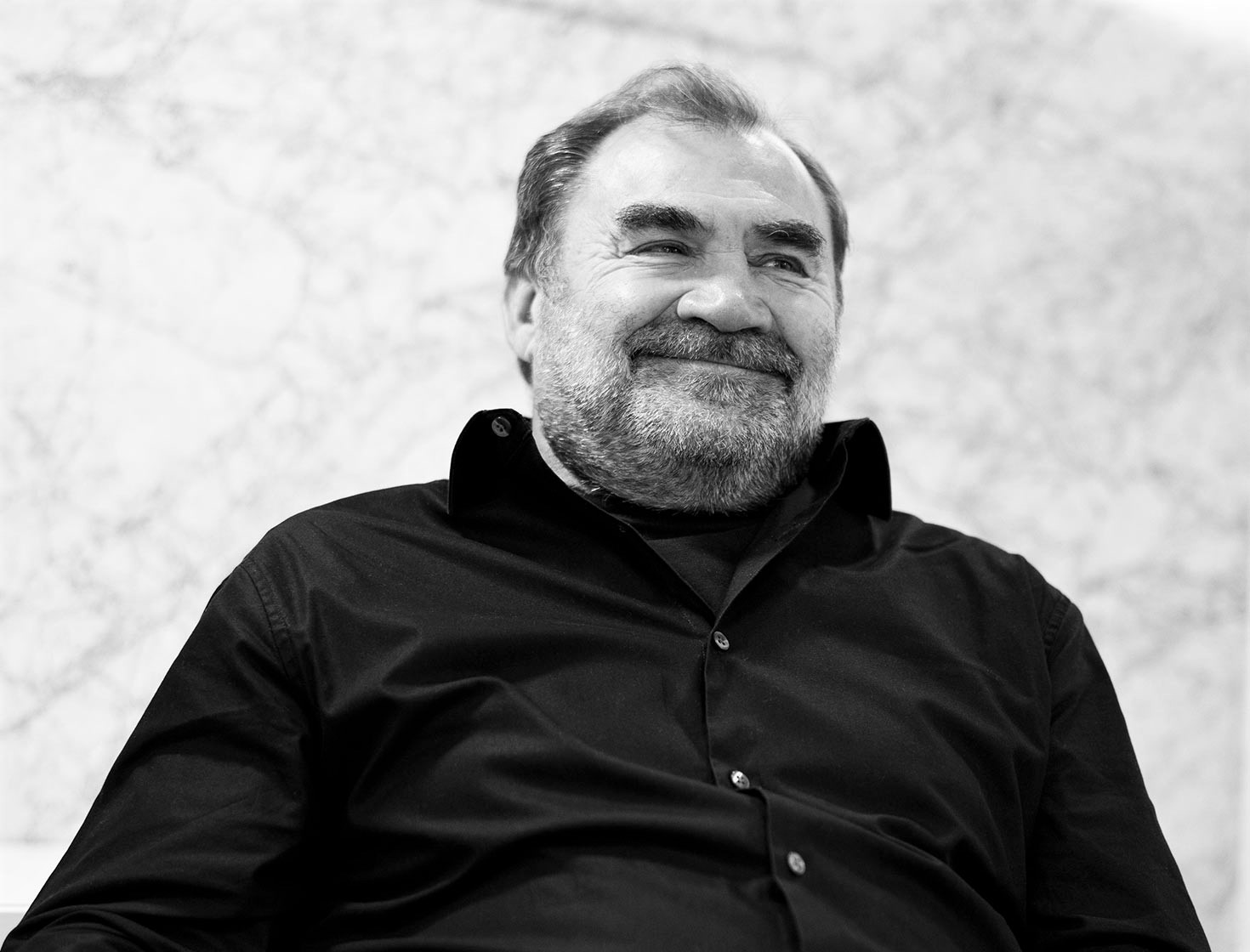
Maurice Roucel called me last week. Shameless name-dropping aside, I’ve always wanted to say that. After all, how often does a living legend respond to a flurry of emails with a phone-call to set up a time for an interview a week later. I gush about this Maurice Roucel interview because, in his nearly five decades-long career, he’s the man behind fragrances such as:
Rochas Tocade EDT (1994)
Serge Lutens Iris Silver Mist EDP (1994)
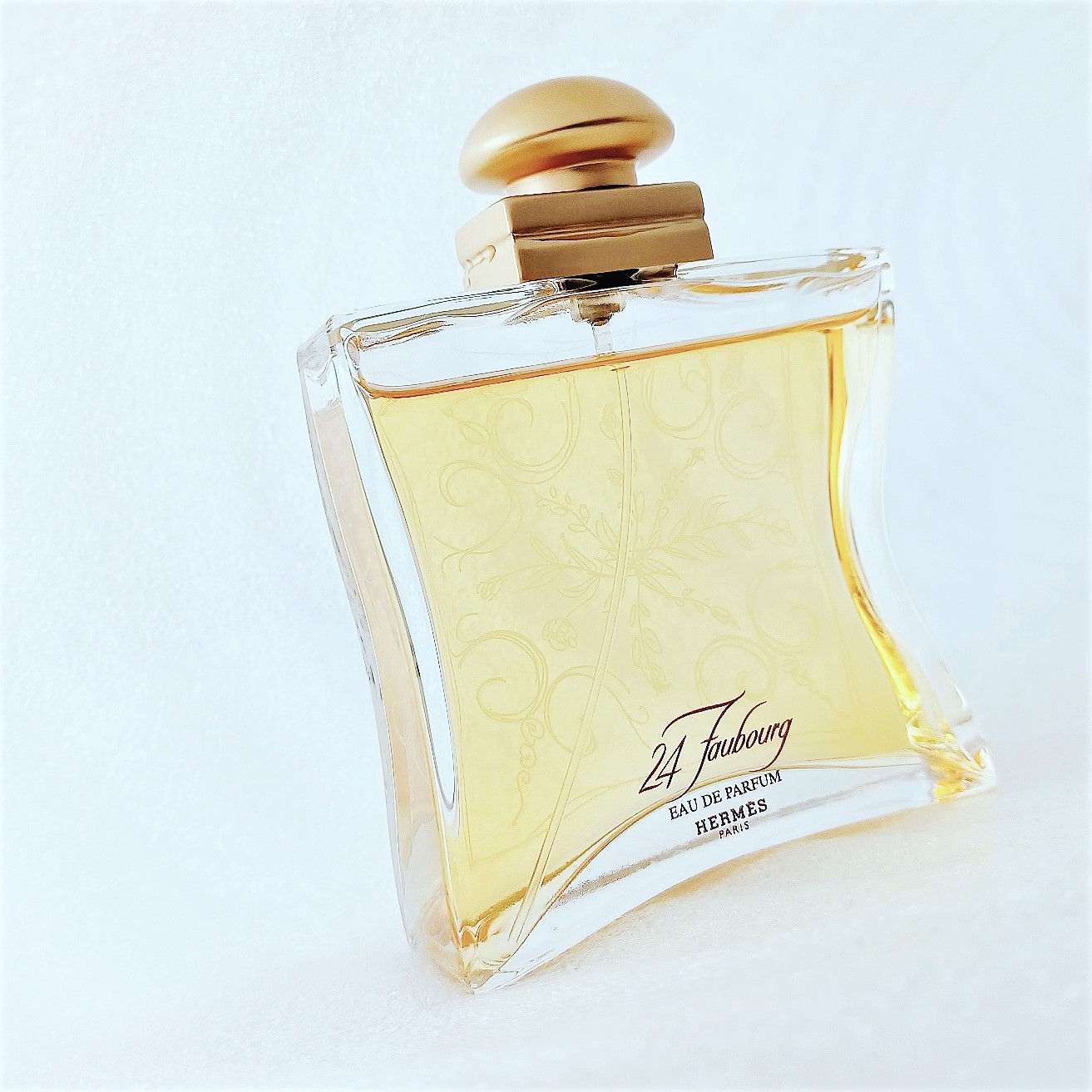
Hermès 24 Faubourg EDP (1995)
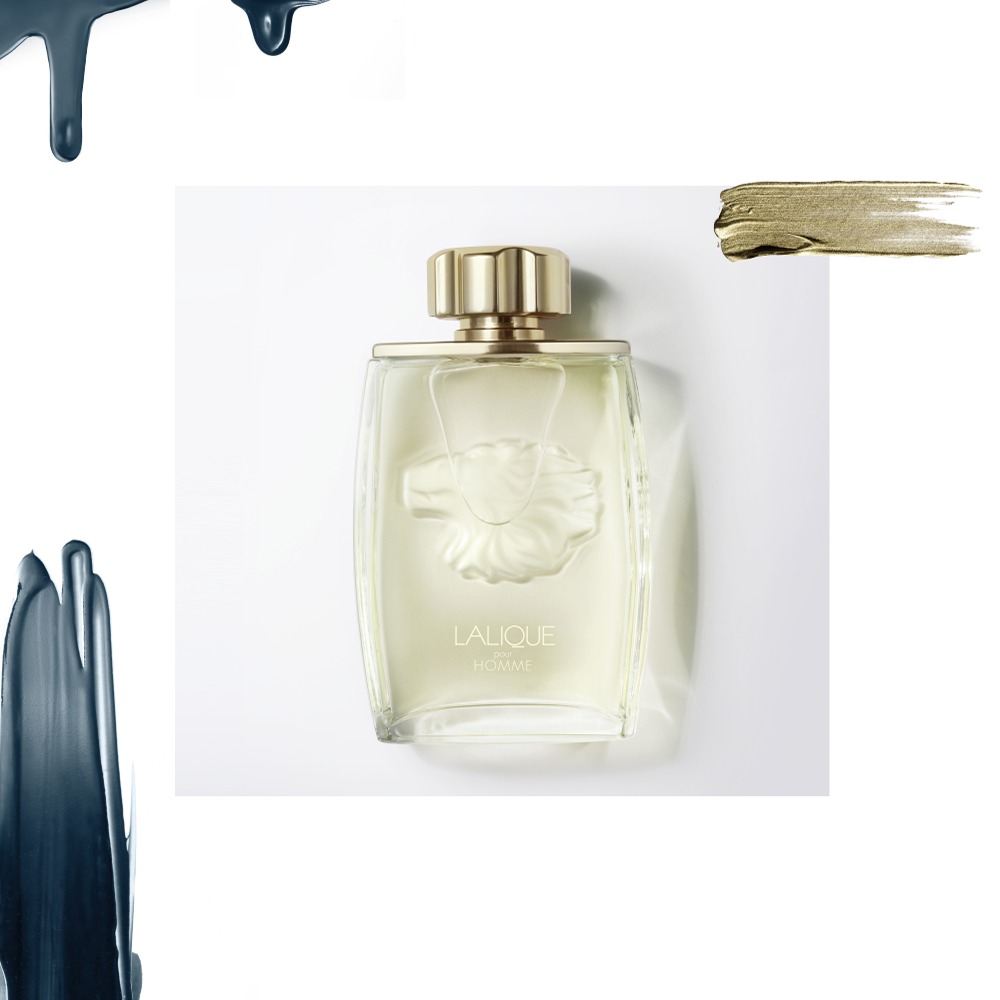
Lalique Pour Homme EDP (1997)
Gucci Envy EDT (1997)
Rochas Man EDT (1999)
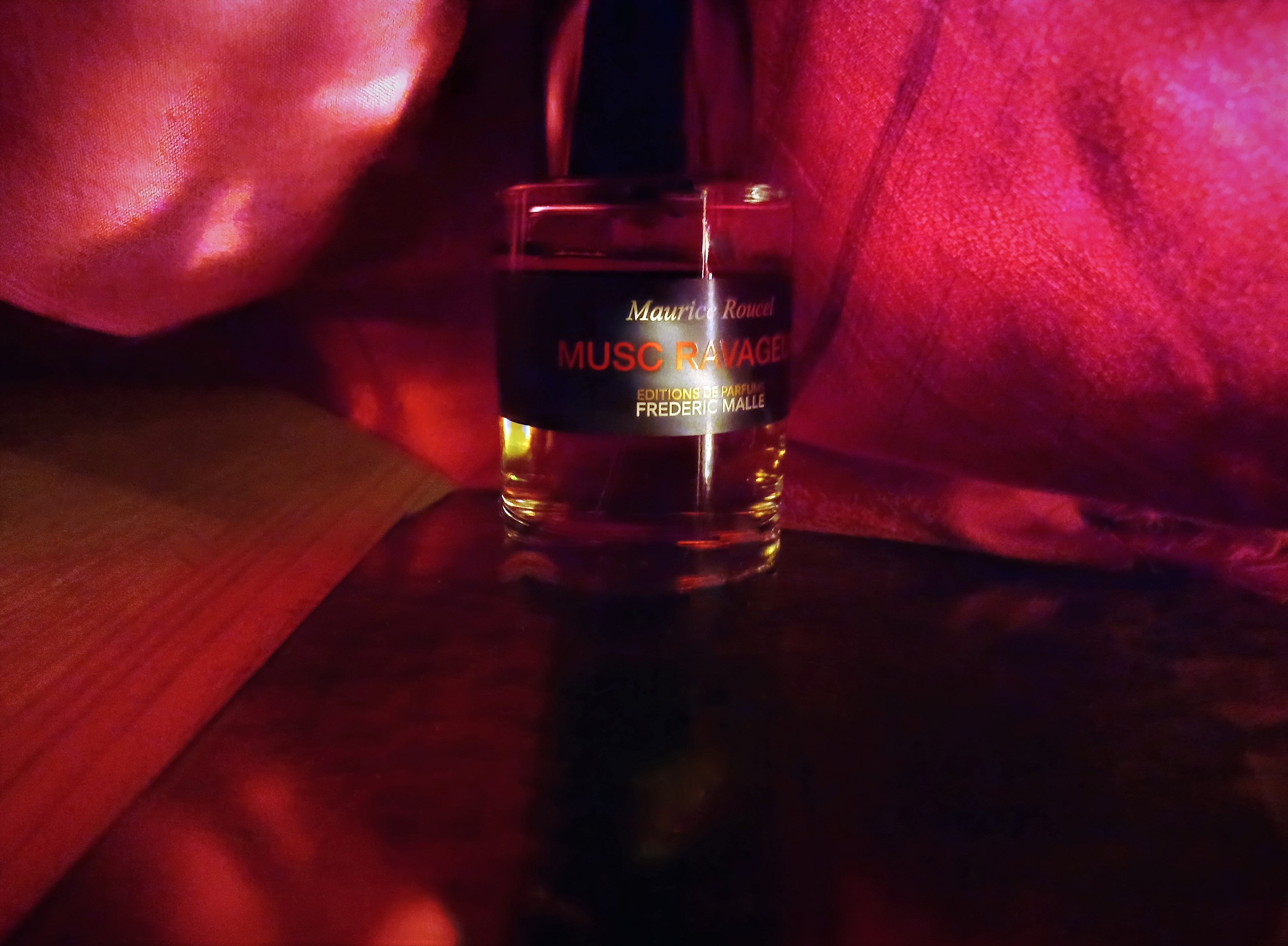
Frédéric Malle Musc Ravageur EDP (2000)
Bond No 9 New Haarlem EDP (2003)
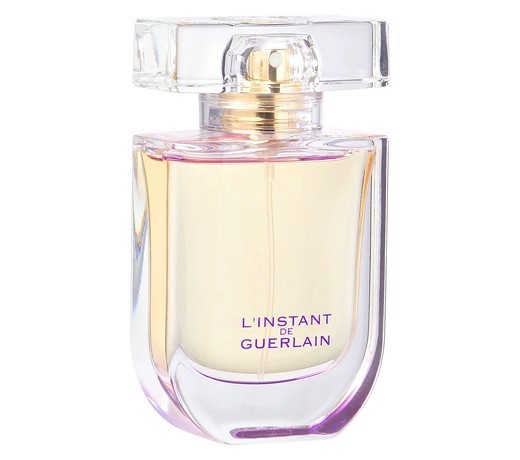
Guerlain L’Instant de Guerlain EDP (2003)
Donna Karan DKNY Be Delicious EDP (2004)
Lolita Lempicka L de Lolita Lempicka EDP (2006)
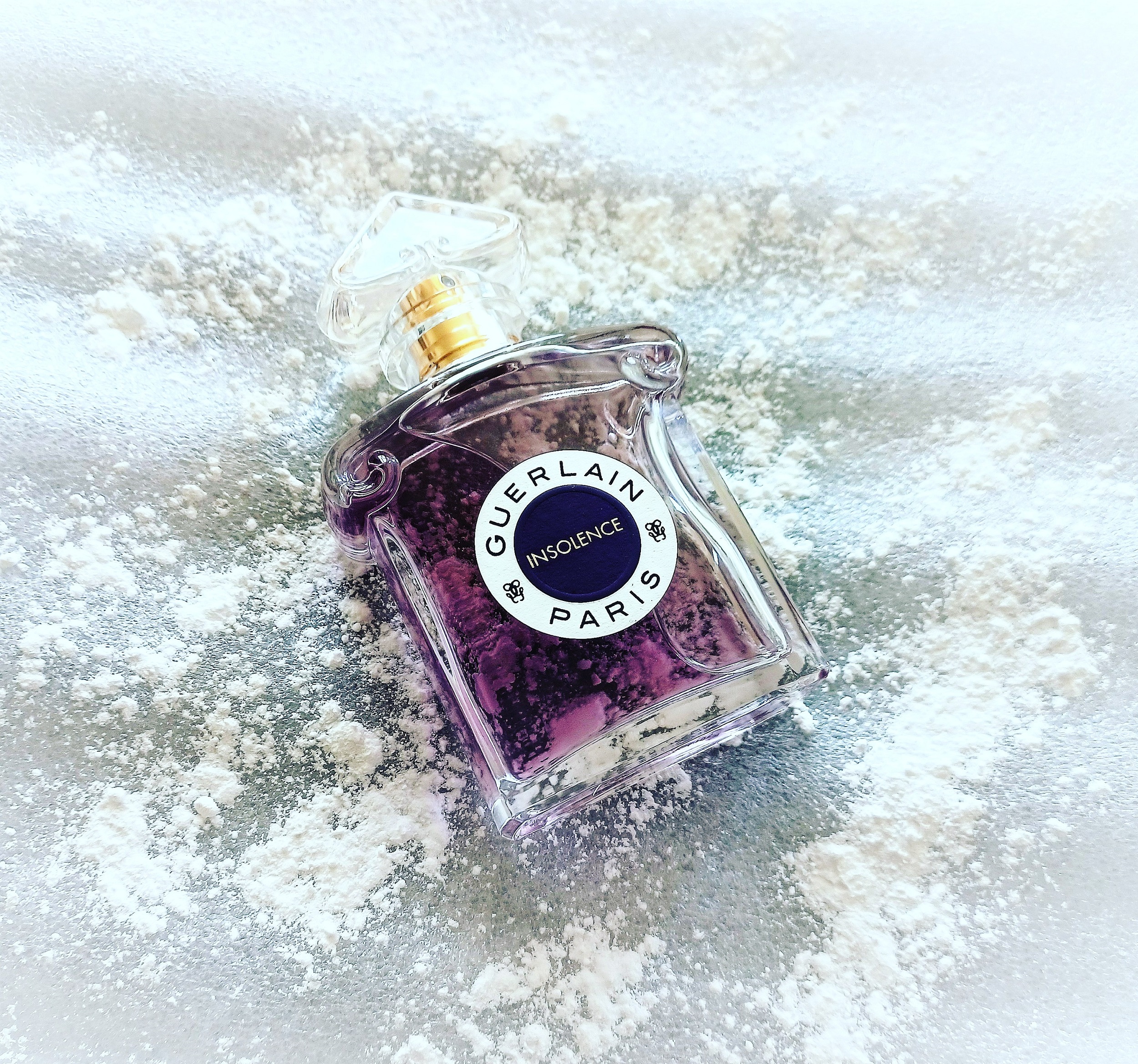
Guerlain Insolence EDT (2006)
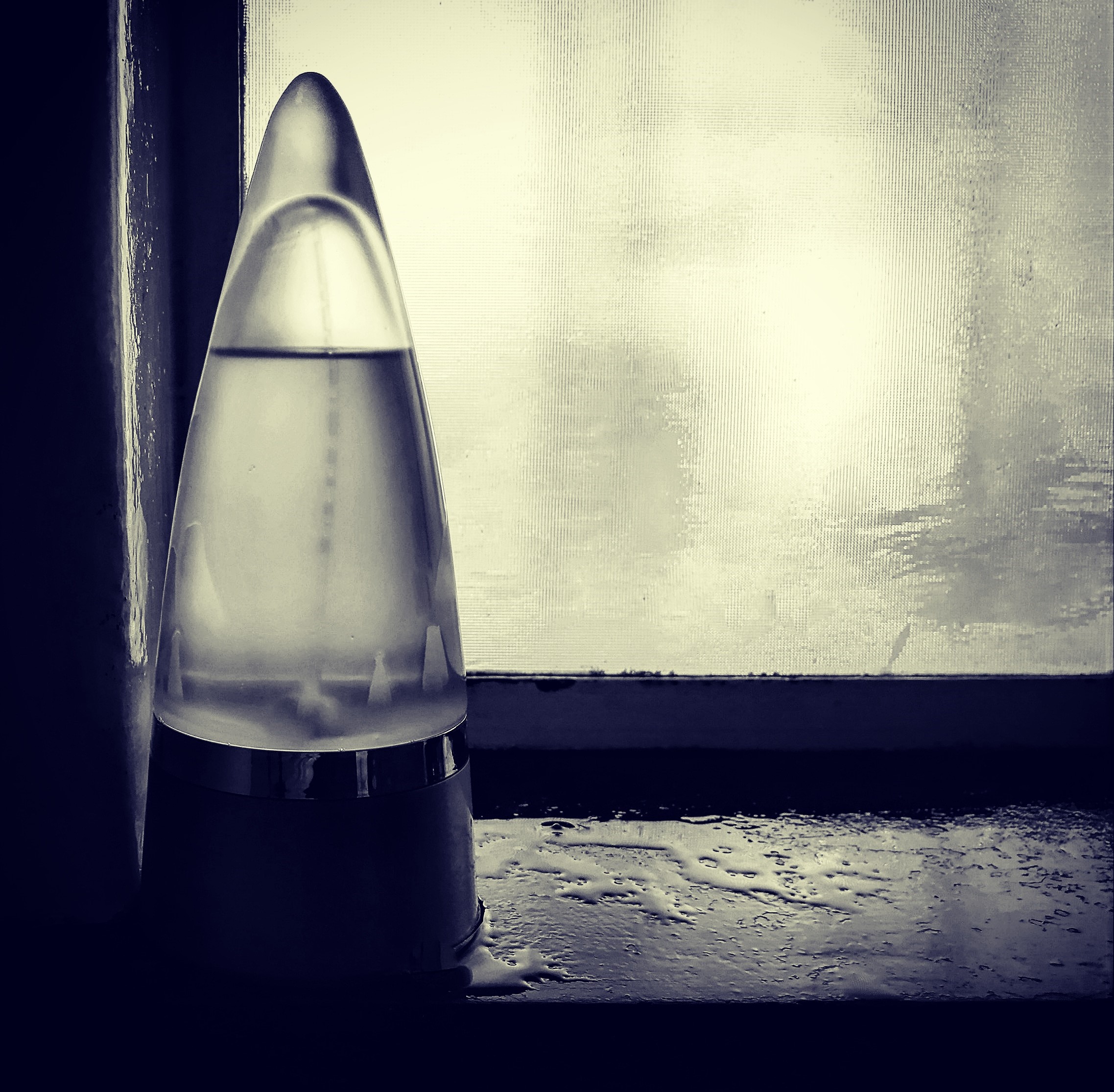
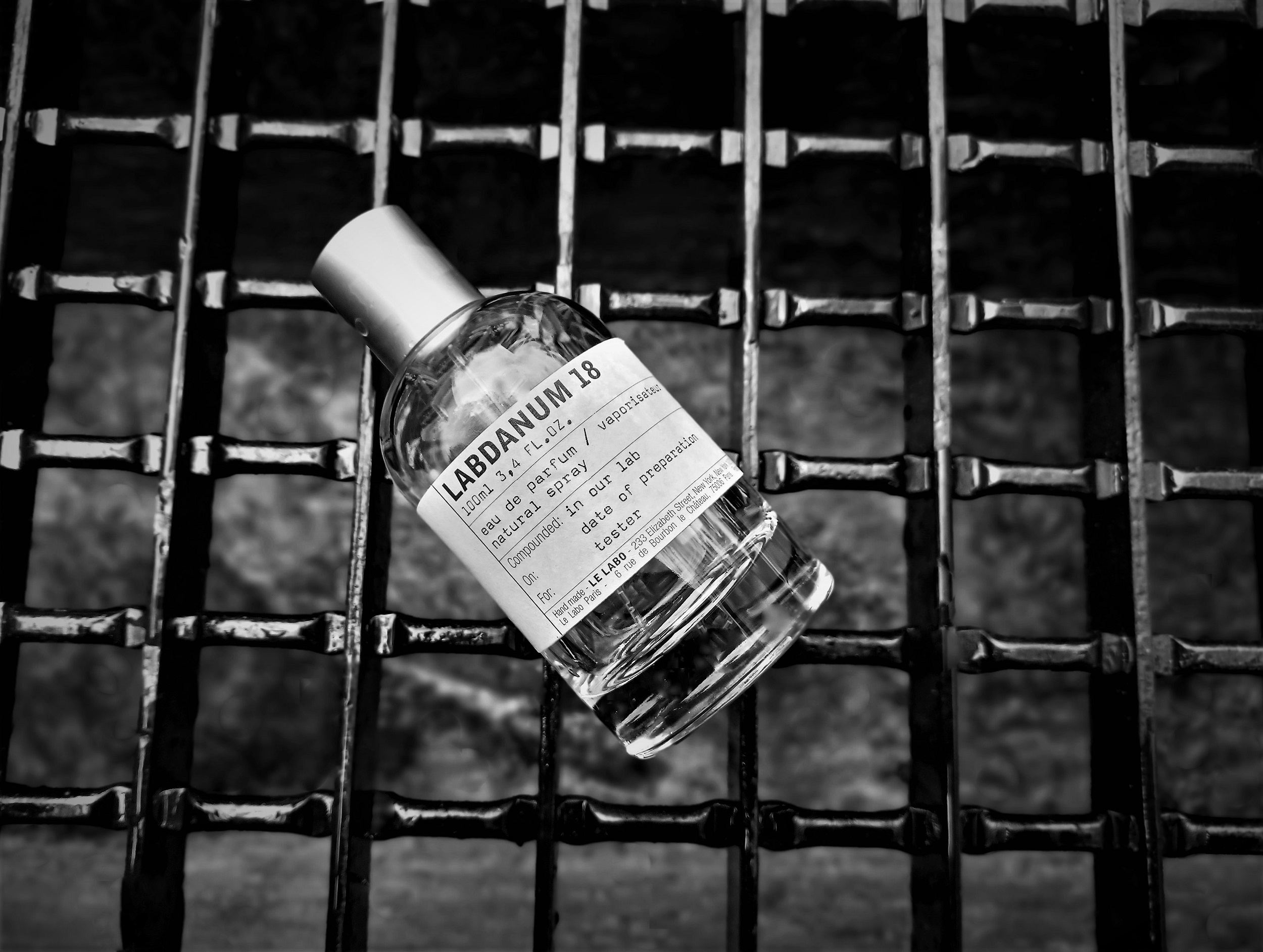
Le Labo Labdanum 18 EDP (2006)
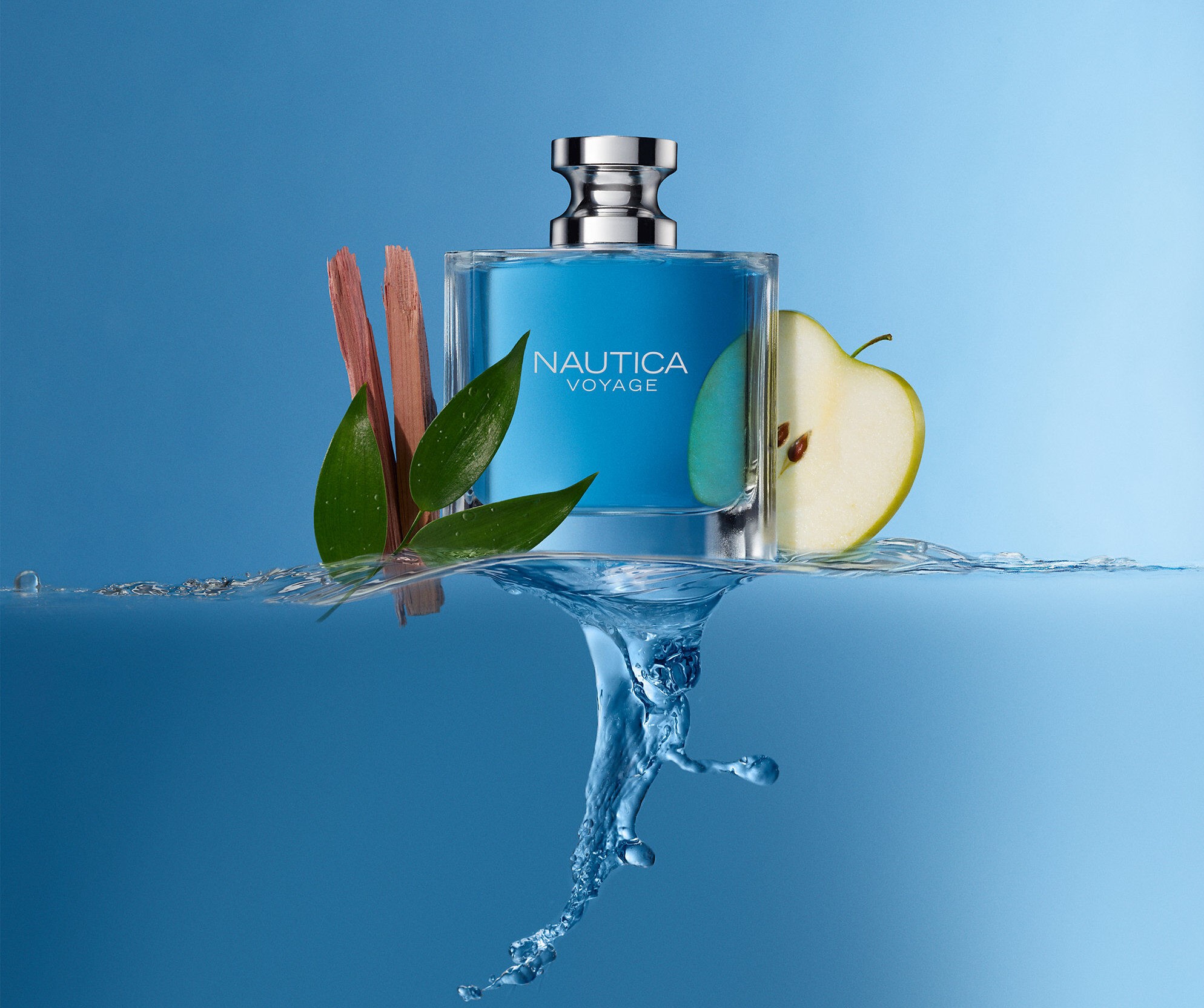
Nautica Voyage EDT (2006)
Amouage Reflection Woman EDP (2007)
Lancôme Hypnôse Homme EDT (2007)
Frédéric Malle Dans Tes Bras EDP (2008)
More recently, he has given niche brands such as Atkinsons, Cochine, Maison Rebatchi and Shalini his distinctive Gallic flair.
Maurice Roucel didn’t go the traditional route of perfume school. Starting at Chanel in 1973, where he worked with Henri Robert (creator of No 19 and Cristalle, pictured below), he taught himself the fundamentals of the profession. No doubt, his background as a chromatography chemist, with its techniques of separating a mixture into its individual components, gave him a technical edge.
IMAGE: Chanel.
His earliest fragrances included Henry M. Betrix Country EDT (1979) and Krizia K de Krizia (1981). In 1996, he joined the German fragrance and flavour company Symrise, which recognised him as a master perfumer – a rare accolade in the industry. Other achievements include the Prix François Coty (2002) and the Chevalier des Arts et des Lettres (2012).
IMAGE: Fragrantica.
When we get to chat properly, the Normandy-born, Paris-based perfumer is humorous, insightful and forthright. I try to find out what project he’s currently working on – rightly so, he insists it’s confidential. Instead, we talk about a wide range of subjects, including synthetics, ambers, keeping clients happy and approaching his latest career milestone.
Hope you enjoy reading this Maurice Roucel interview as much I did speaking with him.
IMAGE: Symrise.
You’re self-taught. How many years did it take before you knew the essentials?
[Laughs] I’m still learning. You always do in this business.
Musk seems to be one of your favourites. Why does it appeal so much to you?
Ah yes, I like musk, but I like to work with a lot of things. I don’t have a particular favourite.
“I like musk, but I like to work with a lot of things. I don’t have a particular favourite.”
While I must work to the ideas of client briefs, which are quite specific, personally I do enjoy something with the structure of musk, vanille [vanilla], ambery, sweet but not too sweet, comfortable. A little bit of the style, I would like to say, of Guerlain, Guerlinade [the house’s signature accord originally created by Aimé Guerlain in the late 19th century].
You mentioned amber. There’s a lot of confusion about it…
At the beginning, ambergris came from the sperm whale. Nowadays, it’s frankly impossible. With animalics increasingly forbidden, you have synthetics or bases – perhaps you’ve heard of Ambre 93 from de Laire, for example.
You have sweet amber and dry amber. The product Ambroxan is dry ambery. When you are looking at the perfumery of Guerlain, the famous Guerlinade, it could be seen as ambery, but nothing to do with the original amber [laughs].
Ambre 83 from de Laire tries to add something comfortable, reassuring, feminine, enveloping, that kind of stuff.
Perfumery relies on a mix of naturals and synthetics…
DKNY Be Delicious is totally synthetic.
And it’s great…
Yeah, it’s great, but it’s a question of the art of the perfumer to make something smell good.
How do you deal with the idea that “natural is best”?
It’s not the case. If you want to give the DNA of your perfume strong character, you need to use synthetics.
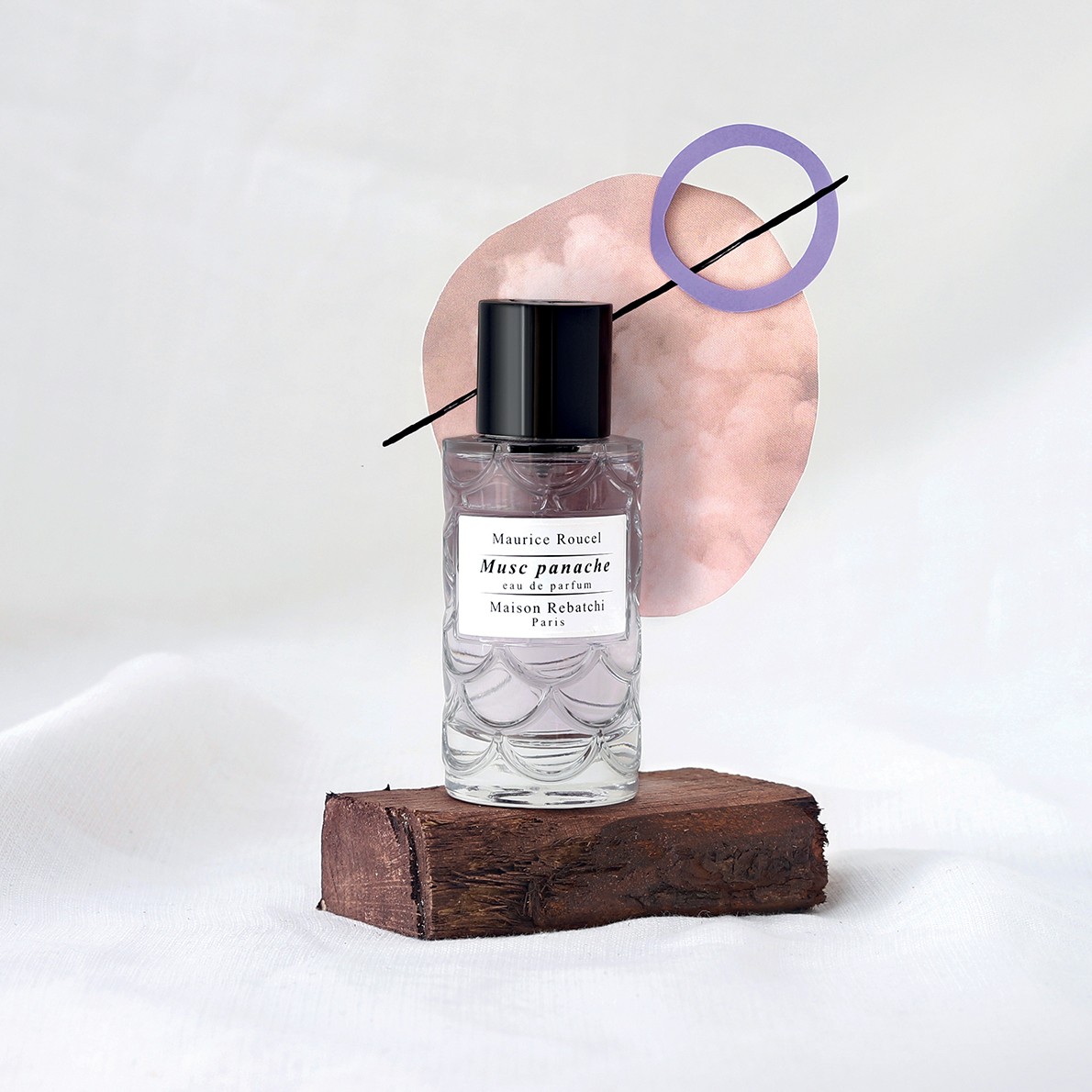
PERSONAL PERFUME: In this Maurice Roucel interview, the perfumer reveals that Maison Rebatchi Musc Panache was initially created for himself. IMAGE: Maison Rebatchi.
You’ve created more than 150 perfumes in your career. Have you ever struggled with self-doubt or to come up with ideas or inspiration?
Maybe, I don’t know, I never count them.
Sometimes it’s difficult to find the right idea, for sure. But when you have it and it’s pleasing the client, we can work it for creating properly. Sometimes you can create something in one afternoon, as they say, sometimes it can take five to six years.
IMAGE: Nautica.
Hermès 24 Faubourg is one of my favourite creations of yours. It’s such a beautiful classic…
You know, originally I was not a fan of orange flower absolute, not my cup of tea. I was thinking at that time, the brief from Hermès was to create something around the Mediterranean, the sea, the sun. For me, Mediterranean countries mean orange flower, so that’s why I chose to work with it.
“It took four to five years to create the perfume. The people from Hermès are quite picky.”
And it took four to five years to create the perfume. The people from Hermès are quite picky. They are very demanding [chuckles]. When you have the scarves, the leather, everything is absolutely gorgeous, focused and very high quality.
Let’s talk about one of your more recent creations, Maison Rebatchi Musc Panache EDP [2019] which, coincidentally, I’ve just received from the company. Love its soft powderiness…
Originally, it was a perfume I created for myself. These ideas can then be proposed to a client and if they like it, they can then take it [laughs].
PERSONAL PERFUME: In this Maurice Roucel interview, he reveals he initially created Maison Rebatchi Musc Panache for himself. IMAGE: Maison Rebatchi.
Do you have lots of these ideas waiting to be realised?
For example, you know, when I was, not so far from you really [I’m in Johannesburg, South Africa], in Réunion Island, I never smelled anything so beautiful in my life as the tiaré. So I was inspired and that became L’Instant de Guerlain.
IMAGE: Guerlain.
Is that how you find inspiration often? By travelling?
Inspiration can come from everywhere. Like with DKNY Be Delicious, I thought why not an apple, but an apple in my style. I like to add something different.
Are there certain compromises you’re not willing to make when working with a client?
Pleasing the client, that’s okay. But I’m always in control of my formulas, trying to please my client – and myself.
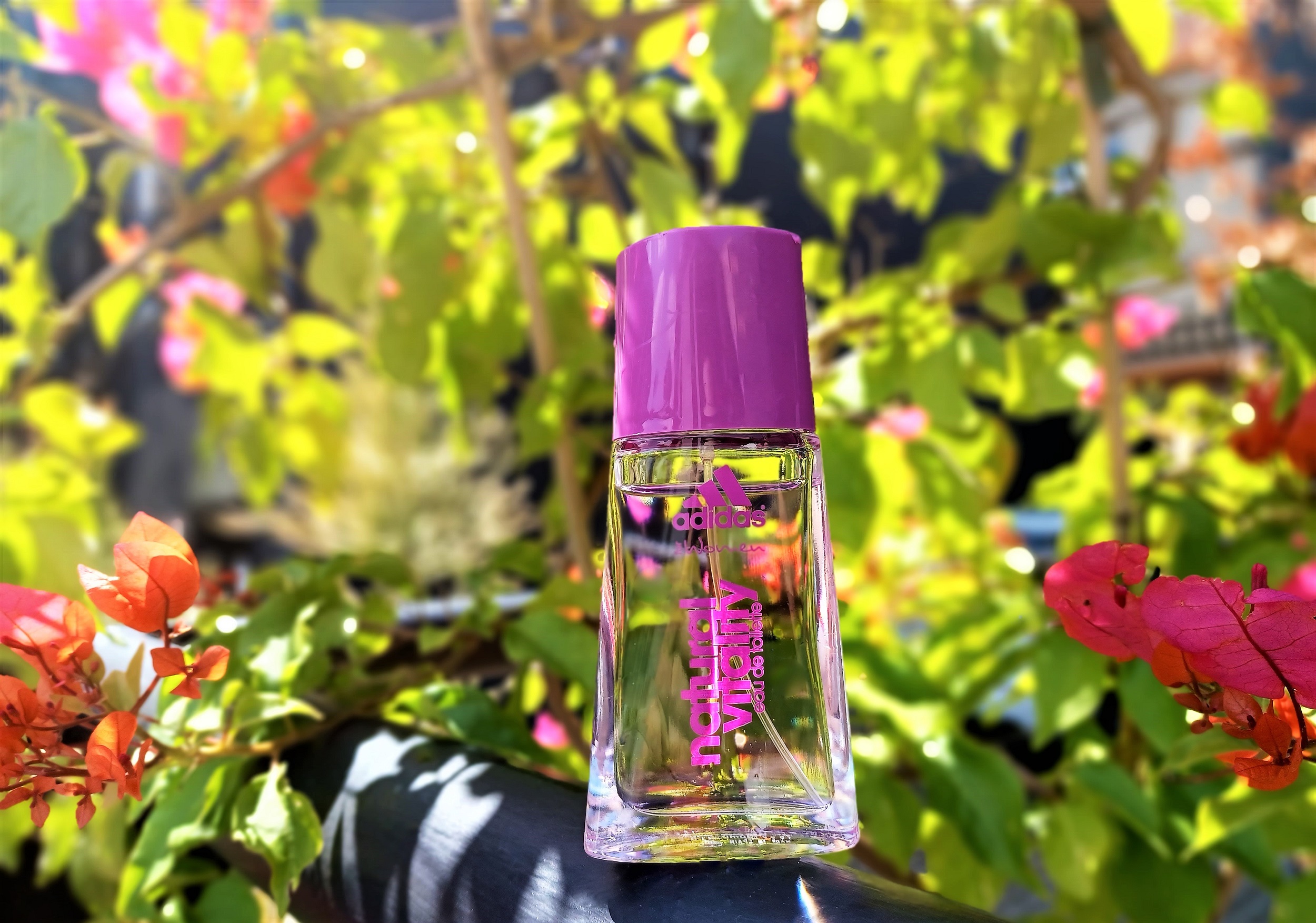
Going back to fruity fragrances, I discovered one of your less well-known creations from 2008, Adidas Natural Vitality EDT, on Fragrantica.
Which one? Is it me? Sorry, I don’t remember all my perfumes.
You’re heading for 50 years in the industry in 2023. What’s been the biggest change in that time?
Yes, it’s a long life, a big part of my life.
When I started there were 20 to 30 maximum new perfumes on the market every year. Nowadays it’s 3 000 [laughs]. Everybody wants to launch a perfume.
To have a success, you need to move to the big trend. When Mugler Angel was launched [in 1992] it was not appreciated at all for its innovation. Three years later, a lot of people were making the sister, the nephew, the mother, the grandmother of Angel.
“A lot of perfumes don’t have strong inspiration. They do not stay in the memory as they have nothing specific.”
Meaning that a lot of perfumes don’t have strong inspiration. Investment in them is not in their quality but more the communication and publicity and so on.
You have a lot of perfumes on the market for one year, two years maximum. They do not stay in the memory as they have nothing specific.
Niche has some kind of answer to the desire of the client for something peculiar.
IMAGE: Lalique.
What one thing would you like to see change in the industry?
A partnership with the client. And not everyone trying to win the brief. For winning you need to be commercial, which is a pity for creativity.
But when you are working with somebody like Frédéric Malle, some companies like Chanel, Guerlain, you can find people in front of you who have a sense of perfumery at the right level.
All images for this Maurice Roucel interview my own, unless stated otherwise.
Fragrance nerd alert! Did you know that the first designer to launch a perfume was Paul Poiret (pictured, below)? The Parisian couturier founded his company, Parfums de Rosine (named after his daughter), in 1911. It enjoyed considerable success until it was forced to close when the Great Depression hit in 1929.
Image: Les Parfums de Rosine.
The house was brought back to life in 1991 when Marie-Hélène Rogeon (pictured, below) acquired it, with a focus on roses. Since then, the brand has become renowned for its quality takes on the queen of florals.
Image: Les Parfums de Rosine.
I speak to artistic director Louis Rogeon about balancing heritage and innovation, the versatile appeal of roses and the house’s latest release.
What’s your designation at the company and what does it involve?
We are an independent company with a jack-of-all-trades team. My role is mainly that of artistic director. I take care of product development: concept, packs and visuals, as well as olfactory creation.
Condolences for your mother’s death last year. Have you taken on more responsibilities since her passing?
Thank you so much. I obviously cannot replace her. She has been the soul of this perfume house for over 30 years and a pioneer in niche perfumery.
Of course, I am taking on new tasks, particularly closer relationships with our various partners and in the administrative follow-up of the company.
We are a small team but overflowing with passion. Everyone has stepped up their work since this sad event.
Image: Les Parfums de Rosine.
The company was originally founded by couturier Paul Poiret. What made it such an attractive investment?
The main attraction lies in the fact that our family worked for the Poiret house in the 1920s. They mainly collaborated in the packaging of perfumes. There was therefore a clear lineage. My mother grew up in this universe. As a child at home, there were many old bottles, trimmings and other illustrations dating back to that time.
“The figure of Paul Poiret fascinated her. He was an avant-garde with boundless creativity.”
The figure of Paul Poiret fascinated her. He was an avant-garde with boundless creativity. Not many people know it, but he was also the first couturier to create his own brand of perfumes.
Image: Les Parfums de Rosine.
Reviving a brand isn’t easy, even one with such an illustrious heritage. What were the greatest challenges at the time of acquisition?
Surprisingly, the acquisition of the brand was easy. The descendants were sensitive to the idea of my mother and to the fact that this perfume house could come back to life.
The main challenge then was to recreate a concept from this heritage. For several years, the brand was a mono-perfume, with La Rose de Rosine (pictured, below) as the only reference. It was only gradually that my mother developed the idea of a brand based around the concept of the rose.
Image: Les Parfums de Rosine.
How do you maintain the balance between respect for heritage and contemporary innovation?
Things are done quite naturally. In their presentations, our products borrow from the brand’s Art Deco past, notably with our logos: the “R” and the double rose. The trimmings – in different forms – have also been preserved.
Then, in stages, our products evolved to be innovative: coloured bottles appeared, accompanied by more contemporary packs and visual universe.
The perfumers with whom we collaborate have also participated in this dynamic. They are all young noses which spontaneously created a contemporary perfumery.
All Les Parfums de Rosine perfumes have a rose theme. Is that ever limiting for the perfumers you collaborate with?
Not at all. All our creations have a trace of rose but ultimately few are worked like real rose scents. Only La Rose de Rosine and Rose Nue (pictured, below) can be considered soliflores. At the same time, they are two fragrances of great complexity with multiple facets.
Our collection covers all olfactory families, with woody, fruity, citrus, marine fragrances, etc. In most of our creations, the rose is present as an element that expresses the olfactory signature of our brand. The rose is above all a delicious, elegant and timeless raw material which gives a lot of roundness and richness to the perfumes.
Image: Les Parfums de Rosine.
Let’s talk about your latest release, Bulle de Rose, created by Serge de Oliviera. What makes it different from other perfumes from the brand?
Bulle de Rose is a powdery fragrance that revisits, with freedom and modernity, the legendary note of Camay soap. Its originality remains in its construction: it is a fragrance that is both fresh and opulent. The base notes – sandalwood, patchouli, Ambroxan – may make one imagine a “heavy” fragrance, yet it remains sparkling and radiant with an impression of cleanliness given by the soapy accord.
Serge de Oliveira has created a number of fragrances for the brand. Why do you enjoy working with him?
Serge is a perfectionist. The pleasure we have in working with him is simple and natural because he spontaneously understood the DNA of our brand. The exchange is therefore very pleasant. He is a creative young perfumer, with an immense culture of perfume.
We have already developed four fragrances together. The first was Bleu Abysse, in which he mixed mineral and iodine notes with a background of oud. This is certainly the first time that a perfume has dared to go with this accord. He blew us away from the start!
Image: Les Parfums de Rosine.
How you prefer to work with your perfumers? Are they given a tight brief? Or is there lots of room for interpretation?
It’s a mix of the two. Although our briefs are quite precise, we like perfumers to feel as free as possible in their creations.
We love nothing more than being surprised. Then the dialogue takes place (sometimes over the long term). It is during this exchange that the most beautiful creations come to fruition.
What can we look forward to in 2022 from Les Parfums de Rosine?
I cannot say much because we are planning some important novelties for the brand and this work remains confidential for the moment…
Order Les Parfums de Rosine fragrances from the brand’s website.
“If I had a middle name, it would be Ambrox, the sexiest molecule alive,” says Ilias Ermenidis with characteristic humour. This ability to see the lighter side of things has served the perfumer well in his career that spans more than three decades and several countries.
“If I had a middle name, it would be Ambrox, the sexiest molecule alive” – Ilias Ermenidis
Ilias Ermenidis was born in Istanbul, Turkey, and was exposed to the world of perfumery at his father’s factory there. After graduating from perfume school and joining Firmenich (the Swiss fragrance and flavour business), he spent 10 years living between Paris and Geneva. He then spent 25 years in the company’s New York office before returning to Paris in 2019.
Image: Firmenich.
In this time, he’s earned the respect of both the industry and fragrance fans with his finely tuned technical and creative skills in a variety of genres. His résumé of creations includes:
+ Byblos EDP (1990)
+ Oscar de la Renta So de la Renta EDT (1997)
+ Victoria’s Secret Heavenly EDP (1999)
+ Givenchy Pour Homme EDT (2002)
+ Avon Treselle EDP (2003)
+ Vera Wang Princess EDT (2006)
+ Gucci by Gucci EDP (2007)
+ Jay Z Gold EDT (2013)
+ Michael Kors Extreme Blue EDT (2015)
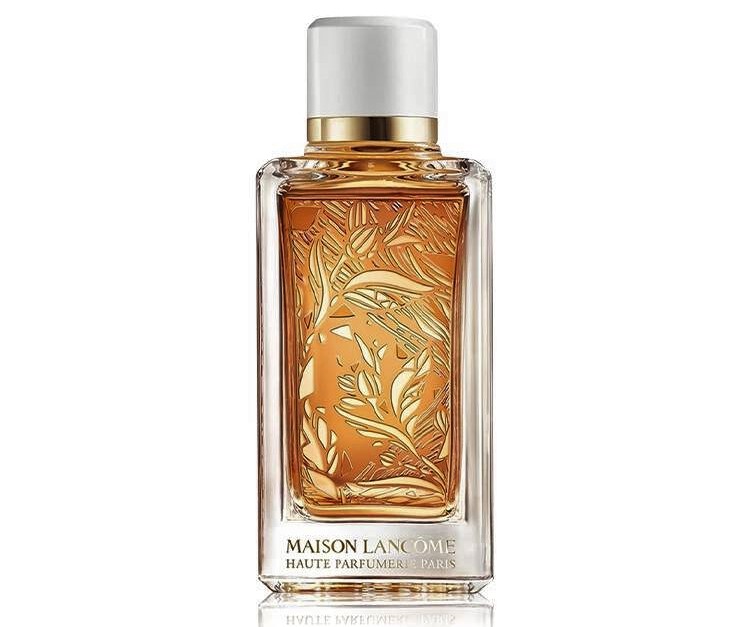
+ Lancôme Oud Ambroisie EDP (2016)
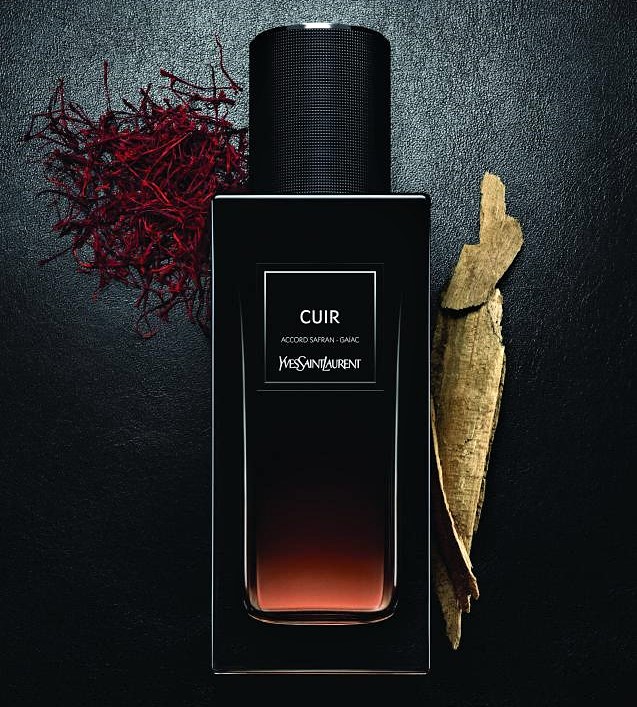
+ Yves Saint Laurent Cuir EDP (2016)
+ Calvin Klein Obsessed For Men EDT (2017)
+ Amouroud Oud Tabac EDP (2018)
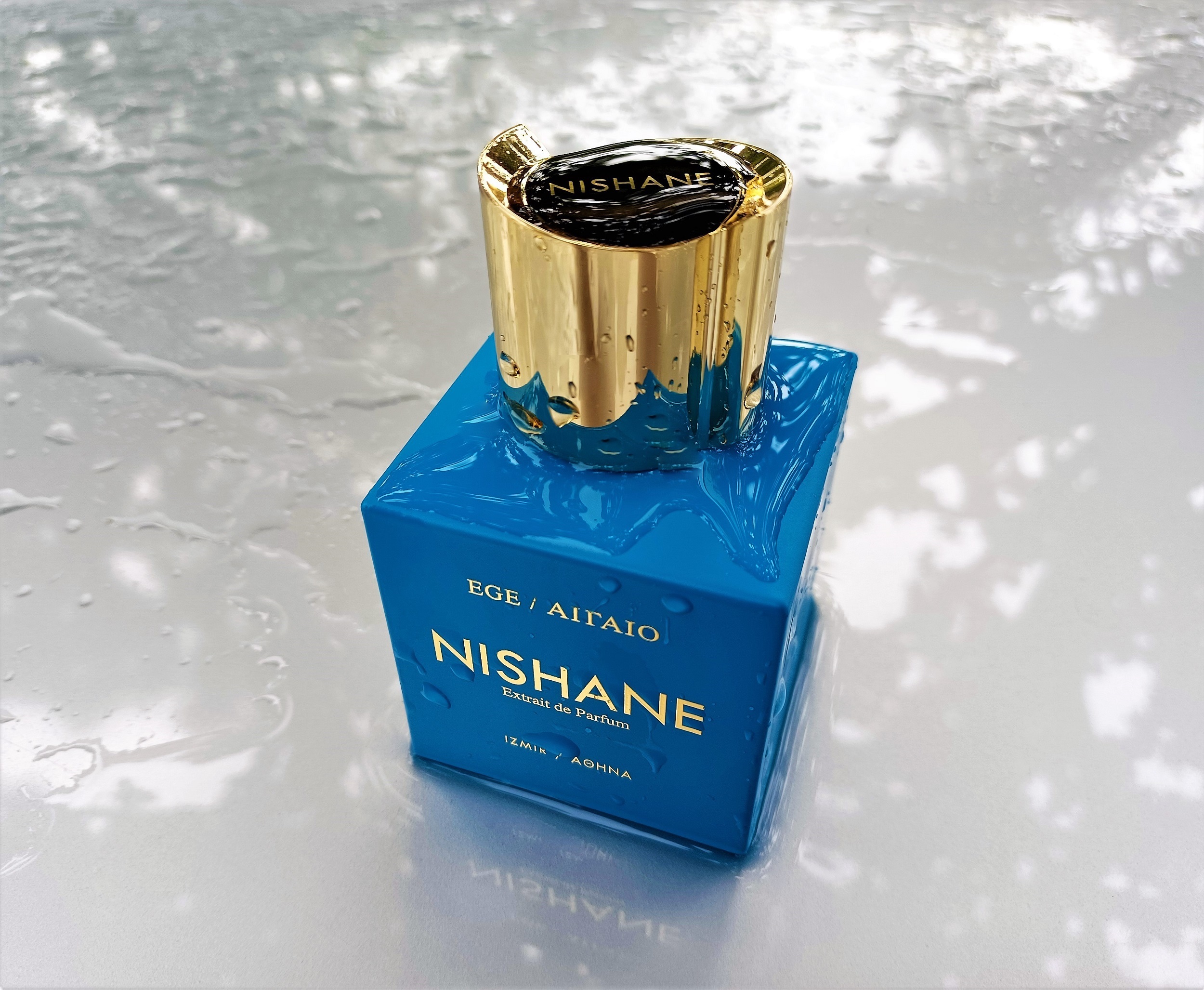
+ Nishane Ege Aigaio Extrait de Parfum (2020)
+ Kayali Invite Only Amber 23 EDP (2021)
We chatted about his career, how he works and recent projects.
You worked at your father’s fragrance and flavour factory as a young man. How did that prepare you for the world of perfumery? Was it a given that you’d become a perfumer?
No, it wasn’t. I knew I wanted to work in the fragrance industry later, but it wasn’t until I did my first internship at the Firmenich compounding facility in Geneva, Switzerland, in 1981. And it was immediately after I started studying perfumery that I decided to become a perfumer.
Image: YSL.
Where did you study? And what do you value most from that experience?
I studied at the ISIP (Institut Supérieur International du Parfum) in Versailles, France. This was one of the most defining events of my life – not only did it spark my passion to become a perfumer, but I also met my future wife there.
Image: Gucci.
What was your first perfume and how does it reflect your style?
My first fine fragrance, Byblos, launched in Italy in 1990, still reflects my love of transparent- and Mediterranean-style notes.
Image: Byblos.
How do you prepare for a perfume project?
With enthusiasm and in search of new emotions to share with inspiring clients that allow you to create something beautiful together.
Even with all your experience, what aspect of perfumery do you struggle with most?
It is by far one of the most competitive métiers in the world. You need some humour, some philosophy and thick skin most of the days.
Image: Lancôme.
Tell us about a Firmenich captive molecule you’re particularly excited about and how you’ve used it in one of your recent creations.
There are so many that I cannot talk about, but if I had a middle name, it would be Ambrox, the sexiest molecule alive. My most recent creation where it’s part of the addictive signature is Kayali Invite Only Amber 23 EDP.
Image: Huda Beauty.
Did your Greek heritage help in the creation of Nishane Ege Aigaio Extrait de Parfum, which is inspired by summer holidays on the Aegean Sea?
Of course, absolutely. Anything and everything that has to do with my Hellenic heritage and my birthplace of Istanbul is close to my heart and an inexhaustible source of inspiration. But I must admit that the ingredients I imagined for this creation are less typical, more unexpected.
I see from your Instagram you’ve recently finished working on the relaunch of Kylie Minogue Darling. How is this one different from the Thierry Wasser original from 2006? What can you tell us about the star’s perfume preferences?
The new version, although olfactively related to the original, is significantly more woody, ambery and intense with a touch of modern gourmandise. The only thing I can tell you is that Kylie, just like me, adores Ambrox!
Image: Kylie Minogue Perfumes.
You have lots of experience with Brazilian and Middle Eastern clients. What are the key developments in these major markets?
These are two very different markets by olfactive standards and the number of clients present, much more numerous in the Middle East. Both markets are booming since September, with the Middle East super booming.
What gets you through a particularly stressful project?
I feel grateful to practice my beautiful craft every day surrounded by trusting colleagues and clients. Confidence is my fuel to keep good spirits through some of the most stressful and particularly long projects.
Image: Calvin Klein.
How do you celebrate your successes?
I send a picture of the bottle to my family as soon as I get one in my hands, and nothing beats that moment.
What do you get when you combine the knowledge of a perfumer (Sarah McCartney, founder of 4160 Tuesdays) and a fragrance blogger (Samantha Scriven, iscentyouaday), both award-winners in their fields? It could only be the recently published book, The Perfume Companion: The Definitive Guide To Choosing Your Next Scent (Frances Lincoln).
Image: The Quarto Group.
Most of us know how daunting choosing a new fragrance can be. With an estimated 2 000+ launches every year, we’re confronted with a plethora / deluge of choice. The industry also does itself and consumers no favours by misleading us with myths (“natural is best”) and manipulative sales techniques.
And that’s where this well-written and often-humorous guide is so useful. True to its title, like a good friend, The Perfume Companion will point you in the right direction and correct you when necessary with no-nonsense facts.
“Like a good friend, it will point you in the right direction and correct you when necessary with no-nonsense facts.”
The book is divided into user-friendly fragrance types – for example, citrus, floral, woods. There’s also essential info on the history of perfume, ingredients, sense of smell and longevity, among others.
Image: The Quarto Group.
While there’s no surprise to see the inclusion of iconic fragrances such as Chanel No 5, Robert Piguet Fracas and Dior Eau Sauvage, the diversity of featured scents, from cheap ’n cheerful to blow-the-budget, appeals most to my non-snobbery approach.
I chatted with the authors about scent shopping tips, synthetics vs naturals and why cheap is good.
All the perfumes featured in this post are included in The Perfume Companion: The Definitive Guide To Choosing Your Next Scent.
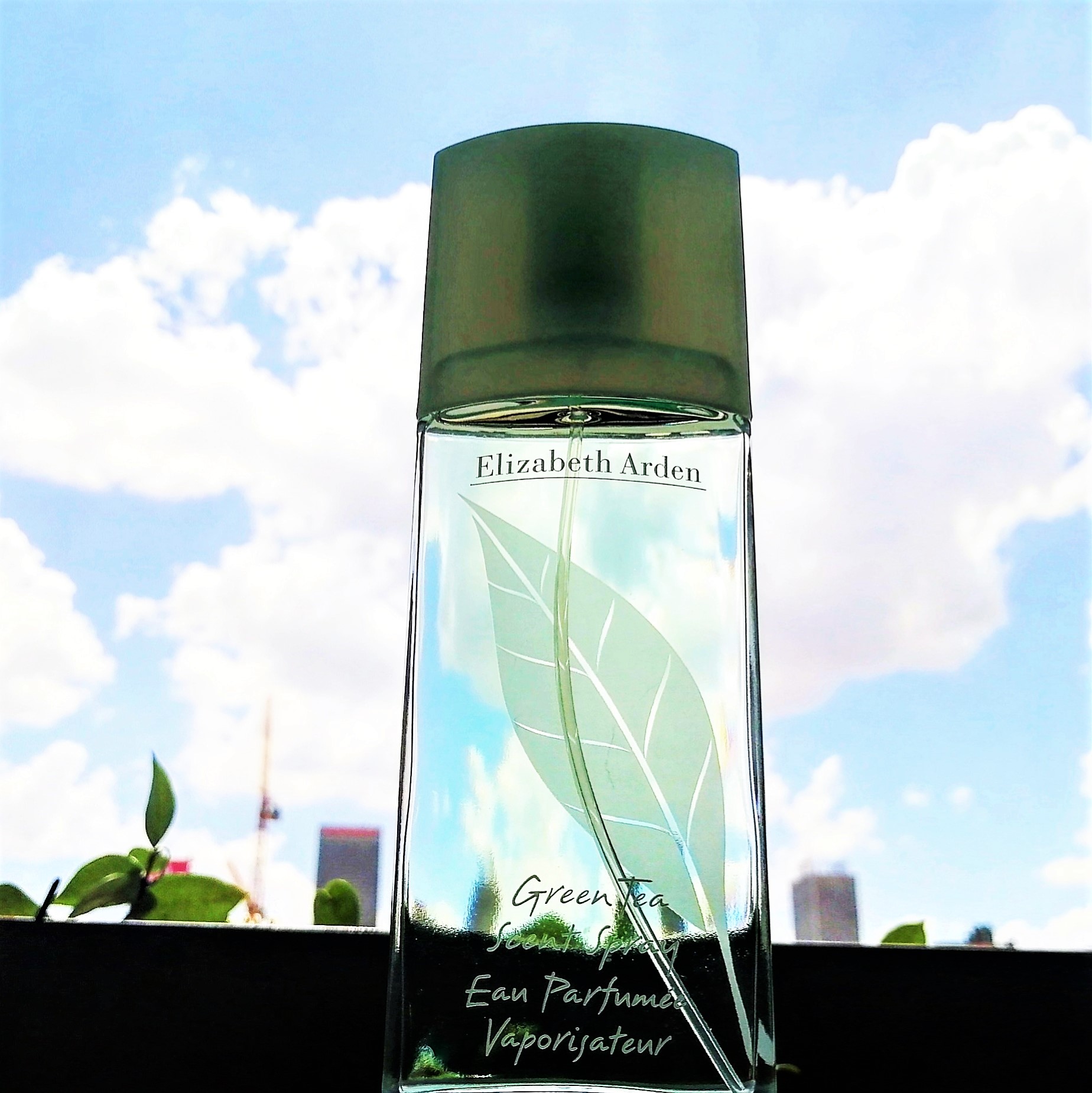
TEA-RIFFIC: Elizabeth Arden Green Tea is one of the many budget-friendly scents to be found in The Perfume Companion.
How did this book project come about? Please give us some background.
Sarah:The Perfume Companion was a long time in the preparation. I was asked to write a proposal, and it was handed around the Quarto publishing organisation several times before the Frances Lincoln department took it up.
After producing the proposal, I wasn’t expecting to be asked to write the whole book and at first, I turned it down as I couldn’t see how to fit it into my life. I asked Sam if she would be interested in helping out, and off we went.
INSIDER INFO: Sarah McCartney is the founder of 4160 Tuesdays.
What makes your book different from the others on the market?
Sam: You’ll find zero snobbery, zero negativity and something for all budgets. There’s no male/female section because we believe anyone can wear anything.
It was important to us to be kind and we didn’t want to insult anyone else’s favourite. If you want to find negativity about a perfume, you can usually find it somewhere online. We wanted The Perfume Companion to be a feel-good happy place.
AWARD-WINNING: Samantha Scriven is the talent behind the blog I Scent You A Day.
Sarah: The original idea was to take a fragrance that was pretty well known for each category, and to introduce people to a wider selection of scents of that style: the luxury one, an entry level one, and some that they might never have heard of.
As we went on, some were discontinued along the way. There are categories of fragrance that are hugely popular – floral musks and woody ambers – and others with far fewer options, but that was the basic structure.
Image: The Quarto Group.
How did the two of you work together to produce it?
Sam: I live in a small town in south Wales, so I caught the train to London several times to meet Sarah.
We started by visiting perfumeries in London to gauge what we might want to include. After that, Covid happened, so we did everything remotely until November 2021 when we finally met up once again at Sarah’s studio.
Sarah: Many, many emails. I was quite tough on Sam at first because I am accustomed to severe self-editing, after working as a copywriter for 20 years. Sam’s blog posts are far longer and poetically inclined, so I was wielding my word-scalpel to get it down to the word count. I slightly terrified her, but in a constructive way.
I also wanted to get Sam’s genuine voice to sing out of the page, which it really does. I’m more technical so I would pile in and say, “Mate, you can’t write that because while I know that’s what the press release says, it’s not actually…err… true.”
When it came to the crunch, how did you decide which perfumes to include and exclude?
Sam: This was probably the hardest bit and there were many that we wanted to include, but we had 500 perfumes to write about and 14 categories, so we picked perfumes that we thought were important and/or good examples.
Everything we wrote about deserved to be in there. We’re both proud of the fact that none of the brands featured had any idea we were writing about them. We were 100% impartial.
When it came to including Sarah’s creations [from 4160 Tuesdays], it would have been strange not to. If a perfumer is writing a book, you can’t expect them to pretend they don’t make perfume!
Image: 4160 Tuesdays.
The world of perfumery is filled with myths, half-truths and damn creative lies. How can it be simplified for those who don’t have as much experience as the two of you?
Sam: Sarah is my guru on this one. Her introduction in the book busts a lot of myths, especially that natural is always best.
Another thing I feel strongly about is transparency and giving credit where it’s due. We worked hard to research the names of as many perfumers as we could. They deserve recognition.
SHATTERING MYTHS: The Perfume Companion debunks several notions, including “natural is best”.
Sarah: Perfume is complicated. Natural materials are made with hundreds of different chemicals, some of which are harmful to humans, because plants make them as part of their defence against animal attack. This is something that people don’t want to hear, and brands want to keep quiet because getting this message across is difficult, so they don’t bother.
The biggest problem with all cosmetics right now is the unethical marketing which bangs on about “natural” as if it is a code word for gentleness and safety.
The pressure to comply with this narrative is so strong that perfume companies are just giving up and writing idiotic things like “free from sulfates” on the packaging. Sulfates make bubbles; no one ever puts them in perfume, but I get asked, “Are your perfumes sulfate free?” by people who have been bamboozled into believing this tosh is an actual benefit.
“The biggest problem with all cosmetics right now is the unethical marketing which bangs on about “natural” as if it is a code word for gentleness and safety.”
The simplest message: all legit cosmetics companies comply with stringent EU safety laws. The formulas are secret because we are so tired of rip-off artists copying them and we want to make it as difficult as possible for counterfeiters to steal our original ideas.
What are the biggest mistakes people make when shopping for fragrances? What advice would you give them?
Sam: Don’t do what I do and come home with five different perfumes on each arm. I’m always making this mistake and I can never tell which I liked once I’ve sprayed four more over the top.
Also, try your perfume in different weather and temperatures. It can make a dramatic difference. If you spray it on a blotter, write the name of it on there. Discovery sets and samples are the best way to test one at a time. Also, if it smells good on your friend, it might not smell good on you.
Sarah: At least Sam makes it home with scented arms, not a bag full of perfumes.
First, try them on scent strips, then go outside into the fresh air. Sales assistants will try to keep you handcuffed to the coffee beans – which don’t work, they just smell of coffee – but go outside. Go back, choose one for each arm, and spray. Then go outside again. Wander around a bit. Go back again if you like one enough to buy it. If not, go home.
Sales assistants can be too short term about this; they’re drilled to get the sale and not allow the customer to leave the counter before buying at least one. The unpleasant feeling that you’re being shoved into buying something by a combination of coercion and flattery means you’re less likely to visit that store ever again.
I might sound cynical, but believe me, I’ve read the sales training manuals, and I’ve never seen a more manipulative method of psychological control. Resist! Share with your friends, take recommendations, don’t be shoved into paying for something that’s “quite nice” that you’ll regret later.
Perfume is to be treasured and enjoyed. The feeling that someone cajoled you into buying something to make that week’s bonus takes the delight away.
I love that you’ve included great cheapies (Avon, Lynx, Impulse, Jovan Musk) and celebrity fragrances (Sarah Jessica Parker, Elizabeth Taylor) among the more upmarket designer and niche offerings. Why was that important to you?
Sam: I really wanted to be inclusive and to make the point that you don’t have to have a large disposable income or specialist knowledge to enjoy perfume. Even the cheapest of body sprays are made by professional perfumers.
Sarah: I’ve heard people apologise for their perfumes, “I’m sorry, it’s only…” and that shouldn’t be happening. If you love it, you love it. I’ve smelled some fragrances which cost $300 a bottle and I know they’ve been made with the same musks as others that cost $20.
Some inexpensive materials are gorgeous, including essential oils and aroma-chemicals; others are phenomenally costly, also including essential oils and aroma-chemicals. All a big budget does is to give the perfumer a wider range of materials to choose from; it doesn’t guarantee a better fragrance.
Image: Lynx.
You give a fair amount of attention to the role of synthetics. Should the industry be doing more to educate consumers on why these are essential to modern perfumery?
Sam: Absolutely. There’s a lot of fear about chemicals and synthetics, and there needn’t be.
I’ve often been asked if I know of any “chemical-free” perfumes, and I can’t think of anything in the world that is chemical free. Even an apple fresh from the tree has naturally occurring chemicals in it, and they’re not the enemy. I hope Sarah’s introduction clears up a lot of myths.
“I can’t think of anything in the world that is chemical free.”
Sarah: 95% of perfumes are at least 90% synthetics and they have been since the 1890s.
There are some scary people attempting to undermine science these days, implying that something that isn’t “natural” doesn’t deserve a place in their community, and these themes can then be expanded once they have taken hold.
We need more science education all round, and perfumery is a good place to start. Part of the problem is that the perfume marketers have no idea what’s really in their perfumes and if they did, they wouldn’t tell customers. Many people are under the impression that a “notes list” is a list of materials.
As a perfume maker I relish the delights of the stunning aroma-chemicals available to me to help create olfactory wonders, as perfumers have done since at least 1862.
All the major scent trends in the last 150 years have been led by developments in science: violets, lily of the valley, vanilla, the sea air, candy floss – all aroma-chemicals.
We need to banish the fear and free people from concern. I mean, beautiful natural white cedar leaf essential oil is highly restricted because it contains thujone, a deadly neurotoxin. No one mentions how dangerous natural materials can be; it’s not part of the myth.
Thank goodness for brands which are emphasizing the lovely molecules they are using. I adore using naturals, but they can be helped to bloom and radiate by adding synthetics. After they’ve been through a distillery to create essential oils, naturals are missing some of their mojo. Molecules put it back.
Are you planning another book already?
Sam: There are no plans at this moment, but I would very happily write with Sarah again.
Sarah: I’ve almost finished my perfume-making book which demystifies the process for beginners and artisans who have already started to dabble. It’s based on the courses I teach.
Where can The Perfume Companion be ordered from?
Sam: You can order this book from booksellers around the world. Try this link to see where to buy it in your country. We’d love it if you ordered from an independent bookshop.
The numerous awards Jérôme Epinette has earned in recent years speak volumes about his creative and technical expertise. These include Perfume Extraordinaire of the Year for Atelier Cologne Café Tuberosa at The Fragrance Foundation Awards 2018 and Fragrance of the Year – Universal Luxury for Byredo Tobacco Mandarin at The Fragrance Foundation Awards 2021.
Image: Atelier Cologne.
Industry accolades aside, you’ll probably know him for his quality work for a variety of designer, niche and celebrity brands, including:
Olfactive Studio Flash Back In New York EDP (2018)
Zara Vibrant Leather EDP (2018)
Commodity Velvet EDP (2018)
Ariana Grande Thank U, Next EDP (2019)
Guess Seductive Noir Homme EDT (2019)
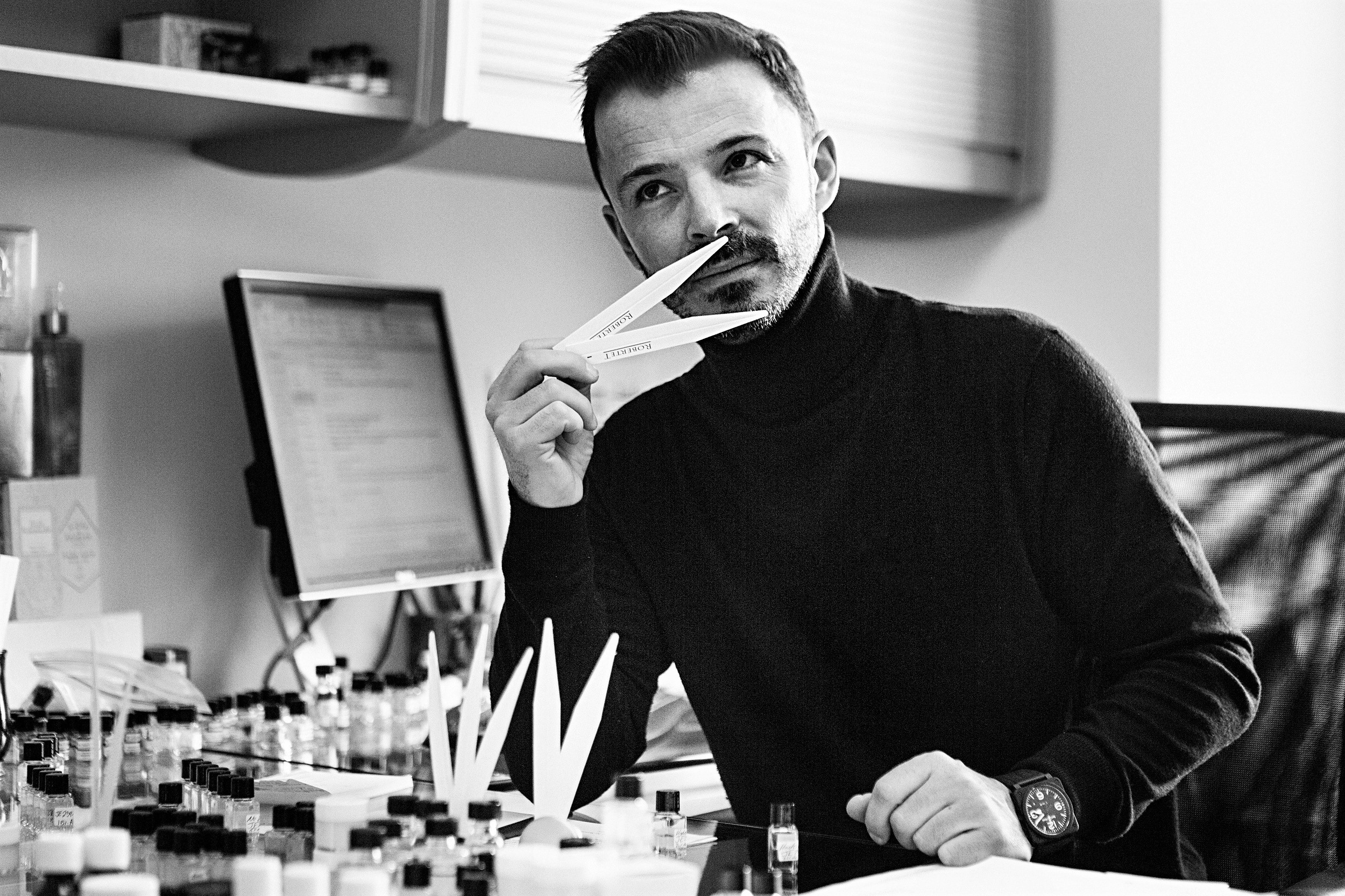
Born and raised in Burgundy, France, Jérôme Epinette joined the French fragrance and flavour company Robertet in 2003 after completing his studies, which included a Master’s in Biochemistry.
His creations for Swedish niche brand Byredo established his perfumer credentials, with other companies quickly lining up to get a piece of his distinctive magic.
Now based in New York City, the 46-year-old speaks to Fragoom about where it all started, his love of woods and working with Ariana Grande.
WHO OR WHAT PLANTED YOUR PASSION FOR PERFUMERY?
My mom, who owned perfumes stores in Burgundy when I was young. It gave me her passion for them and allowed me to discover the world of perfumes.
YOU STUDIED AT THE GRASSE INSTITUTE OF PERFUMERY. WITH HINDSIGHT, WHAT ONE THING DO YOU DO YOU WISH THEY HAD TAUGHT YOU THAT YOU HAD TO LEARN FOR YOURSELF?
I had everything I needed to start there, from discovering and remembering a lot of synthetic and natural ingredients, to visiting fields and factories to understand the harvests and the technology behind them. Experience follows when you join a company.
Image: Guess.
TELL US ABOUT THE FIRST FRAGRANCE YOU CREATED AS A PROFESSIONAL PERFUMER AND YOUR THOUGHTS ON IT NOW.
I created Montblanc Femme Individuelle EDT the first year I joined Robertet [2004]. Michel Almairac, my mentor, helped me realise this first fragrance. It is still relevant, as it was a gourmand chypre, a very popular family as of right now.
Image: Montblanc.
YOU’RE VP FINE FRAGRANCE PERFUMER AT ROBERTET. WHAT DOES IT INVOLVE?
It’s a more global role, making sure all the perfumers have access to internal and external resources. I am now more involved in new processes on naturals ingredients.
IS THERE A DISTINCTIVE JÉRÔME EPINETTE STYLE? OR IS IT MORE ABOUT THE CLIENT BRIEF?
Every single perfumer has their own signature, and it comes from the ingredients they love to use. I am obsessed with woods, so you will find them in almost all my creations.
YOU’VE CREATED SEVERAL FRAGRANCES FOR BRANDS SUCH AS ATELIER COLOGNE, BYREDO, VILHELM PARFUMERIE AND ZARA. IS THAT HOW YOU PREFER TO WORK?
For Zara, creating several fragrances for the company makes it easy to understand each new project.
For niche brands, I enjoy collaborating with those clients very much, because there is a close connection between myself and the owners of the houses. I feel I am part of the brand and that motivates me to come up with something unique.
Image: Zara.
HOW DID YOU WORK WITH ARIANE GRANDE TO CREATE THANK U, NEXT AND GOD IS A WOMAN?
As soon as I started working closely with her, you know more about what she likes and what could be relevant for her and her brand.
We had specific ideas that we presented to her through luxe brands. She is passionate about perfumes and incredibly involved in the creative process so as soon as she loves something or sees the potential, she will go for it.
Image: Ariana Grande Fragrances.
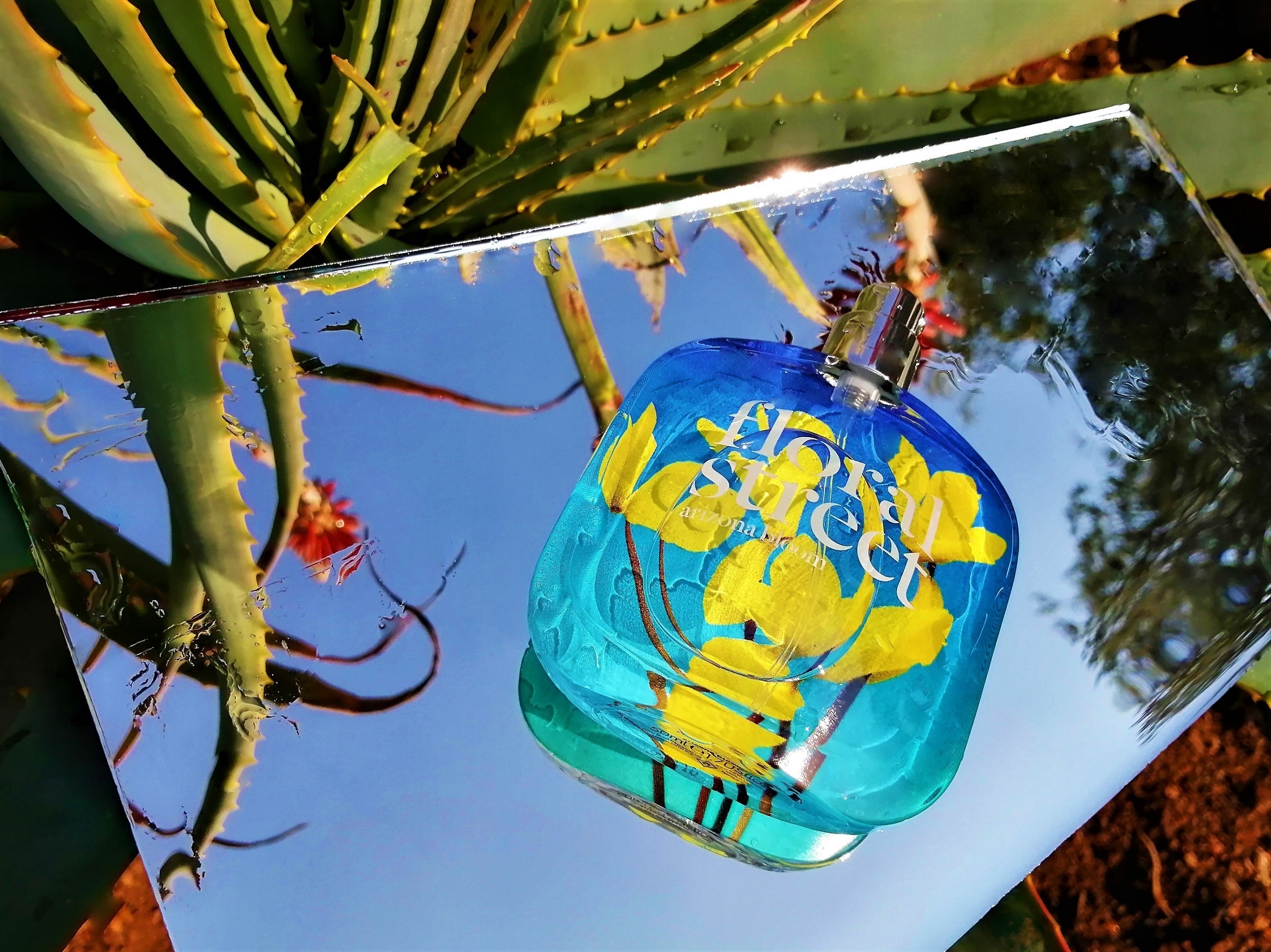
CONGRATS ON YOUR RECENT FRAGRANCE FOUNDATION UK AWARD FOR FLORAL STREET ARIZONA BLOOM (BEST INDEPENDENT FRAGRANCE). WHAT MADE THAT PROJECT DIFFERENT FROM OTHERS?
Every project is different. Michelle Feeney, Floral Street owner, had a specific idea and presented it to me. That close collaboration eased the creating process and we produced a more gender-neutral scent.
WHAT PROJECT HAVE YOU JUST COMPLETED THAT YOU CAN SHARE WITH US?
Byredo Mumabi Noise EDP.
APPARENTLY, YOU CONSIDERED A CAREER IN WINE. IS THAT SOMETHING YOU STILL FIND TIME TO ENJOY?
Yes, every summer I spend time in France testing and collecting wines.
Byredo fragrances are available in South Africa at Skins Cosmetics.
For all its faults, Instagram is an unrivalled way to connect with perfumer lovers and creators around the world. It’s how I first came to know Elise Welraven (pictured, below), founder of One Way Bridge Perfumes.
Image: Courtesy of Elise Welraven.
When we first started following each other, we both shared our love of perfumes and she hadn’t set up her company yet. It was a wonderful surprise when she sent me samples of her launch fragrances. Partly, because the South African postal system is notoriously slow and theft-prone, but mostly because her quality extraits are so rich and unique.
In this interview, Elise describes her creations as “brutal”. At first, I thought that was a strange way to describe them. But having revisited them recently, I know what she means now. They’re unfiltered, unrefined, rough around the edges and highly expressive.
Please refresh my memory: when did we start communicating via IG? I remember your farm home renovation pics from your personal account.
We started following each other on Instagram at the end of 2017. I hadn’t launched One Way Bridge yet and you would have known me on my personal account which no longer exists.
Let’s get the obvious question out of the way: what’s the significance of the name of your company, One Way Bridge?
I wanted to name it something really “Kiwiana”. In New Zealand we are known for our silly one-lane bridges where, of course, only one car can go one way at a time. On a personal level, life should be lived like a one-way bridge: no matter what happens, you need to find a way to keep going forward.
All Other Images: One Way Bridge Perfumes.
Your approach, from the design of the bottles to the names and moods of your fragrances, is refreshingly different. Why does the vintage aesthetic appeal so much to you?
Vintage speaks to my soul. There’s a lot of depth to vintage. The people from back then were so passionate, so intense. That’s how life should be lived, as you can tell from the brutality of my fragrances.
“That’s how life should be lived, as you can tell from the brutality of my fragrances.”
Is your New Zealand background also an important part of your approach?
Very much so. There are so many beautiful native ingredients we have here, which no one else has access to. I feel so privileged to be able to showcase them in my art.
How’s business been since launch? Is it your sole focus?
Business was going amazingly well and then Covid hit. I was able to get my perfumes around the world through travel. Unfortunately, now, that isn’t an option.
NATIVE: One of the ingredients in One Way Bridge Perfumes is totara extract, from the tree endemic to New Zealand.
One Way Bridge has officially become my sole focus. Going in and out of lockdowns has made it hard to keep a job. Seeing as the demand was there for my art, I figured the easiest way to avoid all of that was to work for myself.
Can you keep up with the demand?
It is currently a bit harder to keep up with demand, as the shipping from certain destinations for certain ingredients has been significantly delayed due to Covid. So it has taken longer to produce a batch.
Moving on to the more technical and creative aspects: did you study perfumery, or are you self-taught?
I am completely self-taught, with 16 years of self-learning to get me to where I am today.
I know there are people that disapprove and say you can’t really call yourself a perfumer if you haven’t had formal training. And that’s okay with me. My perfume is my art – straight from my heart and soul. I’ve learned my own style and I like that I can perfume without boundaries.
“My perfume is straight from my heart and soul. I’ve learned my own style and I like that I can perfume without boundaries.”
How would you describe yourself as a perfumer?
This is a hard question. It’s a bit like when you first meet someone and they say, “So tell me about yourself.” If I had to answer that in one word, it would be emotional. I literally bottle my feelings.
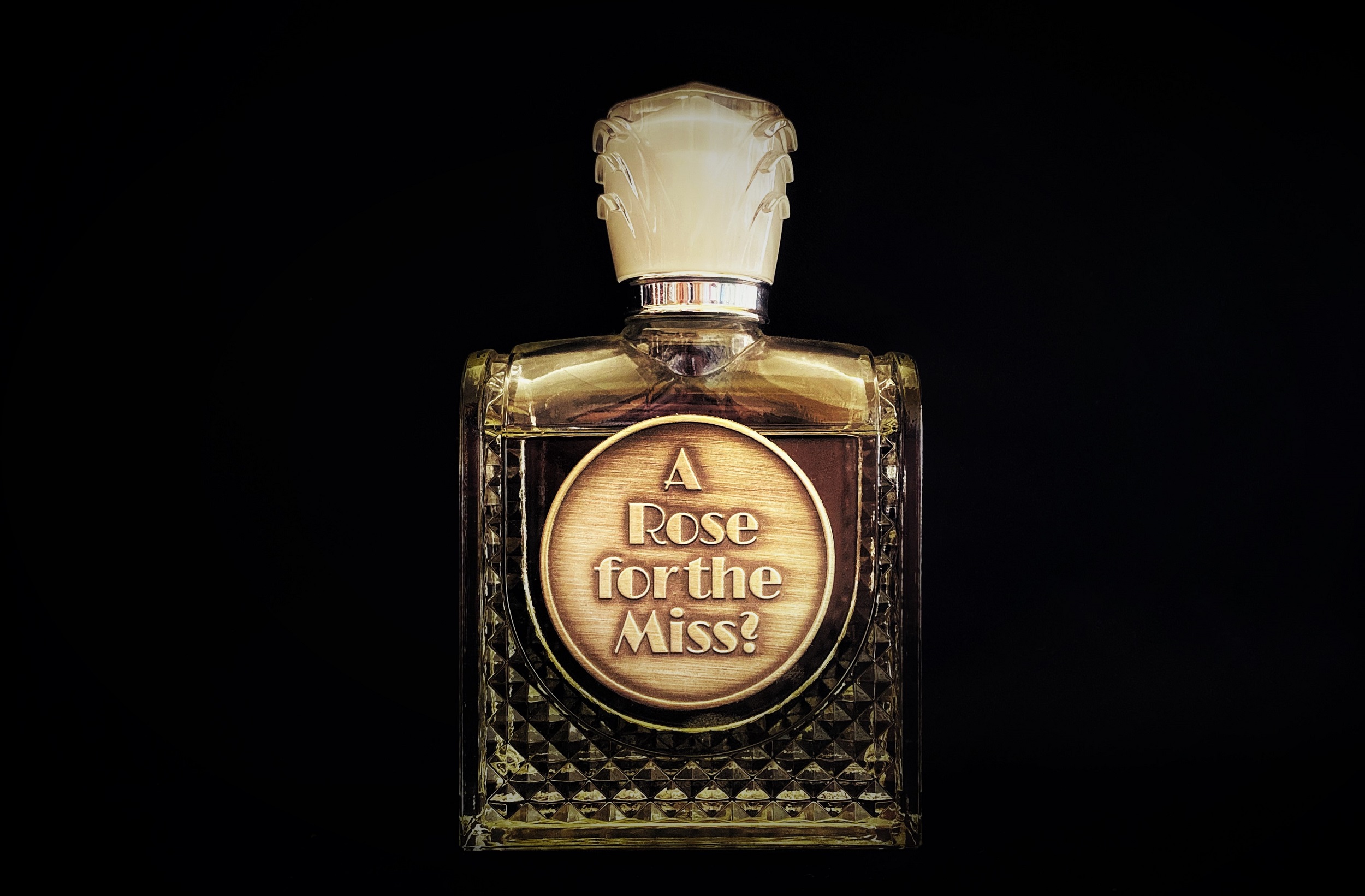
From reading the stories behind the fragrances and wearing them, it seems you’re using quite expensive and/or exotic ingredients (some of them unique to New Zealand, for example Kumerahou, Totara and ambergris)….
I do – I never skimp on ingredients. I don’t care how much it costs me. Once I have inspiration, the piece of art must be created.
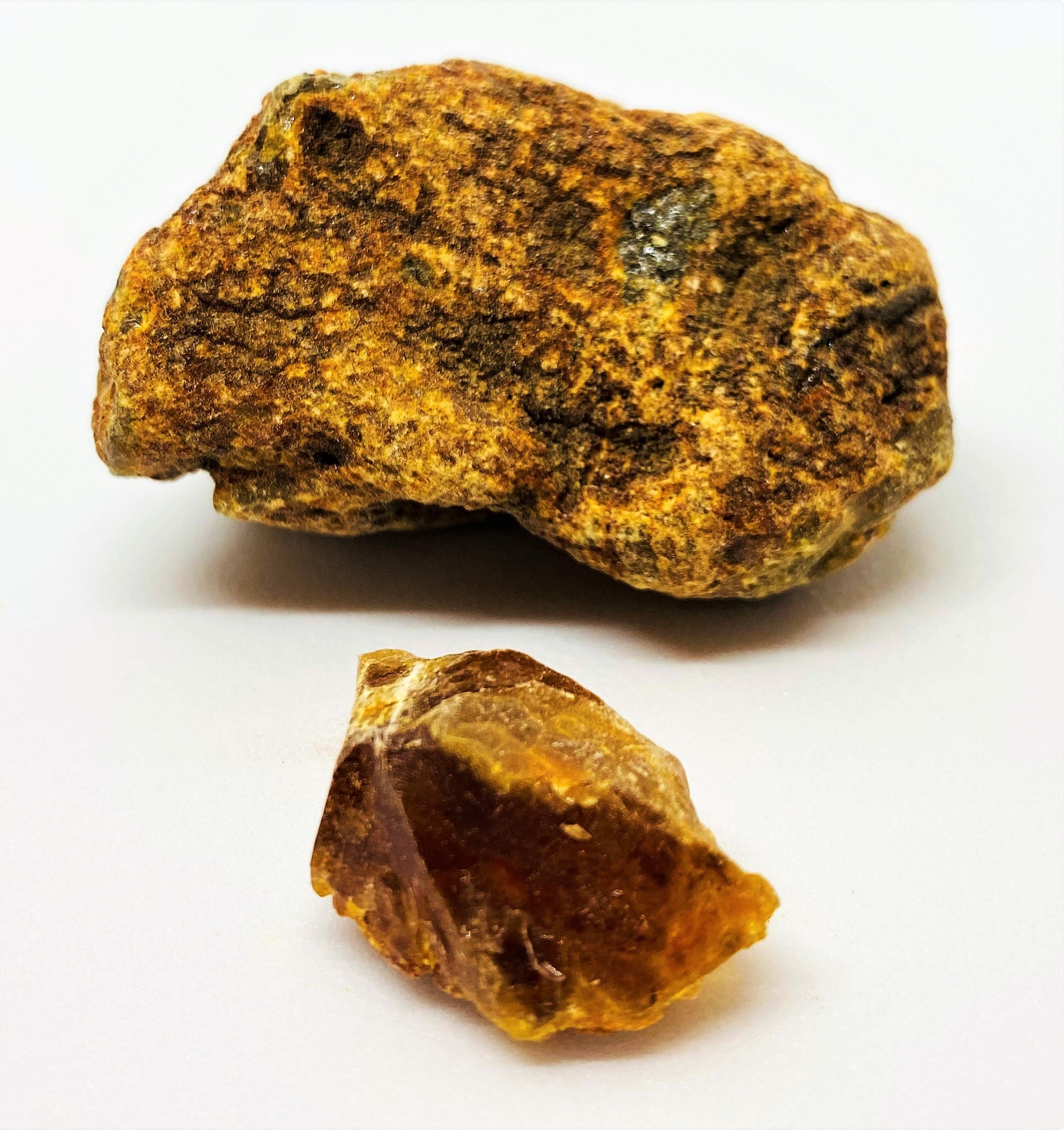
GOLD: Amber kauri resin, one of the precious ingredients used by Elise Welraven.
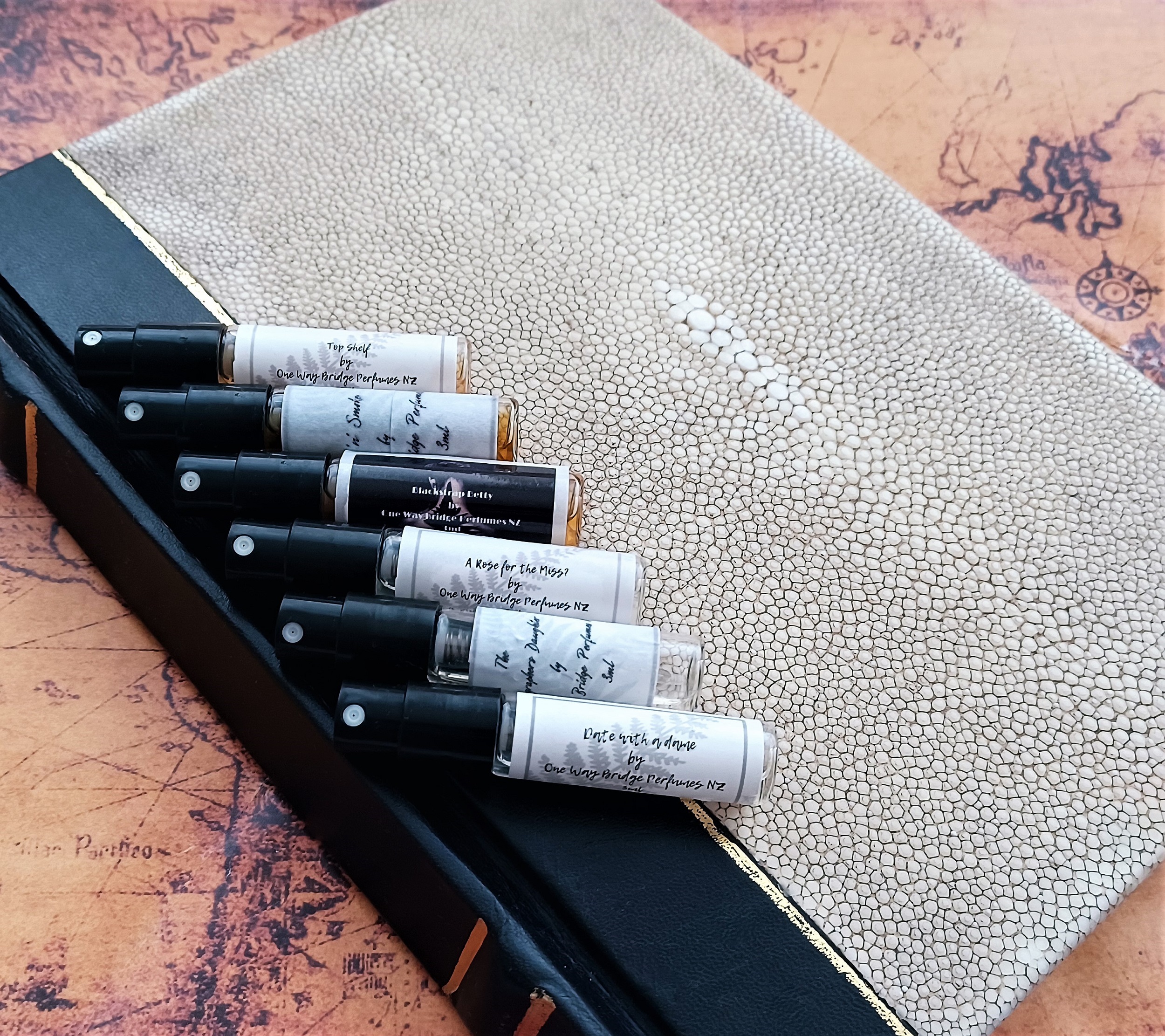
Top Shelf is potent stuff in a very animalic way. It almost has a dirty, urinary aspect to it, and I mean that in a good way…
Top Shelf is my classy cowboy. A hunk with a dirty edge, addictive.
Stout ‘n’ Smoke is superb. How did you go about creating it?
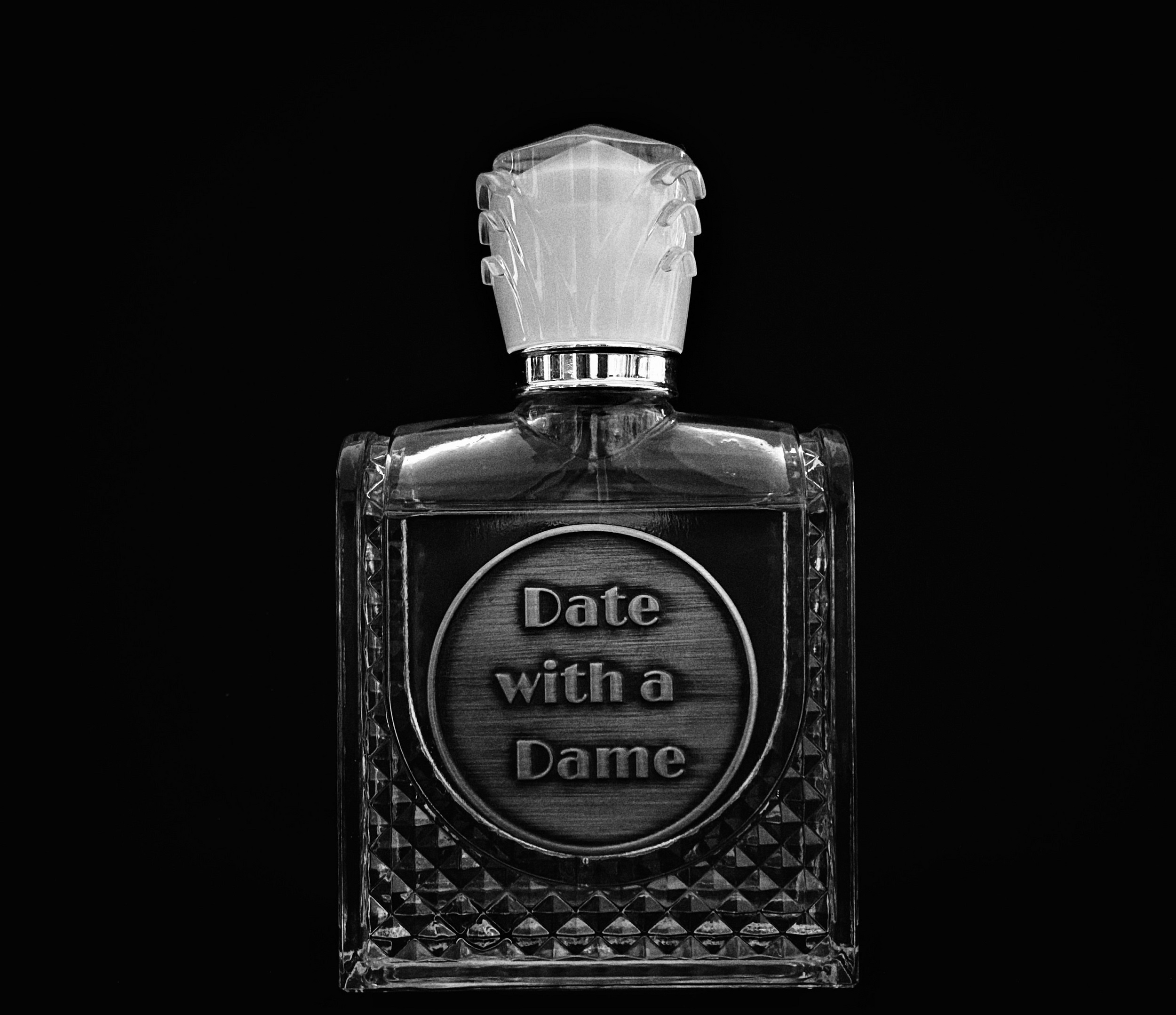
I wanted to bottle a barmaid’s kiss after a shot of whiskey, the patron’s tobacco smoke and her own lipstick. I love whiskey and I wanted to create a boozy scent that wasn’t sweet like all the rest out there.
Does inspiration come easily to you?
I will say yes, because inspiration is based on my feelings, emotions and imagination.
What are you working on now?
I recently launched a new scent called Wildjoy, inspired by the forest on the west coast of New Zealand’s South Island. The notes are kauri and cannabis.
On the day of launch, I also announced something I’ve been working on for two years: a 60ml Solid State Extrait de Parfum eco line. This is created using a base of all-natural New Zealand oils and plant waxes and my fragrance oils. It comes packaged in a 100% recyclable cardboard push-up tube, sealed with a recyclable label. The entire product is waste free, recyclable, kind to skin and convenient for travel. Solid perfumes last longer as they contain no ingredients that evaporate.
It truly is New Zealand goodness at its best and I like to think the way I’ve been able to present it as “eco” or “green beauty” makes it “perfume re-imagined and refashioned”.
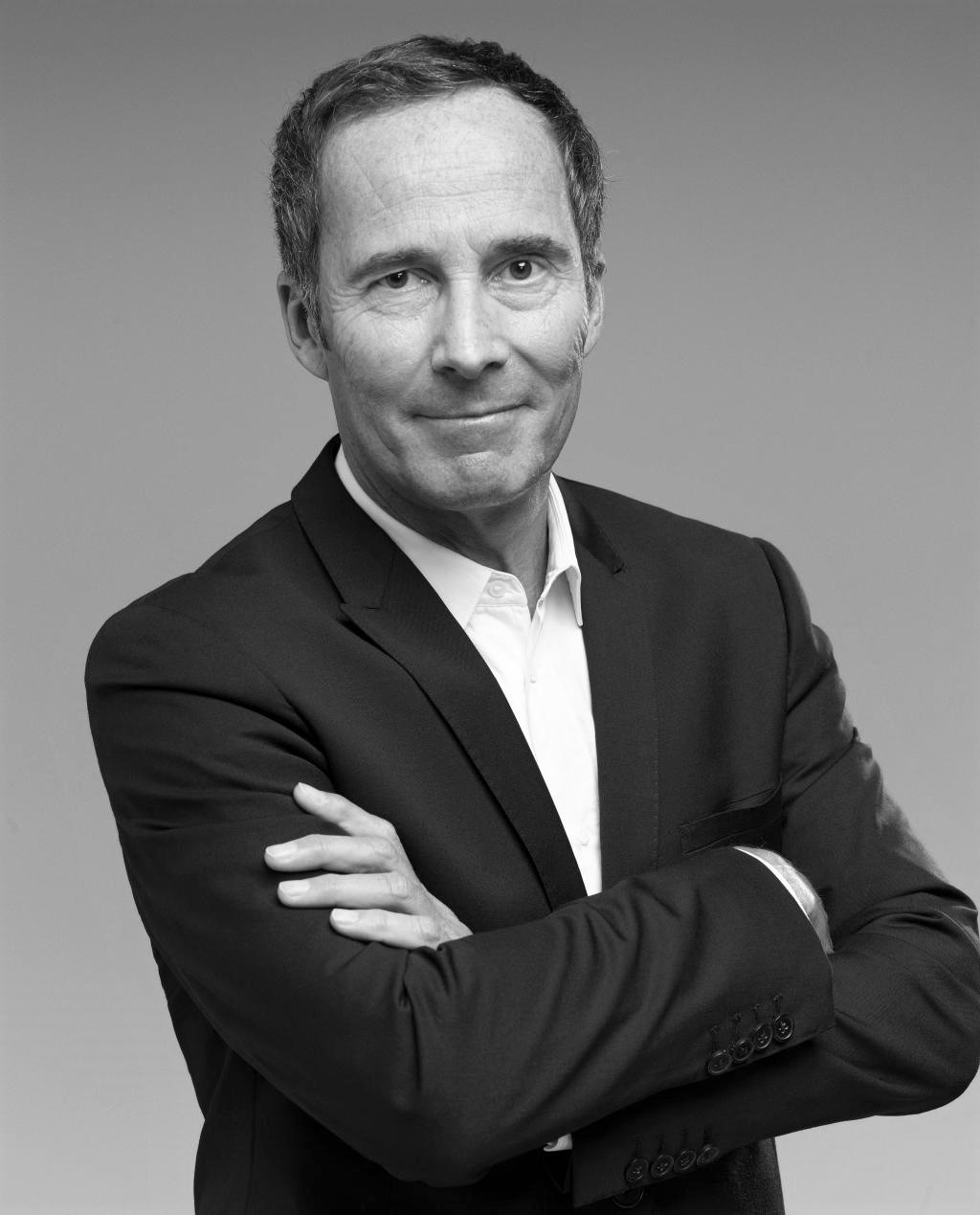
You know you’re a highly regarded perfumer when Frédéric Malle gives you his customary carte blanche to create a fragrance for his eponymous brand. Three times. Only the select few – for example, Jean-Claude Ellena and Dominique Ropion – have been acknowledged this way. But then Bruno Jovanovic is not your average perfumer.
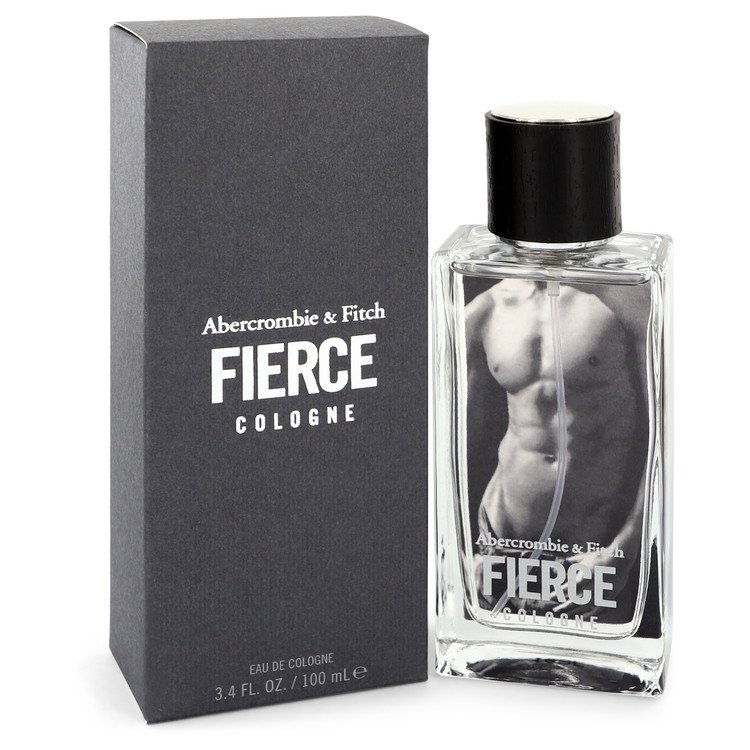
The abundant creative and technical talents of Bruno Jovanovic were nurtured by the industry’s greats as a student and young perfumer. They helped the Parisian make his mark early in his career with the modern classic Abercrombie & Fitch Fierce Cologne (2002). This was followed by other designer, niche and celebrity standouts such as:
Calvin Klein CK IN2U For Her and Him EDT (2007)
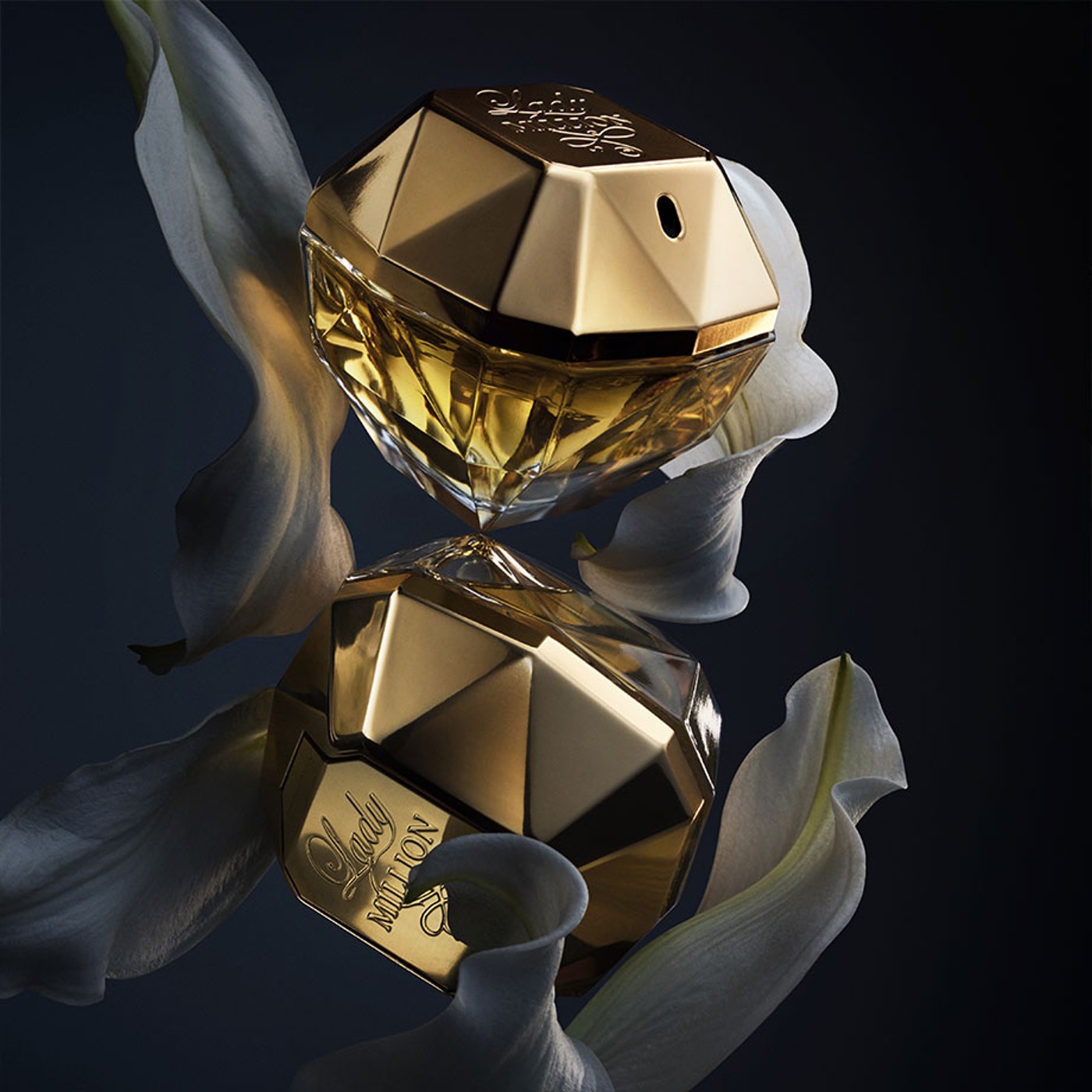
Paco Rabanne Lady Million EDP (2010)
Chopard Mille Miglia EDP (2013)
Sofia Vergara Sofia EDP (2014)
Hugo Boss The Scent EDT (2015)
Masque Milano Times Square EDP (2017)
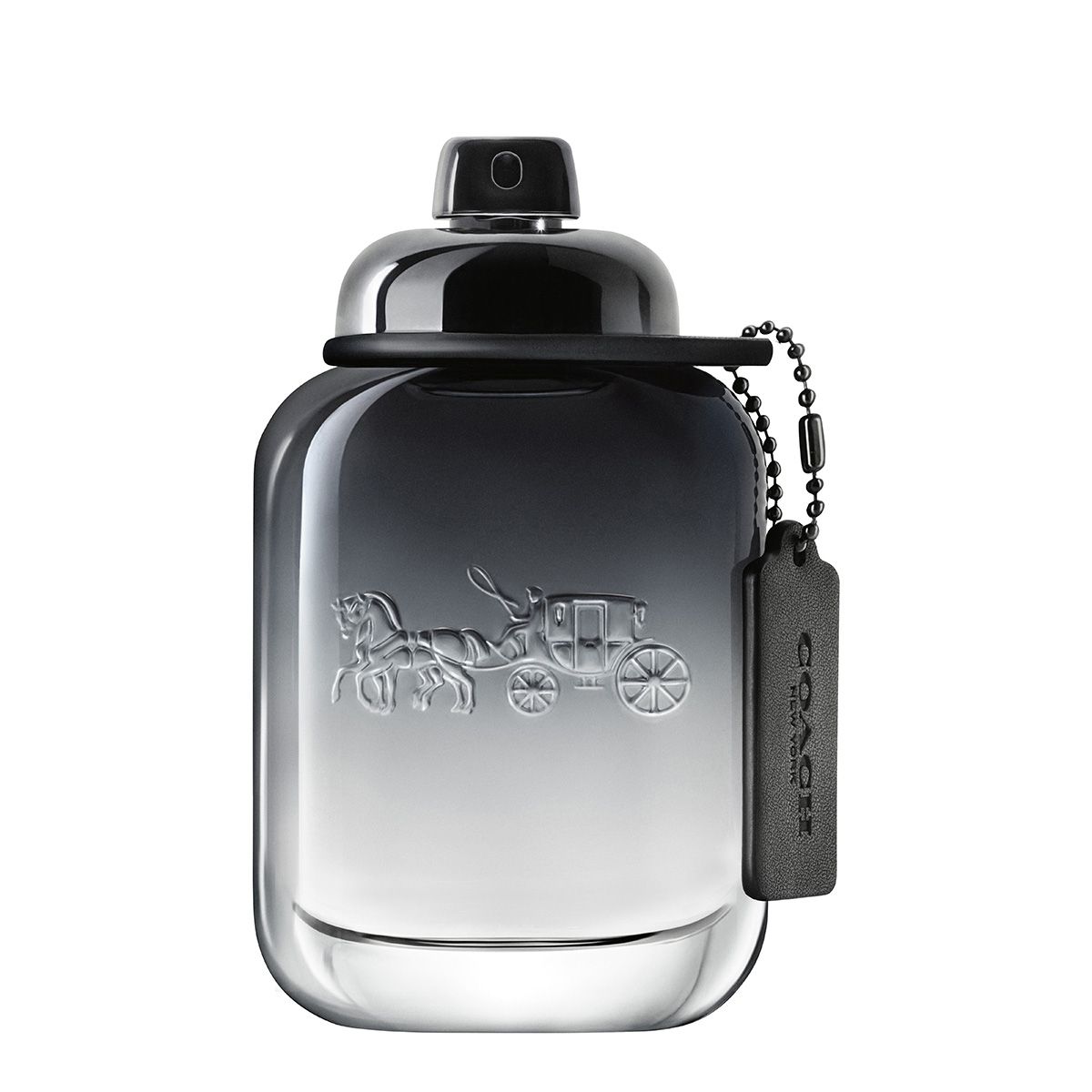
Coach For Men EDT (2017)
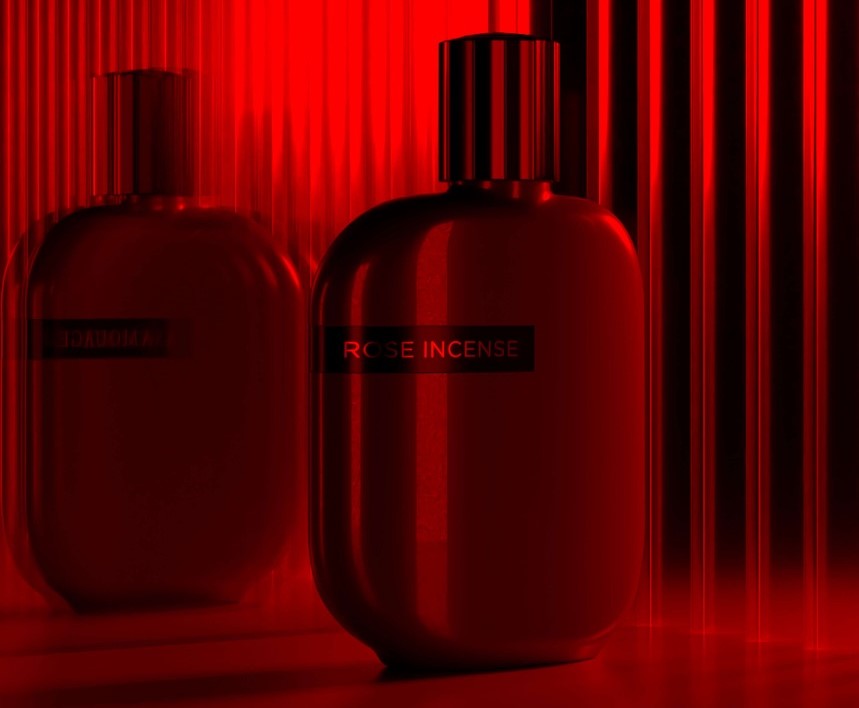
Amouage Rose Incense EDP (2019)
Image: Amouage.
Most recently, he produced Giorgio Armani My Way EDP (2020) and Carolina Herrera Bad Boy Le Parfum EDP (2021).
I caught up with Bruno Jovanovic on the influence of his mother, mentors and marijuana.
What fragrance are you wearing today?
You caught me at work, I don’t wear any fragrance when I am working. It’s too disturbing – my nose needs to stay sharp! When I am not working, I like to wear what I am working on at the moment. It’s critical to wear your fragrances to know how they behave in usage.
Image: Paco Rabanne.
When did you know you wanted to become a perfumer?
I must have been around six years old. I didn’t know what a perfumer was; all I knew was I wanted to create my own perfumes. I had no idea how to get there, but then again, at that age, I knew I had time to figure it out.
My mother has always been a fragrance lover and I guess the little boy wanted to make sure she would never run out of them!
Image: Coach.
Have you ever doubted that decision?
At some point I did. People know how difficult it is to get into the world of fragrances. And my friends didn’t want me to get hurt. So doubts started appearing. But very quickly, I decided I had to try as I couldn’t even bear to think of doing something else. I am glad I did.
Image: Hugo Boss.
Where did you study? Did you have a mentor?
I worked hard to join the ISIPCA (International Higher Institute of Perfume, Cosmetics and Food Aromatics) in Versailles, France. It was a wonderful opportunity to enter that very closed world and to meet lots of perfumers who became mentors.
“It was a wonderful opportunity to enter that very closed world and to meet lots of perfumers who became mentors.” – Bruno Jovanovic
My first mentor was Raymond Chaillan [co-creator of Yves Saint Laurent Opium EDP], a remarkable perfumer and teacher who taught me my first steps as a creator. Then I met Dominique Ropion [Mugler Alien EDP], who was teaching at the school, and Olivier Cresp [Mugler Angel EDP, pictured below], who I was lucky to be able to team with on the elaboration of the school’s end-of-year project.
Image: Firmenich.
When I moved to the US [to work for International Flavors & Fragrances], I was mentored by Sophia Grojsman [Lancôme Trésor EDP] and Carlos Benaïm [Ralph Lauren Polo EDT]. Coming back to Paris, I teamed up with Dominique again and Anne Flipo [YSL Libre EDP, pictured below].
When I look back, I feel blessed to have had the opportunity to work with and learn from all these giants.
What was your debut creation? And how do you feel about it now?
The first real win was in collaboration with Carlos Benaïm and Christophe Laudamiel for Fierce by Abercrombie & Fitch. We were immensely proud of it and lucky to see it become a classic. The three of us are even more proud of it now than back in 2004.
Image: Abercrombie & Fitch.
How would you describe your perfume style and formulas?
I like to work in a quite simple way. My fragrances must have a strong but simple message. The point is not to confuse people with a myriad of ingredients. I like my formulae to be precise and concise. This is the recipe for signature and lasting character.
Image: Frédéric Malle.
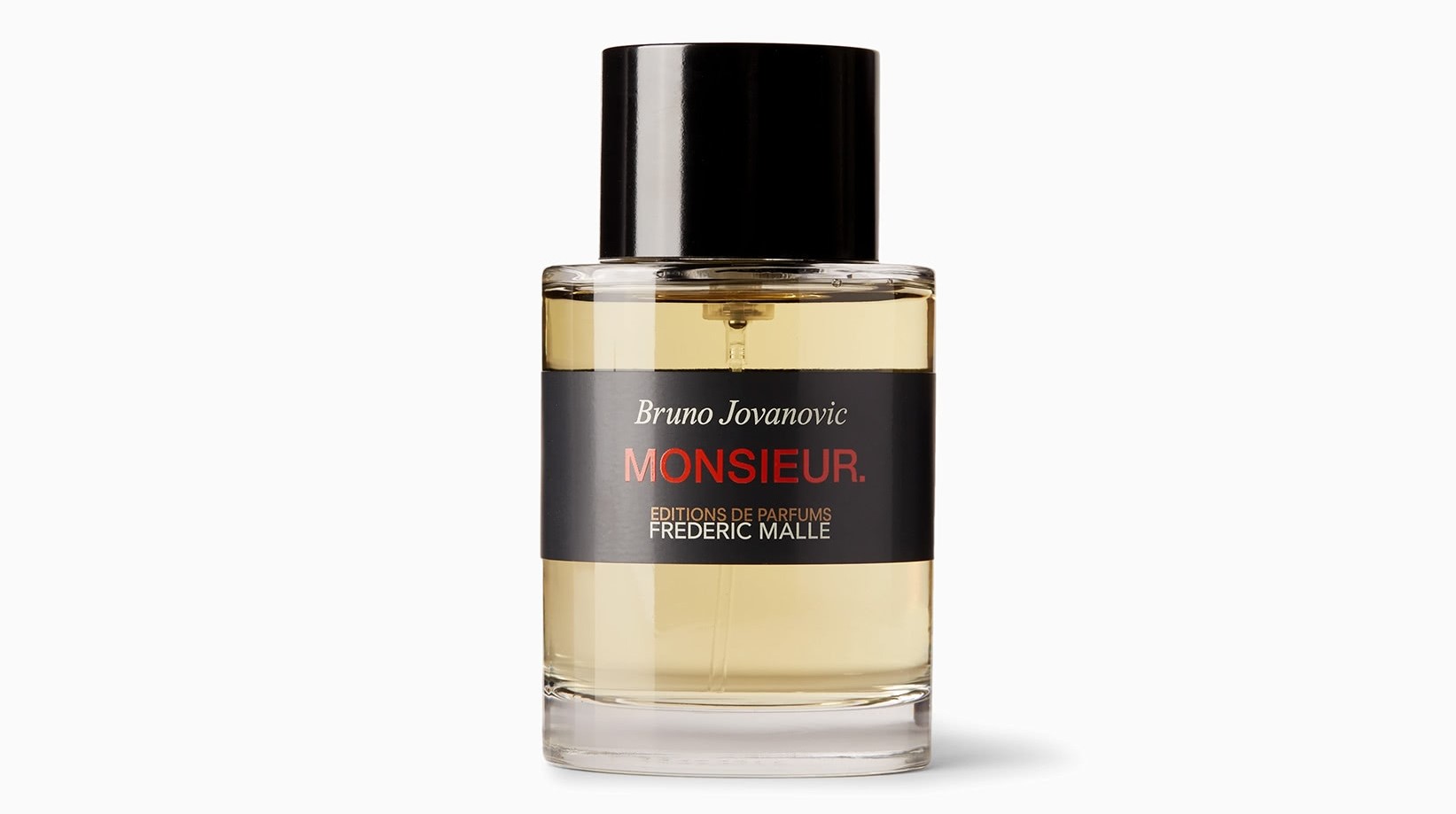
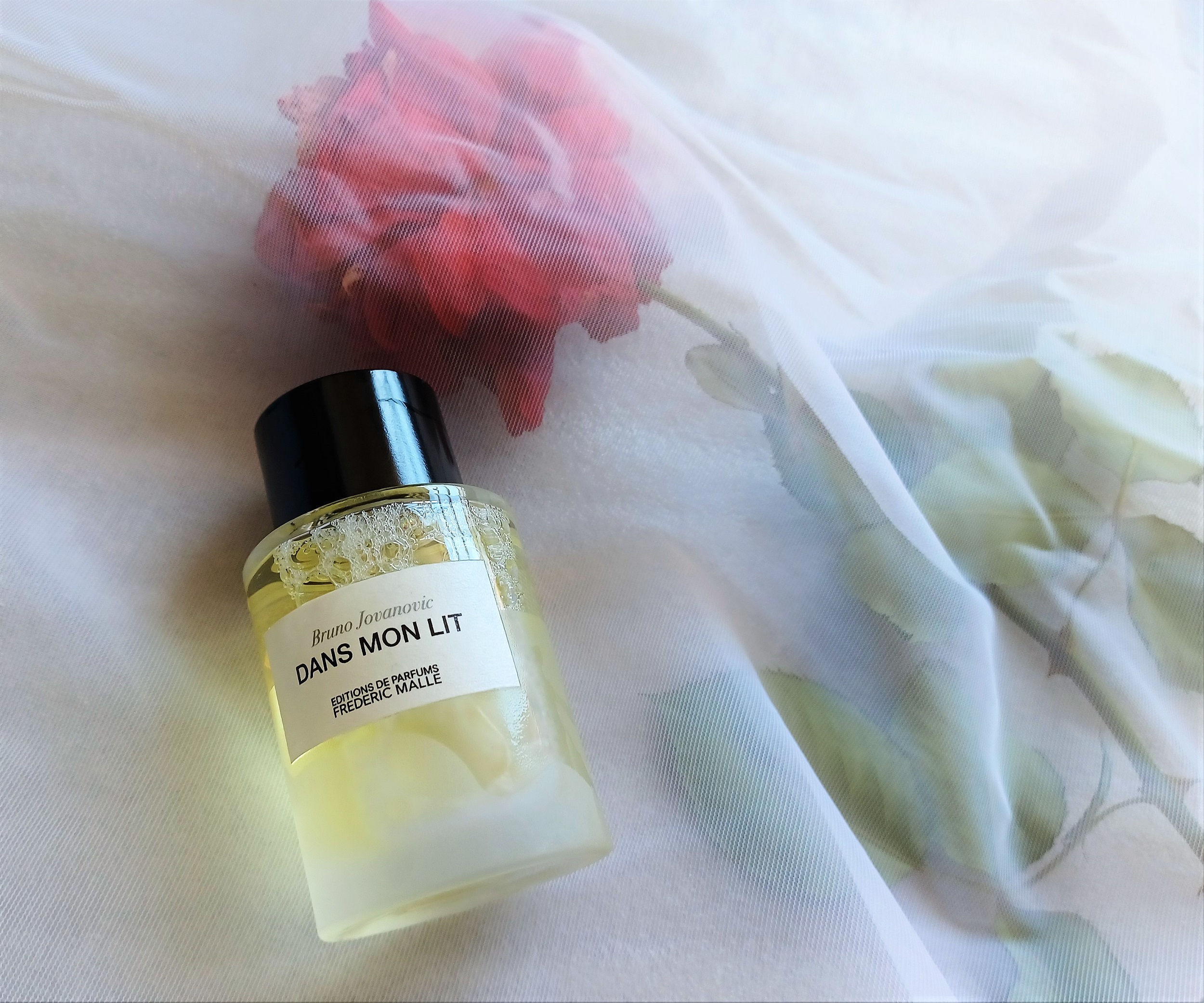
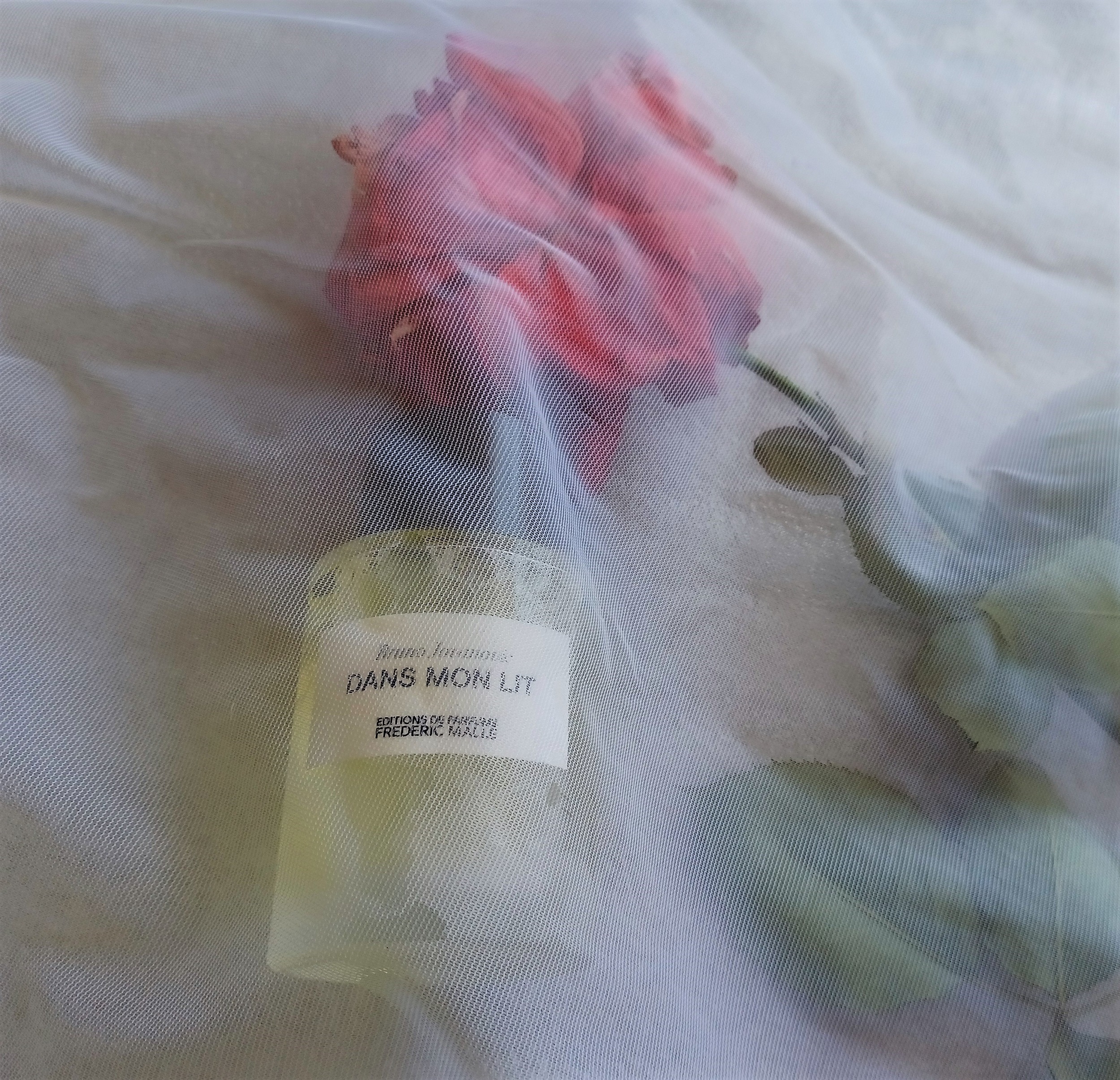
You’ve created three fragrances for Frédéric Malle – Dries Van Noten, Monsieur and Dans Mon Lit. Did these prestigious projects come with added pressure?
Frédéric Malle is all about luxury. He has the deepest understanding of it, and it shows in the way he works. He gives us the luxury to remove all pressure. Developing a fragrance with him is all about taking our time and sharing emotions, thoughts and ideas. It’s all about beauty.
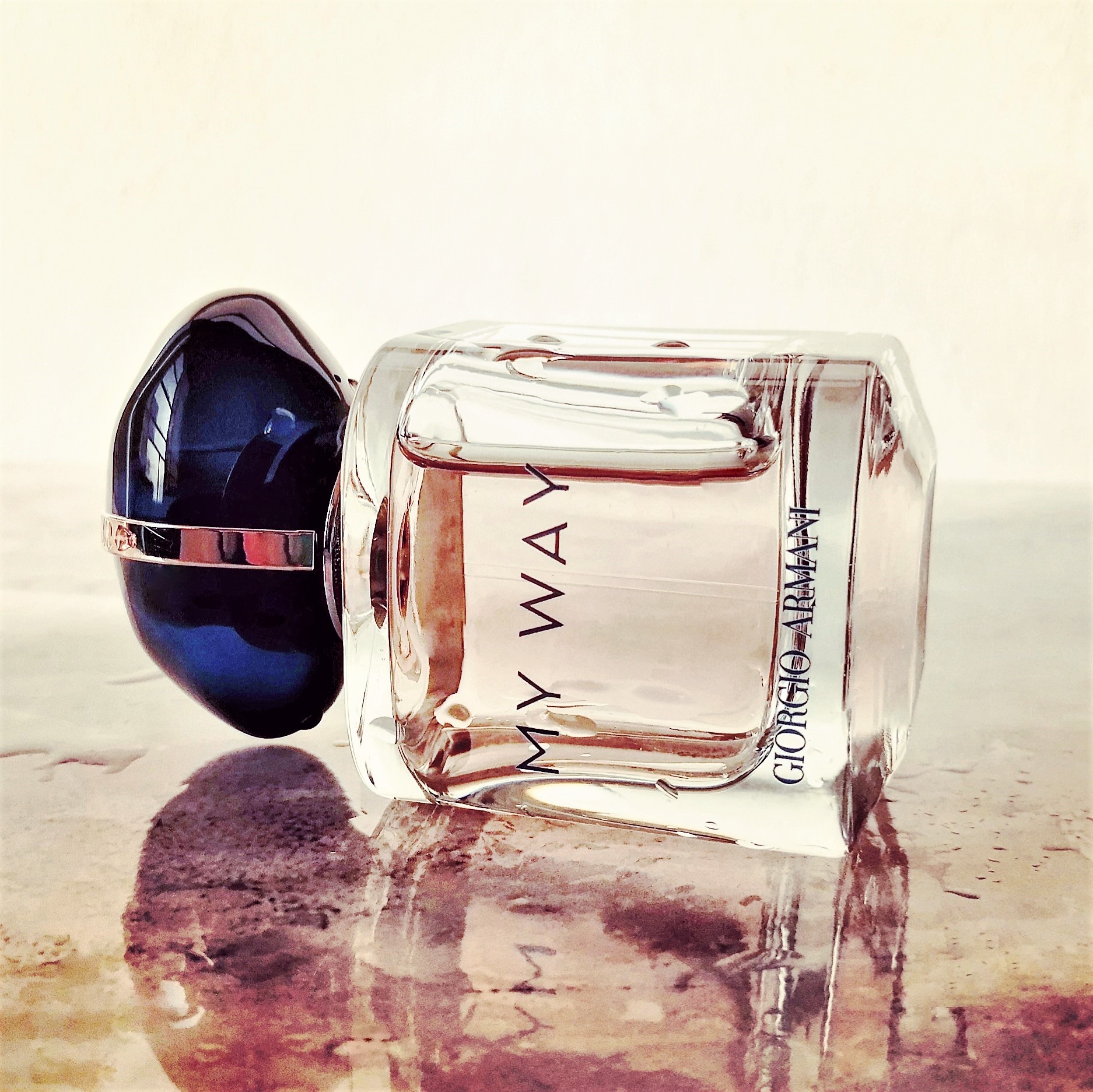
Giorgio Armani My Way was another high-profile co-creation of yours with Carlos Benaïm. Were you given a tight brief, or did you have relative creative freedom?
We were quite free in the development of the fragrance. From the beginning, we wanted a white floral bouquet revolving around tuberose. Once that was accepted by the Armani team, we were given the freedom to try literally thousands of different ideas to wrap the bouquet. This led to thousands of adjustments and modifications over five full years.
Your 2021 co-creation [with Fanny Bal and Nicolas Beaulieu), Carolina Herrera Bad Boy Le Parfum, is notable for its cannabis facet. How did you go about creating it?
I created that fragrance in 2008 but it was deemed too daring back then. I wanted to illustrate the idea of something illicit that could turn “legal” as soon as it became a fragrance. Obviously, the note never contained anything “illegal” but even simply mentioning it was considered too much. It took 12 years to find a brand that would dare going with such a provocative idea.
Image: Carolina Herrera.
Have you ever had big differences with a client about a perfume project and how was that resolved?
Not really. Discussion and communication can fix anything.
Do you ever read reviews of your creations? Do they matter to you?
Sometimes I do because you can always learn. I tend not to pay too much attention, though, because the reviewers don’t know what went on during years of development and that is completely normal.
What are you working on now?
Obviously, I can’t tell as it must remain confidential. But I could tell you that the incredible palette of ingredients at Firmenich is awakening new olfactive obsessions.
Frédéric Malle Dans Mon Lit, Frédéric Malle Monsieur EDP and Frédéric Malle Dries Van Noten EDP are available at Skins Cosmetics.
In the four years since it was founded in 2017 by Michelle Feeney, Floral Street has bagged a number of awards, including The Fragrance Foundation Retailer of the Year 2019.
“We have proven that you can have fine fragrance, beautiful packaging and long-lasting scents all created in a considered way.” – Michelle Feeney
Although a small player in the scheme of things, the company has made a big impact with its vibrant, very British approach to vegan, cruelty-free and sustainably produced fragrances. “We have proven that you can have fine fragrance, beautiful packaging and long-lasting scents all created in a considered way,” Michelle Feeney says.
In this Fragroom interview, she talks about the future of beauty, green-washing and their latest partnership with the Van Gogh Museum.
You launched Floral Street in 2017. What changes were you picking up in the market that signalled you were onto something?
I have been privileged to enjoy an amazing career in fashion and beauty, creating and establishing global brands, including Crème de La Mer and St Tropez.
Described as a “cult brander”, I’ve been able to help build cult brand status or utilise elements to connect with an audience in new ways. I spent seven incredible years on MAC Cosmetics in NYC, establishing the fashion outreach globally, accelerating the story of the MAC AIDS Fund and playing a key role in launching in over 40 countries. It was a whirlwind!
However, at age 51, I decided to take a gap year. I had the idea for my own brand but wanted time-out to decide how I would do it and if, indeed, the world needed any more products. I realised that the fragrance industry hadn’t evolved in the same way as other beauty categories and saw a gap in the market for a sustainable, modern brand that offers fine fragrance at an affordable price.
I decided to return to beauty in November 2017, launching my independent, “clean” brand, accessible to all. From the very beginning I wanted to make Floral Street a beacon for change, for it to have meaning and core values of environmental consideration. I wanted to stimulate the industry to take action, as consumers are now demanding this. We have proven that you can have fine fragrance, beautiful packaging and long-lasting scents all created in a considered way.
Why are vegan fragrances so important to you and how do you define them?
When I am asked, “Why did you produce vegan fragrances”, my answer is, “This is the future of beauty”. This is not a trend; it is an absolute. It is about finding the best way to create fabulous products while lowering the impact on our planet.
“This is the future of beauty. This is not a trend; it is an absolute.” – Michelle Feeney
I am proud we have gained an international accreditation from Peta (People for the Ethical Treatment of Animals) for being a vegan and cruelty-free brand. This means we do not use any animal-derived materials and no animals have been harmed in the creation of our perfumes. It verifies that we do not conduct or commission any animal tests on ingredients or formulations or finished products.
Does it limit your perfumer Jérôme Epinette’screative options in any way?
No, not at all. Jerome (pictured, below) is a master perfumer at Robertet, and we have chosen to partner with them because they are a world leader in sustainable, raw materials.
He has a myriad natural ingredients to choose from, plus the incredible fantasy notes and synthetic accords that are created in the lab. This all makes for the most modern fragrances that are good for you and good for the planet.
IMAGE: floralstreet.com.
Are vegan fragrances the same as natural fragrances?
Natural ingredients are either vegan or they are not. Quite often the world “natural” is misused and some ingredients in fragrances that are regarded as natural can be allergenic.
We do have percentages of natural materials within our vegan Floral Street perfumes but there are also nature-identical ingredients which serve fragrance equally. As a sustainable brand we also use vegan certified oils in our new scented home products.
How can consumers tell if a brand is truly vegan? There must be a lot of brands claiming to be vegan…
As individuals, consumers should delve into the product or the company to ensure they have the correct accreditation and can back up what they say. Some brands do mislead the consumer by using certain words or phrases but as a responsible company we are transparent and open about our practices and certifications.
We educate the consumer and use the globally recognised Peta bunny logo (pictured, below) as we want them to know what they are buying. This makes it clear for our customers, guiding them to make better ethical choices and purchases.
You’re also a sustainable, eco-friendly brand. How do you ensure that’s not greenwashing, from your Covent Garden, London, store to packaging?
Being sustainable is a journey and we face new challenges every day. It’s not just the fragrance that’s involved in being ethical, we consider the whole life cycle and every element that goes into our final products. From the raw materials and how they are processed, to the recyclable packaging and the responsible manufacturing methods and supply chain. From source to scent, we want consumers to know where we come from.
We apply the 5 R’s to every aspect of our business – rethink, reduce, reuse, repurpose, recycle.
WHAT’S IN STORE: Michelle Feeney in front of the Floral Street shop in Covent Garden, London. Image: floralstreet.com.
We reduce use by having a high 20% concentration of oil in our fragrances. Our glass candle and diffuser vessels can be reused, and we offer a perfume refill service in our Covent Garden, London, store.
Our award-winning, biodegradable pulp fragrance box (pictured, below) can be repurposed to store keepsakes or grow seeds or herbs in and being compostable, if it does end up in land fill, it won’t leave any trace on the environment.
IMAGE: floralstreet.com.
All our packaging is widely recyclable, and our paperboard is FSC certified and sourced from responsibly managed forests. We carbon balance via the World Land Trust, and our 2020 certificate confirmed we helped to protect over 6 500m² of critically threatened tropical rainforest.
In addition, we partner with those that share our ethos and principles, including global retailers that lead and champion sustainable ways to shop.
“We also partner with global retailers that lead and champion sustainable ways to shop.” – Michelle Feeney
Floral Street is all about “powered by flowers” and from all your releases so far, you’re bringing a fresh new spin to this genre. Is there a personal reason for your floral focus?
Every time I look at a flower it makes me smile. They are joyful, don’t cost much to grow or admire and are the universal language of beauty. Our sustainable scent creations are a modern way to experience the beauty of flowers.
Also, our flagship is in the heart of Covent Garden, London, where the original Victorian flower market was situated, so this floral inspiration flows throughout our store and our brand.
IMAGE: floralstreet.com.
I read on the website that Floral Street is against the use of sexuality to sell its products. Please tell us more about that.
Having lived through three decades of beauty advertising and having a teenage daughter myself, I just feel that using sex to sell is lazy and outdated. We do not use the word “sex” or “sexy” anywhere in the Floral Street brand. We have established motivational and empowering words to describe our fragrances and individual moods.
“Having lived through three decades of beauty advertising and having a daughter myself, using sex to sell is lazy and outdated.” – Michelle Feeney
We are an inclusive brand, inspiring our customers to choose a perfume based on the way they feel. We have changed the conversation around scent and offer an experience where people identify with “who they will be today”. Our customers should be their own “celebrity” at the centre of their life.
What’s next for Floral Street?
My vision is for Floral Street to become a “clean” lifestyle brand. I strongly believe that by leading by example you empower others and the more successful your business, the more change you can influence. I want to give consumers the opportunity to feel good and make better choices that bring sustainable beauty to their everyday life.
IMAGE: floralstreet.com.
We have just launched our ethical and vegan collections of candles and diffusers, which has taken our eco-credentials and joyful approach into the home. When we were developing them, I realised what we don’t put in is just as important as what we do put in, so we have taken out all harmful elements. This enables the sustainable fine fragrance to shine though so you can “bloom wherever you are”.
Using scent within different spaces can make you feel good and better about life. It’s about self-care and creating the right “mood,” reflecting how you want to feel.
IMAGE: floralstreet.com
Partnerships are also important if you are a small brand. By connecting with others and being part of bigger movements or collaborations, you can tell your story in new and different ways.
As an independent, British brand I was honoured when we were recently chosen as the first fragrance partner of the internationally renowned Van Gogh Museum in Amsterdam, the Netherlands.
This four-year partnership enables us to connect with a diverse audience globally in appreciation of fine art and fine fragrance. Our first launch is Sunflower Pop, inspired by Van Gogh’s famous Sunflowers masterpiece and his citation “If one truly loves nature, one finds beauty everywhere.”